Pediatric Syndactyly Surgery Pune
Get advanced syndactyly correction surgery in Pune with pediatric hand surgeons providing safe separation and functional restoration care.
Overview
Syndactyly is a birth defect where two or more fingers or toes are joined together. This condition occurs when the normal separation of digits doesn’t happen properly during early pregnancy. Syndactyly fingers and syndactyly toes are among the most common hand and foot abnormalities seen in newborns, affecting approximately 1 in 2,000 to 3,000 births.
The condition can range from a simple web of skin connecting the digits to complete fusion involving bones, muscles, and other tissues. While syndactyly may look concerning to parents, it’s important to know that with proper medical care, most children with this condition can achieve excellent function and appearance.
Symptoms
The main syndactyly symptoms are usually visible at birth and include:
- Webbed appearance: The most common sign is skin connecting two or more fingers or toes, creating a web-like appearance
- Partial fusion: Only part of the digits may be joined, typically at the base
- Complete fusion: The entire length of the fingers or toes are connected
- Difficulty with movement: Children may have trouble separating their fingers for grasping or fine motor tasks
- Nail abnormalities: Shared or unusually shaped fingernails or toenails
- Functional challenges: Problems with activities like writing, buttoning clothes, or walking (when toes are affected)
In some cases, syndactyly may be part of a larger syndrome affecting other body parts, which can cause additional symptoms beyond the fused digits.
Causes
Understanding syndactyly causes helps parents know that this condition is not their fault. The primary causes include:
Genetic factors play the main role in syndactyly development. During the 6th to 8th week of pregnancy, fingers and toes normally separate as the baby develops. When this process is disrupted, syndactyly occurs.
- Gene mutations: Changes in specific genes that control limb development can cause digits to remain fused
- Spontaneous occurrence: Many cases happen randomly without any family history
- Inherited patterns: Some families may pass the condition from parent to child
- Developmental interruption: Any disruption in the normal embryonic development process can result in syndactyly
Risk Factors
Several factors may increase the likelihood of a baby being born with syndactyly:
- Family history: Having a parent or sibling with syndactyly increases the risk
- Genetic syndromes: Children with certain inherited conditions have higher rates of syndactyly
- Advanced parental age: Some studies suggest older parents may have a slightly increased risk
- Environmental exposures: Rarely, certain medications or environmental factors during pregnancy may contribute
Diagnosis
Diagnosing syndactyly is typically straightforward since the condition is visible at birth. Healthcare providers use several methods:
- Physical examination is the first step, where doctors can immediately see the fused digits.
- X-rays are crucial for determining whether bones are involved in the fusion, which helps plan treatment.
- Genetic testing may be recommended if doctors suspect the syndactyly is part of a broader syndrome or if there’s a family history of the condition.
Additional imaging studies might be needed to understand the extent of fusion and plan surgical treatment. Early diagnosis is important because timing of treatment can affect outcomes.
Types
Medical professionals classify syndactyly types based on the extent and nature of the fusion:
| Type | Description |
|---|---|
| Simple syndactyly | Fusion involves only skin and soft tissue. |
| Complex syndactyly | Fusion involves bones, nails, and other deep structures. |
| Complete | Digits are fused along their entire length. |
| Incomplete | Only part of the digits are fused. |
| Complicated | Fusion occurs along with abnormal bones or extra digits. |
Understanding the type of syndactyly helps doctors determine the best treatment approach and predict outcomes.
Treatment
Syndactyly treatment focuses on improving both function and appearance. The main treatment is syndactyly surgery, which separates the fused digits.
Surgical timing is crucial and typically occurs between 6 months and 2 years of age, depending on which digits are affected and the child’s overall health. Surgery on the thumb or index finger often happens earlier to preserve important grasping functions.
The surgical procedure involves:
- Carefully separating the fused skin and tissues
- Using skin grafts to cover exposed areas where needed
- Reconstructing bones or tendons in complex cases
- Ensuring proper blood flow and nerve function
Goals of surgery include maximizing hand or foot function, minimizing scarring, and preventing complications like joint stiffness or abnormal growth patterns.
Rehabilitation
Post-surgical rehabilitation plays a vital role in achieving the best outcomes:
- Physical therapy helps restore movement, strength, and coordination in the separated digits.
- Splinting may be used temporarily to maintain proper positioning during healing.
- Occupational therapy is particularly important for children, helping them develop fine motor skills and adapt to daily activities.
Complications
While syndactyly surgery is generally safe and effective, potential complications can include:
- Scarring: May limit movement or affect appearance, though this is usually minimal
- Infection: As with any surgery, there’s a small risk of infection
- Recurrence: Rarely, digits may partially fuse again after surgery
- Nail deformities: If nail beds are involved, nails may grow abnormally
- Growth disturbances: Surgery can sometimes affect bone growth in young children
- Stiffness: Some limitation in movement may persist after surgery
Most complications are minor and can be managed with additional treatment if needed.
Prevention
Most cases of syndactyly cannot be prevented since they result from genetic factors. However, general recommendations for reducing the risk of birth defects include:
- Prenatal care: Regular medical check-ups during pregnancy
- Healthy lifestyle: Avoiding alcohol, tobacco, and unnecessary medications
- Genetic counseling: For families with a history of syndactyly or syndactyly associated syndromes
- Proper nutrition: Taking recommended vitamins and maintaining a healthy diet during pregnancy
Living With Syndactyly
Children and families living with syndactyly can expect to lead full, active lives, especially with appropriate treatment and support.
- Early intervention provides the best possible outcomes for both function and appearance. Many children adapt remarkably well, developing creative ways to perform daily tasks.
- Follow-up care with pediatricians and hand specialists is important to monitor growth and address any issues as the child develops. Most children with syndactyly participate fully in sports, music, and other activities.
Key Takeaways
- Syndactyly is a common birth condition where fingers or toes are fused together, affecting function and appearance
- Syndactyly causes are primarily genetic, occurring during early pregnancy when normal digit separation is disrupted
- Syndactyly symptoms include webbed appearance, difficulty with fine motor tasks, and potential nail abnormalities
- Syndactyly types range from simple skin fusion to complex bone and tissue involvement
- Syndactyly surgery is highly effective when performed at the right time, typically between 6 months and 2 years of age
- Syndactyly treatment focuses on improving function and appearance through surgical separation and rehabilitation
- Most children achieve excellent outcomes and can participate fully in normal activities
- At Sancheti Hospital, our experienced pediatric orthopedic specialists provide comprehensive care for syndactyly, from initial diagnosis through surgery and rehabilitation, ensuring the best possible outcomes for your child
Meet Our Pediatric Orthopedic Specialists
Patient Stories & Experiences
The pain in my left knee left me feeling helpless for years. After my treatment here, I can finally say I'm pain-free.
Vinita Singh
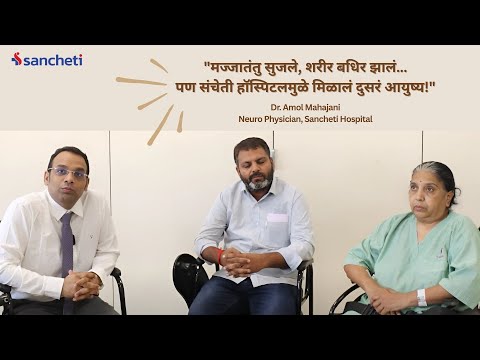
The nerves were swollen, and the body went numb. But thanks to Sancheti Hospital, I got a second life!
Parvati

I finally could walk again, a relief I've only felt after the hip pain surgery. I thank the doctors at Sancheti Hospital for their help.
Balaji Kharat

I'm a police officer, and I'm extremely thankful to Sancheti Hospital for treating my fracture without surgery.
Shantilal

My life has completely changed after the knee replacement surgery at Sancheti Hospital. It's like I can finally live again!
Kalpana Lepcha
The knee pain I've carried for years finally went away with the help of Sancheti Hospital.
Karuna
I can't believe that I get to finally live a normal and happy life, all thanks to the knee surgery I had at Sancheti Hospital.
Kishore Bhosle

Other Conditions
Frequently Asked Questions
Is syndactyly always inherited?
No, syndactyly can occur randomly without any family history, though it may also be inherited in some families.
Can syndactyly be detected before birth?
Sometimes prenatal ultrasounds can identify syndactyly, especially if it’s part of a syndrome, but it’s not always visible before birth.
Will my child need more than one surgery?
Most children require only one surgery, but additional procedures may be needed for complex cases or if complications arise.
Does syndactyly affect intelligence or overall health?
Syndactyly itself doesn’t affect intelligence or general health, though if it’s part of a broader syndrome, other health issues may be present.
What is the outlook for children with syndactyly?
With timely treatment and rehabilitation, most children have excellent outcomes and can participate fully in normal activities, including sports and music.
Home
Patient Login
International patients
Contact Us
Emergency
Download Reports