Congenital Trigger Thumb Treatment & Release Pune
Seek trusted pediatric trigger thumb treatment in Pune with experienced orthopedic surgeons providing safe trigger thumb release procedures and full thumb mobility restoration for children.
Overview
Trigger thumb is a common hand condition in children that causes the thumb to become stuck in a bent position. Also known as congenital trigger thumb or stenosing tenosynovitis, this condition occurs when the thumb’s flexor tendon becomes trapped, preventing smooth movement. In some cases, the condition presents as an ape thumb deformity, where the bent thumb appears fixed and cannot be fully extended.
The thumb is essential for a child’s daily activities, from grasping toys to writing and playing. When a pediatric trigger thumb develops, these simple tasks become challenging, causing frustration for both children and parents.
Unlike adult trigger finger, congenital trigger thumb typically develops without any obvious injury or overuse. It most commonly appears between ages 1 and 3, when children are developing their fine motor skills. With proper recognition and timely trigger thumb treatment, most children achieve complete recovery and return to normal thumb function.
Symptoms of Trigger Thumb in Children
Children with pediatric trigger thumb may display several characteristic signs that parents should watch for:
- Thumb Locked in Bent Position: The most noticeable symptom is a bent thumb stuck in a flexed position at the joint — commonly described as a baby thumb finger bent appearance
- Clicking or Popping Sounds: A distinct noise when attempting to straighten or bend the thumb joint
- Difficulty Extending the Thumb: Children may need to use their other hand to help straighten the affected locked thumb
- Small Bump at Thumb Base: A firm Notta nodule may be felt where the thumb meets the palm — a key clinical sign of congenital trigger thumb
- Morning Stiffness: The thumb may feel particularly stiff after periods of rest or upon waking
- Mild Discomfort: Some children experience tenderness at the base of the thumb, though pain is uncommon in trigger thumb in kids
Parents often notice these symptoms during routine activities like dressing, eating, or playing. Severity can range from occasional catching to complete inability to straighten the thumb.
Causes of Congenital Trigger Thumb
The exact trigger thumb causes remain unclear, but medical experts have identified several contributing factors:
- Anatomical Mismatch: The primary cause appears to be a size mismatch between the flexor pollicis longus tendon and the surrounding A1 pulley — a fibrous tunnel through which the tendon passes. When the tendon becomes too thick for the tunnel, it catches and causes the characteristic locking and restricted thumb movement
- Tendon Thickening: Over time, the tendon or its sheath may thicken, forming a firm nodule that impedes smooth tendon movement through the pulley system
- Developmental Factors: Congenital trigger thumb likely develops as part of normal hand growth rather than from any specific injury or repetitive use
- Genetic Predisposition: Research suggests a hereditary component, as trigger thumb in kids can run in families and has been observed in identical twins
Importantly, children are not born with trigger thumb — it develops during early childhood as the hand structures grow and mature.
Risk Factors for Trigger Thumb in Children
Several factors may increase a child’s likelihood of developing congenital trigger thumb:
- Age Range: Most pediatric trigger thumb cases occur between 1 and 3 years of age, coinciding with active hand development
- Family History: Children with relatives who had trigger thumb in kids may be at a higher risk due to the hereditary component of the condition
- Bilateral Involvement: Approximately 30% of affected children develop trigger thumb in both hands, making early monitoring of the unaffected thumb important
Unlike adult trigger finger, pediatric trigger thumb is not associated with underlying medical conditions such as diabetes or rheumatoid arthritis.
How Congenital Trigger Thumb is Diagnosed
Pediatric orthopedic specialists diagnose trigger thumb through careful clinical examination and medical history review:
Medical History: The doctor will ask about symptom onset, progression, duration of the bent thumb, and any family history of similar conditions.
Physical Examination: Key diagnostic findings include:
- A thumb locked in flexed position — the hallmark sign of congenital trigger thumb
- Presence of a Notta nodule at the thumb base — a firm palpable bump
- Clicking or popping sensation during attempted thumb movement
- Assessment of thumb flexibility, range of motion, and degree of flexion restriction and joint mobility
Imaging Studies: X-rays are rarely necessary for diagnosis unless other conditions are suspected. Ultrasound may occasionally be used to evaluate tendon thickness or rule out other causes if the diagnosis is unclear.
Trigger Thumb Treatment Options
Trigger thumb treatment approaches vary based on the child’s age and symptom severity:
Non-Surgical Management
Many pediatric trigger thumb cases resolve without surgery, especially in younger children:
- Stretching Exercises: Gentle pediatric trigger thumb exercises may help maintain mobility, reduce Notta nodule stiffness, and prevent further locking
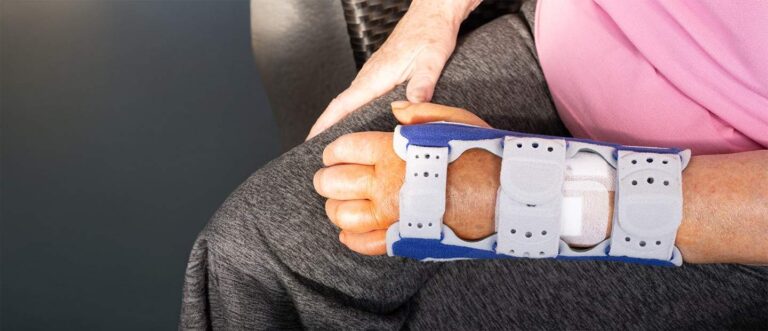
- Splinting: Night-time splinting to keep the bent thumb straight can be beneficial, though evidence for its effectiveness is mixed
- Activity Modification: Avoiding activities that worsen symptoms and gentle thumb massage may provide symptomatic relief
Surgical Treatment
When non-surgical trigger thumb treatment fails or symptoms persist beyond age 2–3 years, trigger thumb surgery may be recommended:
- Trigger Thumb Release Surgery: This minor outpatient procedure involves releasing the constricted A1 pulley, allowing the tendon to glide freely. Performed under local or general anaesthesia depending on the child’s age, the procedure is safe and highly effective and highly effective
- Procedure Details: The surgeon makes a small incision at the base of the thumb and carefully releases the tight pulley. The procedure typically takes 15–30 minutes
- Success Rate: Trigger thumb release surgery has an excellent success rate, with most children experiencing complete resolution of symptoms
Recovery After Trigger Thumb Release
Trigger thumb release recovery is generally smooth and straightforward for most children:
- Immediate Post-operative Care: The thumb is bandaged for protection following congenital trigger thumb release, and parents receive clear instructions for wound care and activity limitations
- Range-of-Motion Exercises: Gentle range-of-motion exercises begin shortly after surgery to progressively restore full thumb flexibility and prevent stiffness
- Pain Management: Most children experience minimal discomfort following trigger thumb surgery, manageable with over-the-counter pain relievers if needed
- Follow-up Visits: Regular check-ups with the pediatric orthopedic specialist ensure proper healing and confirm return of full thumb function
- Activity Progression: Children typically return to normal activities within 2–3 weeks, with full recovery expected within 4–6 weeks of the procedure
Hand therapy is rarely required, as most children naturally regain full thumb mobility through normal play and daily activities.
Possible Complications of Trigger Thumb Surgery
Congenital trigger thumb is generally a benign condition, and trigger thumb surgery is considered very safe. However, potential complications may include:
- Surgical Complications: While rare, risks associated with trigger thumb release include infection, incomplete release requiring repeat surgery, and temporary scar sensitivity
- Persistent Stiffness: Uncommon, but some children may experience ongoing thumb stiffness requiring additional hand therapy or exercises or therapy
- Recurrence: Very rare after successful surgical release, affecting less than 5% of cases
- Scar Formation: The surgical scar may be tender initially but typically becomes barely noticeable over time
Most complications are minor and resolve with appropriate care and time.
Can Trigger Thumb Be Prevented?
Since trigger thumb causes are not fully understood, specific prevention strategies are limited. However, the following general measures may help reduce risk and support early detection:
- Gentle Hand Use: Encourage children to use their hands gently and avoid excessive gripping force that may aggravate thumb joint structures
- Activity Breaks: For older children engaged in repetitive hand activities, regular breaks may help reduce strain on the thumb joints and tendons
- Early Recognition: Parents should monitor for early signs of a bent thumb, locked thumb, or baby thumb finger bent appearance and seek prompt medical evaluation if congenital trigger thumb is suspected
Living With Trigger Thumb in Children
Most children with pediatric trigger thumb can maintain normal, active lifestyles with the right support and care:
- Daily Activities: Simple accommodations may be needed initially, but most children adapt well to temporary limitations caused by a bent thumb or locked thumb
- Sports and Play: With appropriate trigger thumb treatment, children can fully participate in all age-appropriate physical activities and regain complete hand function
- Long-term Outlook: With proper care — whether through conservative management or trigger thumb release surgery — the vast majority of children achieve complete recovery without any lasting effects
Key Takeaways
- Congenital trigger thumb is a common pediatric hand condition causing the thumb to lock in a bent position due to a mismatch between the flexor tendon and A1 pulley — also referred to as ape thumb deformity in some presentations
- Early symptoms include thumb locking, clicking sounds, and difficulty straightening the affected thumb — parents should seek evaluation promptly if these signs appear
- Many trigger thumb in kids cases resolve naturally in children under 2 years, while older children or persistent cases may require surgical intervention
- Trigger thumb release surgery is highly successful with excellent outcomes and minimal complications, making it a safe and reliable option when conservative trigger thumb treatment is insufficient
- Complete recovery is expected in most cases, with children returning to full thumb mobility and function after the release procedure
- At Sancheti Hospital, our experienced pediatric orthopedic specialists provide comprehensive trigger thumb care — offering both conservative care and advanced surgical techniques when needed — ensuring the best outcomes for every child
Meet Our Pediatric Orthopedic Specialists
Patient Stories & Experiences
Real stories from real patients — see why thousands trust Sancheti Hospital, Pune for orthopaedic care, knee replacement & spine surgery.

The pain in my left knee left me feeling helpless for years. After my treatment here, I can finally say I'm pain-free.
Vinita Singh

The nerves were swollen, and the body went numb. But thanks to Sancheti Hospital, I got a second life!
Parvati

I finally could walk again, a relief I've only felt after the hip pain surgery. I thank the doctors at Sancheti Hospital for their help.
Balaji Kharat

I'm a police officer, and I'm extremely thankful to Sancheti Hospital for treating my fracture without surgery.
Shantilal

My life has completely changed after the knee replacement surgery at Sancheti Hospital. It's like I can finally live again!
Kalpana Lepcha

The knee pain I've carried for years finally went away with the help of Sancheti Hospital.
Karuna

I can't believe that I get to finally live a normal and happy life, all thanks to the knee surgery I had at Sancheti Hospital.
Kishore Bhosle
Other Conditions
Frequently Asked Questions
What causes trigger thumb in children?
Trigger thumb causes include a mismatch between the thumb tendon and its surrounding pulley, leading to tendon thickening. Unlike in adults, it’s not caused by injury or overuse in children.
Will my child outgrow trigger thumb?
Many children, especially those under age 2, may experience natural resolution. However, if symptoms persist beyond age 2-3, medical treatment may be necessary.
Is trigger thumb surgery safe for children?
Yes, trigger thumb release surgery is very safe with high success rates and low complication risks. Most children recover quickly and regain full thumb movement.
How long is trigger thumb release recovery?
Trigger thumb release recovery typically takes 2-3 weeks for return to normal activities, with complete healing within 4-6 weeks.
Can trigger thumb return after treatment?
Recurrence is extremely rare after successful surgical release, affecting less than 5% of cases. Most children never experience a return of symptoms.
Home
Patient Login
International patients
Contact Us
Emergency
Download Reports