Knock Knees Treatment & Genu Valgum Correction Pune
Seek trusted knock knees treatment in Pune with experienced pediatric orthopedic surgeons providing precise alignment correction and advanced growth correction procedures for children.
Overview
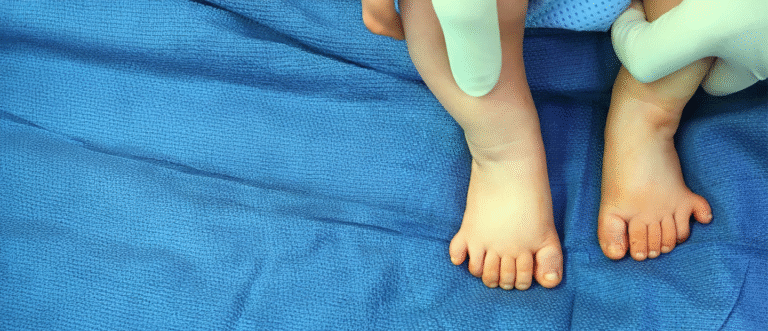
Knock knees, medically known as genu valgum, is a condition where the knees angle inward and touch each other when the legs are straightened, while the feet remain apart. This alignment issue is very common in children and typically becomes noticeable when a child begins walking. Normal knock knees develop naturally in most children as part of healthy growth and usually self-correct by age 7 to 8 years.
However, when knock knee syndrome persists beyond this age or becomes severe, it may indicate underlying medical issues requiring professional evaluation. Understanding the difference between normal developmental changes and problematic knocked knees helps parents monitor their child’s growth effectively and seek timely knock knees treatment when needed.
Symptoms
The most recognisable sign of knock knee syndrome is the visible inward angling of the knees when standing or walking. Parents may observe several key indicators:
- Knees touching or knocking together while standing or walking
- Feet remaining spaced apart, sometimes with difficulty keeping them flat on the ground
- Uneven walking pattern or altered gait due to knock knee misalignment
- Possible discomfort or pain around the knees, especially after physical activity
- Difficulty running or participating in sports in severe knock knees cases
It is important to note that most children with this condition do not experience pain or significant functional limitations. Knock knees symptoms are primarily cosmetic during early years and rarely cause discomfort in young children.
Common Causes of Knock Knees in Children
Understanding knock knees causes helps parents identify whether their child’s condition is normal or requires medical attention. Several factors can contribute to genu valgum:
- Natural Development: The most common cause is physiological growth patterns in toddlers and young children. This represents normal knock knees development and typically resolves naturally without treatment
- Genetic Factors: Family history may play a role, with some children being more predisposed to knock knee syndrome due to inherited skeletal characteristics
- Nutritional Deficiencies: Lack of vitamin D or calcium can lead to rickets knock knees, affecting bone development and causing abnormal knee alignment
- Medical Conditions: Bone disorders such as Blount’s disease, which affects the growth plates of the tibia, can cause abnormal genu valgum angulation
- Injuries or Infections: Trauma or infections affecting the growth plates can result in altered bone growth patterns leading to abnormal leg alignment
- Other Conditions: Arthritis or joint diseases, though rare in children, can contribute to knock knee syndrome in older individuals
Risk Factors
Several factors increase the likelihood of developing persistent or problematic knock knees:
- Age: Knock knees are most common in children aged 2 to 6 years as part of normal knock knees development; persistence beyond this range warrants evaluation
- Nutritional Deficiencies: A poor diet lacking adequate vitamin D and calcium increases the risk of nutritional bone disorders and abnormal leg alignment
- Obesity: Excess body weight puts additional stress on growing bones and knee joints, worsening genu valgum
- Family History: Genetic factors may predispose children to knock knee syndrome or persistent alignment issues
- Underlying Medical Conditions: Metabolic bone diseases, skeletal abnormalities, or conditions affecting growth plates can contribute to knock knees in children
How Knock Knees Are Diagnosed
Diagnosing knock knee syndrome is primarily clinical and involves several assessment steps:
- Physical Examination: Pediatric orthopedic specialists observe knee alignment while the child stands and walks, measuring the inter-malleolar distance — the space between the ankles when the knees touch — and assessing leg length and joint mobility for signs of genu valgum
- Medical History Evaluation: Family history, nutritional status, and any history of trauma or underlying medical conditions are reviewed to identify knock knees causes. If the condition is severe, asymmetrical, or persists beyond the expected age, imaging studies such as X-rays may be ordered to rule out bone abnormalities, rickets knock knees, or Blount’s disease
Types
Understanding the different types of knock knees helps classify the condition and guide appropriate knock knees treatment:
- Physiological Knock Knees: Represents normal knock knees developmental variation in young children. This type of genu valgum usually self-corrects naturally without any medical intervention
- Pathological Knock Knees: Results from underlying conditions such as rickets knock knees, Blount’s disease, or skeletal disorders. This type requires prompt medical evaluation and treatment
- Post-traumatic Knock Knees: Occurs as a result of injury or infection affecting the bone growth plates, leading to altered knee alignment and development
Knock Knees Treatment Options
Knock knees treatment varies depending on the underlying cause, severity, and age of the child. Can knock knees be corrected? Yes — with the right approach, most cases respond well to treatment:
- Observation: Most children with normal knock knees or physiological genu valgum require only regular monitoring, as the condition typically resolves naturally without active intervention
- Nutritional Support: When deficiencies are identified, vitamin D and calcium supplements may be recommended to address nutritional deficiencies and support healthy bone development
- Orthotic Devices: Special shoes or braces may be prescribed to improve knee alignment and support proper genu valgum correction during growth
- Physical Therapy: Targeted exercises help strengthen muscles around the knees help strengthen muscles around the knees and improve gait patterns
- Surgical Intervention: Reserved for severe or pathological knock knee syndrome cases, particularly when associated with bone deformities. Options include guided growth surgery or osteotomy procedures to restore proper alignment
Rehabilitation After Knock Knee Correction
When rehabilitation is necessary following knock knees treatment, it focuses on optimising function and restoring normal activity:
Strengthening exercises targeting the thigh and hip muscles help support proper knee alignment and prevent recurrence of genu valgum. Gait training improves walking patterns disrupted by knock knee syndrome, while pain management addresses any residual discomfort. Temporary use of assistive devices such as braces or orthotics may be recommended during recovery.
Rehabilitation supports long-term recovery and helps children maintain mobility, independence, and confidence throughout their development.
Complications
If left untreated, especially in pathological knock knee syndrome cases, genu valgum can lead to several long-term complications:
- Chronic Knee Pain: Persistent discomfort around the knee joints due to abnormal load distribution from untreated knocked knees
- Abnormal Gait Patterns: Difficulty with walking or running caused by progressive knock knee misalignment affecting the entire lower limb
- Increased Joint Problems: Higher risk of osteoarthritis later in life due to uneven joint wear resulting from uncorrected genu valgum
- Psychosocial Impact: Children may develop self-esteem issues or social challenges due to the visible appearance or functional limitations of severe knock knees
Timely knock knees treatment significantly reduces the risk of these complications and supports healthy long-term joint function.
How to Prevent Knock Knees
While physiological knock knees cannot be prevented as they are a normal part of childhood growth, certain measures can reduce the risk of pathological genu valgum developing. Understanding how to prevent knock knees involves:
- Adequate Nutrition: Ensuring sufficient intake of vitamin D and calcium supports healthy bone development and helps prevent nutritionally-related knee alignment issues
- Healthy Weight Management: Maintaining a healthy weight reduces excess stress on growing bones and knee joints, lowering the risk of knock knee syndrome worsening
- Early Medical Evaluation: Prompt assessment of any abnormal gait, persistent knee deformity, or bone infections is crucial to preventing progressive knocked knees and long-term complications
Living With Knock Knees (Genu Valgum)
Knock knees in toddlers and older children often resolve naturally without active intervention. Parents can support their child by regularly monitoring knee alignment and walking patterns for any signs of worsening knock knee syndrome. Encouraging physical activity that promotes strength and coordination is beneficial, while seeking medical advice from a knock knee doctor if the condition persists, worsens, or causes pain is important.
Providing emotional support helps children cope with any self-image concerns related to knocked knees. With appropriate knock knees treatment and ongoing monitoring, children with genu valgum can lead fully active, healthy lives without significant limitations.
Key Takeaways
- Knock knees (genu valgum) is a common childhood condition where knees touch while feet remain apart, typically resolving naturally by age 7–8 as part of normal childhood development
- Most cases are part of normal growth and require only observation, though persistent knock knee syndrome or severe cases may indicate underlying medical conditions
- Diagnosis is primarily clinical, with imaging studies reserved for severe, asymmetrical, or atypical knocked knees cases
- Knock knees treatment ranges from observation and nutritional support to physical therapy and, in severe cases, guided growth surgery or osteotomy
- Proper nutrition, healthy weight maintenance, and regular monitoring help prevent nutritional bone disorders and reduce the risk of complications
- Early intervention prevents long-term problems such as chronic knee pain and joint issues — addressing how to cure knock knees before complications arise is always the better approach
For parents concerned about their child’s knee alignment or looking for a knock knee doctor, Sancheti Hospital offers comprehensive pediatric orthopedic care with experienced specialists providing accurate diagnosis, personalised knock knees treatment for child cases, and ongoing support for children with genu valgum and other musculoskeletal conditions.
Meet Our Pediatric Orthopedic Specialists
Patient Stories & Experiences
Real stories from real patients — see why thousands trust Sancheti Hospital, Pune for orthopaedic care, knee replacement & spine surgery.

The pain in my left knee left me feeling helpless for years. After my treatment here, I can finally say I'm pain-free.
Vinita Singh
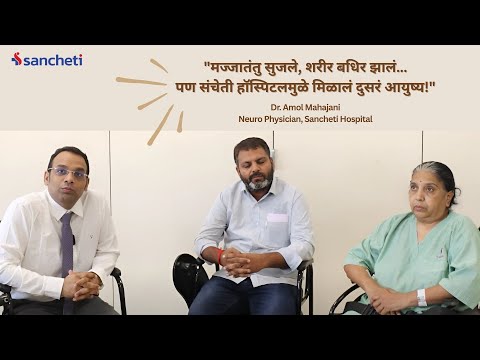
The nerves were swollen, and the body went numb. But thanks to Sancheti Hospital, I got a second life!
Parvati

I finally could walk again, a relief I've only felt after the hip pain surgery. I thank the doctors at Sancheti Hospital for their help.
Balaji Kharat

I'm a police officer, and I'm extremely thankful to Sancheti Hospital for treating my fracture without surgery.
Shantilal

My life has completely changed after the knee replacement surgery at Sancheti Hospital. It's like I can finally live again!
Kalpana Lepcha
The knee pain I've carried for years finally went away with the help of Sancheti Hospital.
Karuna
I can't believe that I get to finally live a normal and happy life, all thanks to the knee surgery I had at Sancheti Hospital.
Kishore Bhosle
Other Conditions
Frequently Asked Questions
When should I be concerned about my child's knock knees?
Consult a pediatrician if the condition persists beyond age 7-8, worsens over time, causes pain, or is associated with limping or difficulty walking.
Can knock knees cause long-term problems?
If untreated in pathological cases, this condition can lead to knee pain, abnormal gait, and increased risk of arthritis in adulthood.
Is surgery always necessary for knock knees?
No. Most cases resolve naturally or improve with conservative measures. Surgery is reserved for severe or pathological deformities.
How can I help my child at home?
Encourage physical activity, ensure a balanced diet rich in vitamin D and calcium, and attend regular check-ups to monitor knee alignment.
Are knock knees hereditary?
Genetics can play a role, but most cases are due to normal growth patterns or environmental factors rather than hereditary conditions.
Home
Patient Login
International patients
Contact Us
Emergency
Download Reports