Arthrogryposis

Pediatric Arthrogryposis Care Pune

Get expert arthrogryposis treatment in Pune with pediatric specialists providing muscle release, joint correction, and long-term rehabilitation care.

Overview

Arthrogryposis multiplex congenita (AMC) is a rare condition. This condition is characterized by joint contractures that are present at birth, limiting the normal range of motion in affected joints. Unlike progressive disorders, arthrogryposis is non-progressive, meaning the contractures do not worsen over time.

The term “arthrogryposis” describes a group of conditions rather than a single disease. These conditions share the common feature of joint stiffness, muscle weakness, and connective tissue changes that develop during fetal development. While the physical limitations can be significant, it’s important to note that intelligence and life expectancy are typically normal in individuals with arthrogryposis.

The condition primarily affects the arms and legs but can also involve the spine and other joints throughout the body. The severity and distribution of joint involvement vary widely between individuals, making each case unique in its presentation and treatment needs.

Symptoms

The primary symptom of arthrogryposis is joint contractures that restrict normal movement. These symptoms are present from birth and include:

  • Stiffness and limited range of motion in multiple joints, commonly affecting both upper and lower limbs
  • Muscles that appear thin, weak, or underdeveloped (muscle hypoplasia)
  • Joints fixed in abnormal positions, such as bent elbows or clubfoot deformities
  • Skin webbing around joints due to reduced fetal movement during pregnancy
  • Potential spinal curvature (scoliosis) or other skeletal abnormalities in some cases

The severity of symptoms varies considerably between individuals. Some children may have mild contractures affecting only a few joints, while others experience more extensive involvement requiring comprehensive medical management.

Causes

Arthrogryposis causes stem from decreased fetal movement during pregnancy, known as fetal akinesia. This reduced movement leads to abnormal joint development and can result from various underlying factors:

  • Neurological causes: Problems affecting the brain, spinal cord, or peripheral nerves that impair muscle movement and coordination.
  • Muscular causes: Primary muscle disorders that directly limit fetal movement and joint development.
  • Connective tissue abnormalities: Conditions that affect joint flexibility and muscle function.
  • Environmental factors: Maternal illness, infections, or exposure to harmful substances during pregnancy.
  • Genetic mutations: Various genetic syndromes and mutations that affect muscle or nerve development.

The underlying cause is often multifactorial, involving a combination of genetic predisposition and environmental influences during critical periods of fetal development.

Risk Factors

Several factors may increase the likelihood of developing arthrogryposis:

  • Family history of arthrogryposis or related neuromuscular disorders
  • Maternal illnesses during pregnancy, including infections and autoimmune diseases
  • Reduced amniotic fluid (oligohydramnios), which restricts normal fetal movement
  • Exposure to certain medications or toxins during pregnancy
  • Multiple pregnancies (twins or higher multiples) that may limit fetal movement
  • Genetic predisposition due to inherited mutations

Understanding these risk factors helps healthcare providers identify pregnancies that may benefit from closer monitoring and early intervention planning.

Diagnosis

Diagnosing arthrogryposis is primarily clinical, based on the presence of joint contractures at birth. The comprehensive diagnostic process includes:

  • Physical examination: Healthcare providers assess joint mobility, muscle strength, and limb positioning to determine the extent of involvement.
  • Prenatal ultrasound: May detect decreased fetal movement or joint abnormalities before birth, allowing for early preparation and planning.
  • Imaging studies: X-rays evaluate bone and joint structure, while MRI may assess muscles and nerves in greater detail.
  • Electromyography (EMG) and nerve conduction studies: These tests evaluate nerve and muscle function to identify underlying neurological causes.
  • Genetic testing: Helps identify specific genetic causes or syndromes associated with arthrogryposis.
  • Muscle biopsy: Occasionally performed to diagnose specific muscle disorders when other tests are inconclusive.

Early diagnosis enables timely intervention, which is crucial for optimizing long-term function and outcomes.

Types

Types of arthrogryposis multiplex congenita are classified based on the underlying cause and pattern of joint involvement. Understanding these types of arthrogryposis helps guide treatment decisions:  
Type Description
Amyoplasia Most common type; characterized by symmetrical joint contractures and muscle weakness.
Distal Arthrogryposis Primarily affects hands and feet; often inherited and caused by genetic mutations.
Syndromic Arthrogryposis Associated with other congenital anomalies or genetic syndromes affecting multiple systems.
Neuromuscular Arthrogryposis Due to neurological or muscular disorders impairing fetal movement.
Each type varies in severity, distribution, and long-term prognosis, requiring individualized treatment approaches.

Treatment

While there is no cure for arthrogryposis, treatment focuses on improving joint mobility, muscle strength, and functional abilities. The multidisciplinary approach includes:

  • Physical therapy: Early and ongoing therapy to stretch contracted joints, strengthen muscles, and improve range of motion.
  • Occupational therapy: Enhances fine motor skills and daily living activities, promoting independence.
  • Orthopedic interventions: Utilizes braces, splints, and serial casting to gradually improve joint position and function.
  • Surgical treatment: May be necessary for severe contractures or deformities that don’t respond to conservative measures.
  • Assistive devices: Wheelchairs, walkers, or adaptive equipment support mobility and independence.

Treatment plans are highly individualized based on the severity of contractures, specific joints involved, and the child’s overall health and development.

Rehabilitation

Rehabilitation is a lifelong process that supports physical function and independence. Key components include:

Regular physical and occupational therapy sessions maintain joint flexibility and muscle strength while preventing secondary complications. Adaptive strategies for mobility, self-care, and communication help individuals maximize their independence.

The rehabilitation team typically includes physical therapists, occupational therapists, orthopedic specialists, and other healthcare professionals working together to provide comprehensive care.

Complications

Without proper treatment and management, arthrogryposis can lead to several complications:

  • Permanent joint stiffness and progressive deformities
  • Muscle atrophy and increasing weakness
  • Difficulties with mobility and daily activities
  • Respiratory problems if chest wall or spine involvement occurs
  • Social and psychological challenges due to physical limitations

Timely intervention and consistent management significantly reduce the risk of these complications and improve long-term outcomes.

Prevention

Since many causes are genetic or related to fetal development, prevention can be challenging. However, some measures may help reduce risk:

Comprehensive prenatal care monitors fetal movement and amniotic fluid levels. Avoiding harmful substances and preventing infections during pregnancy is crucial. Genetic counseling benefits families with a history of arthrogryposis, and early detection through prenatal ultrasound helps identify at-risk pregnancies.

Living With Arthrogryposis

Living with arthrogryposis requires ongoing management and support throughout life. Children benefit significantly from early intervention programs that maximize mobility and independence. Supportive family and community environments are essential for optimal development.

Education and social inclusion should be actively encouraged to promote normal development and social skills. Transition planning for adulthood, including vocational training and independent living preparation, becomes important as children grow.

Key Takeaways

  • Arthrogryposis multiplex congenita is a group of conditions characterized by joint contractures present at birth, affecting multiple joints throughout the body
  • The condition results from decreased fetal movement during pregnancy due to various neurological, muscular, genetic, or environmental causes
  • Symptoms include stiff joints, limited motion, and muscle weakness that are typically non-progressive
  • Diagnosis involves comprehensive clinical examination, imaging studies, and sometimes genetic testing
  • Treatment requires a multidisciplinary approach focusing on physical therapy, orthopedic management, and surgical intervention when necessary
  • Early and consistent rehabilitation significantly improves function and quality of life
  • Complications can be minimized through timely intervention and ongoing management
  • While prevention is limited, prenatal care and genetic counseling can help identify at-risk pregnancies
  • With proper support and treatment, individuals with arthrogryposis can achieve independence and lead fulfilling lives

At Sancheti Hospital, our multidisciplinary team of orthopedic specialists, physical therapists, and rehabilitation experts provides comprehensive care for children and adults with arthrogryposis. We offer advanced diagnostic services, personalized treatment plans, and ongoing support to help patients achieve their maximum potential and improve their quality of life.

Patient Stories & Experiences

Vinita Singh
play circle svgrepo com 1 1

The pain in my left knee left me feeling helpless for years. After my treatment here, I can finally say I'm pain-free.

Vinita Singh
Parvati
play circle svgrepo com 1 1

The nerves were swollen, and the body went numb. But thanks to Sancheti Hospital, I got a second life!

Parvati
Balaji Kharat
play circle svgrepo com 1 1

I finally could walk again, a relief I've only felt after the hip pain surgery. I thank the doctors at Sancheti Hospital for their help.

Balaji Kharat

Shantilal
play circle svgrepo com 1 1

I'm a police officer, and I'm extremely thankful to Sancheti Hospital for treating my fracture without surgery.

Shantilal
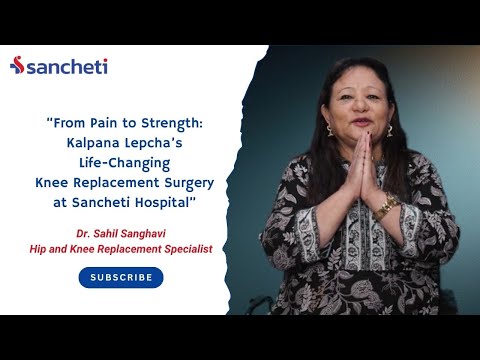
Kalpana Lepcha
play circle svgrepo com 1 1

My life has completely changed after the knee replacement surgery at Sancheti Hospital. It's like I can finally live again!

Kalpana Lepcha
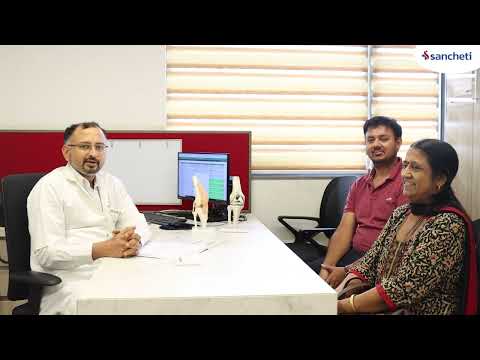
Karuna
play circle svgrepo com 1 1

The knee pain I've carried for years finally went away with the help of Sancheti Hospital.

Karuna
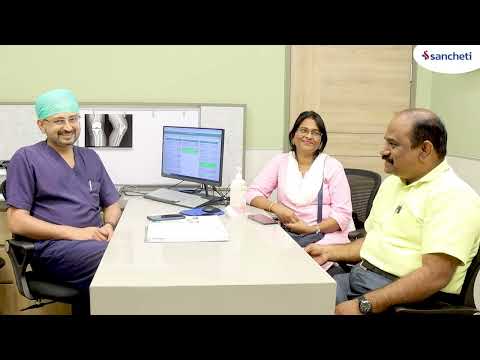
Kishore Bhosle
play circle svgrepo com 1 1

I can't believe that I get to finally live a normal and happy life, all thanks to the knee surgery I had at Sancheti Hospital.

Kishore Bhosle
Frequently Asked Questions

Is arthrogryposis hereditary?

Some types of arthrogryposis have a genetic basis and can be inherited, while others result from environmental factors or unknown causes during fetal development.

Yes, prenatal ultrasound can sometimes detect decreased fetal movement or joint abnormalities that suggest arthrogryposis, allowing for early preparation and planning.

No, arthrogryposis primarily affects muscles and joints. Intelligence and cognitive development are typically normal in individuals with this condition.

Not always. Many children benefit significantly from physical therapy and orthotic devices. Surgery may be necessary for severe contractures or deformities that don’t respond to conservative treatment.

Many children can walk with or without assistive devices, depending on the severity of contractures and which joints are involved. Early intervention improves mobility outcomes.

Contact Us

(24/7 Support Line)
10am-> 05 pm
Democracy Blvd.

Follow Us

Chat