Pediatric Bow Leg Correction Pune
Get expert bow leg correction in Pune with pediatric orthopedic surgeons providing guided growth and limb alignment procedures.
Overview
Bow legs, medically termed genu varum deformity, is a condition where a child’s legs curve outward at the knees while the feet and ankles touch together. This creates a visible gap between the knees when standing upright. The condition is extremely common in infants and toddlers, with most cases being a normal part of early development.
Understanding bow legs symptoms is crucial for parents, as it helps distinguish between normal developmental changes and situations requiring medical attention. While bowed legs in newborn babies are typically harmless and self-correcting, persistent or severe cases may indicate underlying medical conditions that need professional evaluation and treatment.
Symptoms
The primary bow legs symptoms include:
- Outward curving of the legs at the knee joints
- Noticeable gap between the knees when feet are placed together
- Normal alignment of ankles and feet
- Symmetrical or asymmetrical bowing (affecting one or both legs)
- Generally painless in mild cases
- Waddling walking pattern in some children
- Possible knee, hip, or ankle discomfort in severe cases
- Difficulty with balance or frequent tripping
Parents typically notice these signs when their bow legged baby walking begins or when the bow legged toddler stands independently. The condition becomes more apparent as children develop their walking skills.
Causes
Several factors contribute to bow legged causes:
- Physiological (Normal) Bowing: Most newborn bowed legs result from the baby’s cramped position in the womb. This natural curving usually corrects itself as the child grows and begins walking.
- Blount’s Disease: A growth disorder affecting the shinbone (tibia) that causes progressive bowing. This condition is more common in children who walk early or are overweight.
- Rickets: A bone-weakening disease caused by vitamin D deficiency, leading to soft, weak bones that bend under body weight.
- Genetic Factors: Some children inherit bone growth patterns that predispose them to bow legs.
- Trauma or Infection: Injuries or infections affecting the growth plates of leg bones can cause abnormal curvature.
Risk Factors
Certain factors increase the likelihood of developing bow legs:
- Age: Most common in children under 2 years old
- Family history: Genetic predisposition plays a significant role
- Nutritional deficiencies: Lack of vitamin D or calcium
- Obesity: Excess weight puts stress on developing bones
- Early walking: Children who walk before 12 months may develop more pronounced bowing
- Underlying medical conditions: Disorders affecting bone growth or metabolism
- Premature birth: Premature babies may have delayed bone development
Diagnosis
Healthcare providers use several methods to diagnose genu varum deformity:
- Physical Examination: The doctor observes the child’s leg alignment, measures the gap between knees when feet are together, and evaluates walking patterns.
- Medical History: Information about family history, nutrition, developmental milestones, and any pain or functional limitations.
- Imaging Studies: X-rays may be ordered if bowing is severe, asymmetrical, or persists beyond age 2-3 years. These help assess bone structure and rule out conditions like Blount’s disease or rickets.
- Laboratory Tests: Blood tests may check for vitamin D deficiency or other metabolic bone disorders if rickets is suspected.
Types
Bow legs can be classified based on their underlying cause:
| Type | Description |
|---|---|
| Physiological | Normal bowing seen in infants and toddlers, usually self-correcting |
| Pathological | Due to underlying diseases (e.g., Blount’s disease, rickets, trauma) |
| Congenital | Present at birth due to genetic or developmental issues |
| Acquired | Develops after birth due to nutritional, infectious, or traumatic causes |
Stages
Bow legs typically follow a predictable developmental timeline:
- Infancy (0-2 years): Bowed legs in newborn babies are common and considered normal. The legs gradually begin to straighten as the child grows.
- Toddler years (2-3 years): Most bow legged child cases resolve naturally during this period as bones strengthen and alignment improves.
- Preschool years (3-4 years): Some children may develop “knock knees” (genu valgum) as a normal part of growth before achieving proper alignment.
- After age 4: Legs should be straightening significantly. Persistent or worsening bowing may indicate an underlying problem requiring medical evaluation.
Treatment
Bow legs treatment varies depending on the cause and severity:
Physiological Bow Legs
Observation: Most cases resolve naturally without intervention by age 2-3. Regular pediatric check-ups monitor progress and ensure proper development.
Pathological Bow Legs
Treating Underlying Conditions:
- Rickets: Vitamin D and calcium supplementation, dietary improvements, and adequate sunlight exposure
- Blount’s disease: May require bracing in early stages or surgery if detected late or severe
Bracing: Special orthotic devices may be used to guide bone growth in specific cases.
Surgery: Reserved for severe, progressive, or unresponsive cases. Procedures may include:
- Osteotomy (cutting and realigning bones)
- Guided growth surgery using small plates or screws
Supportive Care
Physical therapy helps strengthen muscles, improve gait patterns, and support overall mobility. Pain management may be necessary for children experiencing discomfort.
Rehabilitation
Rehabilitation becomes important, especially after surgical intervention:
- Physical Therapy: Focuses on restoring strength, flexibility, and normal walking patterns. Exercises help improve muscle balance and joint function.
- Assistive Devices: Temporary use of crutches or walkers may be needed following surgery.
- Education: Teaching families appropriate exercises and activities to promote healthy bone development.
- Long-term Monitoring: Ensures proper bone alignment and function as the child continues growing.
The goal of rehabilitation is to optimize physical functioning, support independence, and prevent complications such as muscle weakness or joint stiffness.
Complications
If left untreated or due to underlying disease, potential complications include:
- Joint pain: Especially in knees, hips, or ankles due to abnormal stress patterns
- Abnormal gait: Waddling or limping that affects mobility and confidence
- Early-onset osteoarthritis: Caused by uneven stress on knee joints over time
- Reduced physical activity: Leading to muscle weakness or weight gain
- Psychosocial effects: Self-consciousness or social challenges due to visible leg deformity
- Balance problems: Increased risk of falls or injury
Early intervention through appropriate bow leg correction methods significantly reduces the risk of long-term complications.
Prevention
While physiological bow legs cannot be prevented, some steps can reduce the risk of pathological bow legs:
- Ensure adequate nutrition: Sufficient vitamin D and calcium intake for healthy bone development
- Regular pediatric check-ups: Early detection and management of abnormal leg alignment
- Prompt treatment of underlying conditions: Address rickets, infections, or trauma quickly
- Encourage safe activity: Avoid excessive weight-bearing activities in very young children
- Maintain healthy weight: Prevent obesity that can stress developing bones
Living With Bow Legs
Most children with physiological bow legs lead normal, active lives and outgrow the condition without lasting effects. For those with persistent or pathological bow legs:
- Follow Medical Advice: Attend all scheduled appointments and adhere to treatment plans recommended by healthcare providers.
- Promote Physical Activity: Encourage participation in age-appropriate sports and play while following any restrictions advised by doctors.
- Monitor for Changes: Watch for worsening bowing, development of pain, or difficulty walking that may require medical attention.
- Support Emotional Well-being: Address any self-esteem or social concerns your child may experience. Open communication helps build confidence.
- Educate Others: Help teachers, caregivers, and family members understand the condition and any necessary accommodations.
Families should work closely with healthcare providers to ensure the best outcomes for their child’s development and well-being.
Key Takeaways
- Bow legs (genu varum deformity) are extremely common in infants and usually resolve naturally as children grow and develop
- Bow legs symptoms include outward curving of legs at knees with a visible gap when feet are together, typically without pain in mild cases
- Genu varum causes range from normal developmental patterns to underlying conditions like Blount’s disease or rickets
- Bow legs treatment depends on severity and cause, ranging from simple observation to bow leg correction through bracing or surgery
- Early diagnosis and intervention prevent complications and support healthy bone development
- Most bow legged child cases require only monitoring, but persistent bowing beyond age 2-3 needs medical evaluation
- At Sancheti Hospital, our pediatric orthopedic specialists provide comprehensive evaluation and treatment for genu varum deformity, offering expert bow leg correction options and family-centered care to ensure optimal outcomes for every child
Meet Our Pediatric Orthopedic Specialists
Patient Stories & Experiences
The pain in my left knee left me feeling helpless for years. After my treatment here, I can finally say I'm pain-free.
Vinita Singh
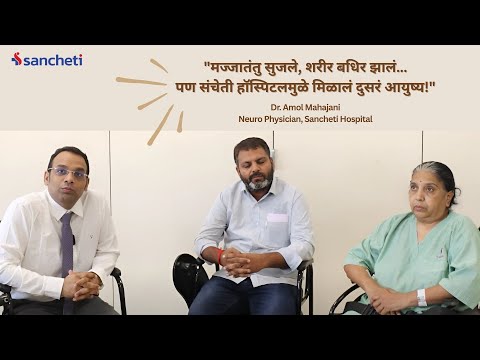
The nerves were swollen, and the body went numb. But thanks to Sancheti Hospital, I got a second life!
Parvati

I finally could walk again, a relief I've only felt after the hip pain surgery. I thank the doctors at Sancheti Hospital for their help.
Balaji Kharat

I'm a police officer, and I'm extremely thankful to Sancheti Hospital for treating my fracture without surgery.
Shantilal

My life has completely changed after the knee replacement surgery at Sancheti Hospital. It's like I can finally live again!
Kalpana Lepcha
The knee pain I've carried for years finally went away with the help of Sancheti Hospital.
Karuna

I can't believe that I get to finally live a normal and happy life, all thanks to the knee surgery I had at Sancheti Hospital.
Kishore Bhosle

Other Conditions
Frequently Asked Questions
When should I be concerned about my child's bow legs?
Consult a pediatrician if bow legs persist beyond age 2-3, are severe, worsen over time, or cause pain or difficulty walking.
Can bow legs be prevented?
Physiological bow legs cannot be prevented, but ensuring proper nutrition and treating underlying conditions can reduce the risk of pathological bow legs.
Will my child need surgery for bow legs?
Most children do not need surgery. Surgery is considered only in severe or persistent cases, especially when caused by conditions like Blount’s disease.
How long does it take for bow legs to correct naturally?
Physiological bow legs usually resolve by age 2-3 as the child grows and bone alignment improves.
Is physical therapy necessary for all children with bow legs?
Physical therapy is not required for most cases but may be recommended after surgery or if there are gait abnormalities or muscle weakness.
Home
Patient Login
International patients
Contact Us
Emergency
Download Reports