Pediatric Clubfoot Treatment Pune
Get advanced clubfoot treatment in Pune with pediatric orthopedic surgeons providing Ponseti casting, correction, and long-term mobility care.
Overview
Talipes equinovarus affects approximately 1 in every 1,000 babies born globally, making it a relatively common congenital condition. The deformity occurs when the foot rotates internally at the ankle, causing the sole to face upward or inward instead of pointing straight down. This twisting can affect one foot (unilateral) or both feet (bilateral).
The severity of clubfoot varies significantly between individuals. Some babies are born with mild cases that respond well to conservative treatment, while others may have more rigid deformities requiring intensive intervention. Regardless of severity, early recognition and prompt treatment are essential for achieving the best possible outcomes.
Symptoms
Clubfoot symptoms are typically obvious at birth and can be easily identified during routine newborn examinations. The primary signs and symptoms include:
- Distinctive foot position: The foot points downward and turns inward, creating the characteristic “club” appearance
- Underdeveloped calf muscles: The affected leg may have a noticeably smaller and thinner calf muscle
- Limited ankle movement: The ankle joint shows restricted range of motion and stiffness
- Altered foot shape: The heel is pulled upward and inward, while the arch appears more pronounced than normal
- Shorter foot length: The affected foot may appear smaller or shorter compared to a normal foot
- Rigid positioning: The foot resists gentle attempts to move it into a normal position
Talipes equinovarus symptoms are present from birth and do not develop over time. The condition is not painful for newborns, but without treatment, it can lead to significant discomfort and functional problems as the child grows.
Causes
The exact clubfoot causes remain largely unknown, but researchers believe the condition results from a complex interaction of genetic and environmental factors.
- Genetic factors play a significant role, as evidenced by the increased risk in families with a history of clubfoot. However, the inheritance pattern is not straightforward, suggesting that multiple genes likely contribute to the condition.
- Environmental influences during pregnancy may also contribute to clubfoot development. These include maternal smoking, inadequate prenatal care, and certain intrauterine positioning that restricts fetal movement.
- Neuromuscular abnormalities can sometimes lead to clubfoot, particularly when the condition is associated with other disorders affecting muscle tone and development. In some cases, clubfoot occurs as part of broader syndromes such as spina bifida or arthrogryposis.
Risk Factors
Several factors increase the likelihood of a baby being born with clubfoot:
- Family history: Having a parent or sibling with clubfoot significantly increases risk
- Male gender: Boys are affected twice as often as girls
- Birth order: First-born children have a slightly higher risk
- Maternal smoking: Smoking during pregnancy increases the likelihood of clubfoot
- Other birth defects: The presence of neuromuscular disorders or other congenital conditions
Diagnosis
Diagnosing clubfoot is typically straightforward and occurs immediately after birth through physical examination. Healthcare providers assess the foot’s position, range of motion, and overall muscle development.
- Prenatal diagnosis is possible through ultrasound, often as early as the second trimester of pregnancy. This early detection allows parents to prepare and plan for immediate treatment after birth.
- Imaging studies such as X-rays are rarely needed in newborns but may be used later to evaluate bone alignment and treatment progress. The clinical examination remains the primary diagnostic tool for clubfoot.
Types
Clubfoot can be classified into several types based on its underlying cause:
- Idiopathic clubfoot represents the most common form, occurring in healthy infants without any associated medical conditions. This type typically responds well to standard treatment protocols.
- Non-idiopathic (secondary) clubfoot is associated with neuromuscular disorders or genetic syndromes. These cases may require modified treatment approaches and often have different outcomes compared to idiopathic cases.
- Positional clubfoot results from intrauterine positioning and is typically more flexible than other types. This form may resolve with minimal intervention or simple stretching exercises.
Stages
The severity of clubfoot influences treatment planning and can be categorized into three stages:
- Mild clubfoot presents with flexible deformity that can be partially corrected with gentle manipulation. These cases typically respond well to conservative treatment methods.
- Moderate clubfoot involves more rigid positioning but still allows for some correction with appropriate intervention. Treatment may require more intensive casting and bracing protocols.
- Severe clubfoot presents with very rigid deformity that is difficult to correct manually. These cases may require surgical intervention in addition to conservative treatment methods.
Treatment
Modern clubfoot treatment has evolved significantly, with the Ponseti method now considered the gold standard for managing this condition. This talipes equinovarus treatment approach involves:
- The Ponseti method uses gentle manipulation and serial casting over 6-8 weeks to gradually correct the foot position. This technique is highly effective and has revolutionized clubfoot care worldwide.
- Bracing protocols follow the casting phase and are crucial for maintaining correction. Children typically wear a foot abduction brace for several years, initially full-time and then during sleep.
- Surgical intervention may be necessary for resistant cases or when relapse occurs. Procedures can include tendon lengthening, joint releases, or bone corrections, depending on the specific deformity.
- French functional method involves daily physical therapy and splinting but is less commonly used than the Ponseti approach.
Rehabilitation
Rehabilitation plays a vital role in maintaining correction and optimizing function throughout the child’s growth. Key components include:
- Physical therapy focuses on strengthening muscles and maintaining range of motion. Therapists work with families to develop appropriate exercise programs for each stage of treatment.
- Bracing compliance is essential for preventing relapse. Parents must understand proper brace application and ensure their child wears the device according to prescribed schedules.
- Regular monitoring allows healthcare providers to detect any recurrence early and adjust treatment as needed. Follow-up appointments continue throughout childhood and adolescence.
Complications
Without proper treatment, clubfoot can lead to significant long-term complications:
- Walking difficulties develop as untreated clubfoot causes abnormal gait patterns, limping, and pain with weight-bearing activities.
- Foot deformity becomes permanent, leading to calluses, skin breakdown, and chronic pain from abnormal pressure distribution.
- Muscle weakness affects the calf and foot muscles, further compromising function and stability.
- Joint problems can develop over time, including early arthritis due to abnormal biomechanics and stress patterns.
Prevention
While clubfoot cannot be entirely prevented due to its congenital nature, certain measures may reduce risk:
- Prenatal care includes regular check-ups and avoiding harmful exposures during pregnancy. Maintaining good overall health supports optimal fetal development.
- Smoking cessation is crucial, as maternal smoking significantly increases clubfoot risk.
- Genetic counseling may be beneficial for families with a history of clubfoot, helping them understand risks and make informed decisions about family planning.
Living With Clubfoot
Children with properly treated clubfoot can expect to lead normal, active lives. Important considerations include:
- Regular follow-up appointments continue throughout childhood to monitor foot development and ensure treatment success. Early detection of any problems allows for prompt intervention.
- Physical activity should be encouraged to promote strength, flexibility, and overall health. Most children can participate in sports and recreational activities without significant limitations.
- Awareness of recurrence is important, as some children may experience partial relapse during growth spurts. Parents should monitor for changes in foot position or function.
Key Takeaways
- Clubfoot or talipes equinovarus is a common birth defect affecting approximately 1 in 1,000 newborns, characterized by inward twisting of the foot
- Early diagnosis and prompt clubfoot treatment using the Ponseti method are crucial for achieving optimal outcomes
- Clubfoot symptoms include distinctive foot positioning, limited ankle movement, and underdeveloped calf muscles that are apparent at birth
- While exact clubfoot causes remain unknown, genetic and environmental factors contribute to the condition’s development
- With proper talipes equinovarus treatment, most children achieve normal foot function and can participate in all activities
- Bracing compliance and rehabilitation are essential components of successful treatment
- At Sancheti Hospital, our specialized pediatric orthopedic team provides comprehensive clubfoot care using the latest evidence-based treatment protocols, ensuring the best possible outcomes for children with this condition.
Meet Our Pediatric Orthopedic Specialists
Patient Stories & Experiences
The pain in my left knee left me feeling helpless for years. After my treatment here, I can finally say I'm pain-free.
Vinita Singh
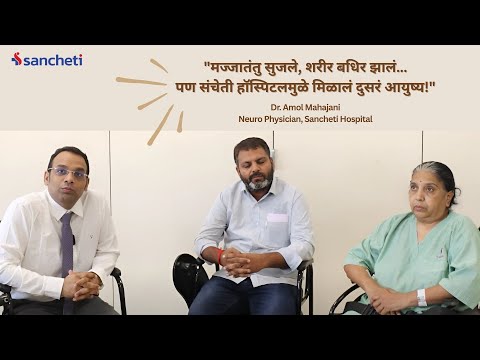
The nerves were swollen, and the body went numb. But thanks to Sancheti Hospital, I got a second life!
Parvati

I finally could walk again, a relief I've only felt after the hip pain surgery. I thank the doctors at Sancheti Hospital for their help.
Balaji Kharat
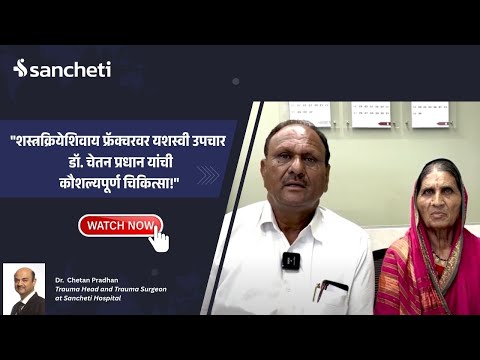
I'm a police officer, and I'm extremely thankful to Sancheti Hospital for treating my fracture without surgery.
Shantilal
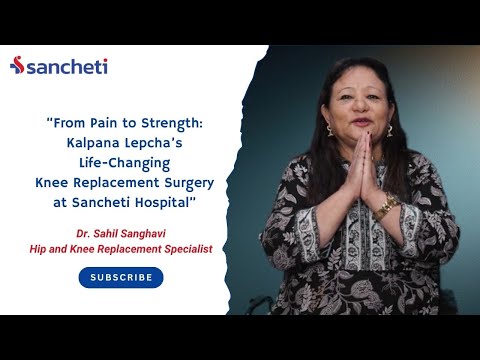
My life has completely changed after the knee replacement surgery at Sancheti Hospital. It's like I can finally live again!
Kalpana Lepcha
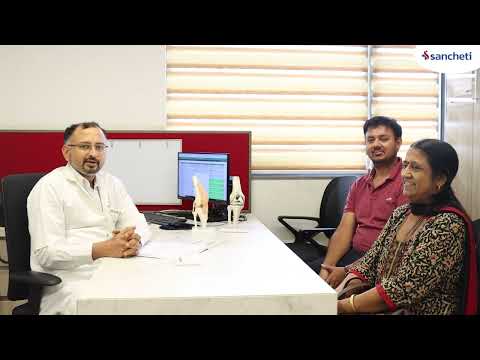
The knee pain I've carried for years finally went away with the help of Sancheti Hospital.
Karuna
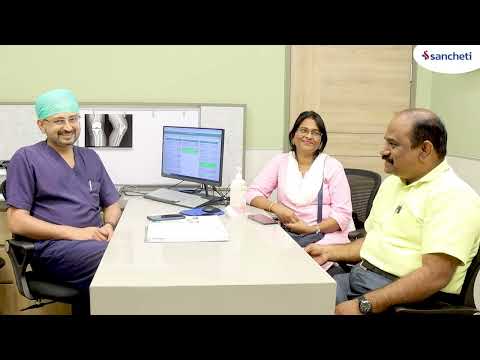
I can't believe that I get to finally live a normal and happy life, all thanks to the knee surgery I had at Sancheti Hospital.
Kishore Bhosle
Other Conditions
Frequently Asked Questions
Can clubfoot be detected before birth?
Yes, prenatal ultrasound can often identify clubfoot by the second trimester, allowing families to prepare for immediate treatment after delivery.
Is clubfoot painful for newborns?
No, clubfoot is not painful for babies. However, without treatment, it can cause significant pain and walking difficulties as the child grows.
How long does treatment typically last?
Initial casting usually takes 6-8 weeks, followed by bracing for several years. The total treatment period extends through early childhood.
Can clubfoot return after successful treatment?
Yes, relapse can occur, especially if bracing protocols are not followed correctly. This is why compliance with treatment recommendations is crucial.
Will my child need surgery?
Most cases respond well to non-surgical treatment with the Ponseti method. Surgery is only needed for resistant cases or when relapse occurs.
Home
Patient Login
International patients
Contact Us
Emergency
Download Reports