Pediatric Joint Instability Care Pune
Get specialized pediatric joint instability treatment in Pune with orthopedic experts providing advanced therapy and joint stabilization procedures.
Overview
Joint instability is a condition that affects millions of people worldwide, causing significant discomfort and limiting daily activities. This condition occurs when the soft tissues surrounding a joint – including ligaments, tendons, and muscles – become weakened, stretched, or damaged, preventing them from properly supporting the bones within the joint.
When these crucial support structures fail, bones can move abnormally within their sockets, leading to pain, discomfort, and reduced function. Joint instability can develop suddenly after an injury or gradually over time due to repetitive stress. The condition can affect any joint in the body, from major weight-bearing joints like the knees, hips, and ankles to smaller joints in the shoulders, elbows, and thumbs.
Symptoms
Joint instability presents with various symptoms that can significantly impact quality of life. The severity and type of symptoms depend on which joint is affected and the extent of the damage. Common signs include:
- Routine joint dislocations – The joint frequently slips out of its normal position
- Feeling of the joint “giving way” or suddenly collapsing during movement
- Joint looseness – A general sensation that the joint feels unstable or wobbly
- Chronic pain that worsens with activity and may spread to surrounding areas
- Numbness or tingling sensations around the affected joint
- Tenderness when touching the joint area
- Abnormal sounds like popping, clicking, or crackling (crepitation) during movement
- Decreased range of motion – Difficulty moving the joint through its full arc
- Visible deformity when dislocation occurs
- Difficulty bearing weight, especially in leg joints
- Muscle spasms as the body tries to compensate for joint instability
- Increased risk of falls due to balance problems
Causes
Joint instability develops when the supportive structures around a joint become compromised. Several factors can lead to this weakening:
Acute Injuries:
- Hard blows to joints during sports or accidents
- Falls, especially on outstretched hands
- Motor vehicle accidents causing sudden joint trauma
- Dislocations that stretch or tear ligaments
Repetitive Stress:
- Performing the same motions repeatedly (common in sports like baseball or swimming)
- Occupational activities requiring repetitive joint movements
- Overuse injuries from excessive training or activity
Congenital Factors:
- Being born with naturally loose ligaments or hypermobile joints
- “Double-jointed” individuals who have joints that move in multiple directions
- Slower ligament and tendon development in children and teenagers
Degenerative Conditions:
- Osteoarthritis causing gradual joint tissue breakdown
- Rheumatoid arthritis affecting joint structures
- Age-related weakening of supportive tissues
Secondary Factors:
- Previous joint dislocations making future instability more likely
- Compensatory movement patterns that stress other joints
- Microinstability from small ligament injuries that don’t heal properly
Risk Factors
Certain individuals are more susceptible to developing joint instability. Understanding these risk factors can help with prevention and early intervention:
- Athletes participating in contact sports or activities with repetitive motions
- People with naturally loose ligaments or hypermobility
- Individuals with a history of joint dislocations
- Those engaged in occupations requiring repetitive joint movements
- People with degenerative conditions like osteoarthritis
- Young males (particularly for shoulder instability) and elderly individuals
- Those with poor muscle strength around joints
- Individuals who don’t use proper protective equipment during high-risk activities
Diagnosis
Accurate diagnosis of joint instability requires a comprehensive evaluation by a healthcare professional. The diagnostic process typically includes:
Medical History Review: Healthcare providers will discuss when symptoms began, how injuries occurred, and the nature of pain and other sensations experienced.
Physical Examination: Doctors manually test the affected joint for stability, range of motion, and strength. They may detect a “loose-end feel” in the ligaments and assess overall joint function.
Imaging Studies:
- X-rays – Show bone position and identify dislocations or fractures
- MRI scans – Provide detailed views of ligaments, tendons, muscles, and cartilage
- CT scans and ultrasound – Offer additional detailed joint evaluation
- Dynamic imaging – Special motion studies that can reveal microinstability not visible on static images
Dynamic imaging is particularly valuable because it can detect excessive joint movement that might be hidden by muscle guarding during regular examinations. These studies are especially helpful when patients report instability symptoms but have normal static imaging results.
Types
Joint instability can be classified in several ways based on timing, severity, and underlying mechanisms:
By Timing:
- Acute instability – Sudden, severe dislocation of the joint
- Chronic instability – Frequent or recurring dislocation episodes
By Mechanism:
- Mechanical instability – Structural weakness causing excessive bone movement with clicking or grinding sounds
- Functional instability – Inability to perform specific functions due to pain and underlying joint problems
By Severity:
- Macroinstability – Complete ligament disruption leading to major dislocations
- Microinstability – Smaller ligament injuries causing subtle abnormal movements that often lead to chronic pain
Understanding the specific type of instability helps healthcare providers choose the most appropriate treatment approach.
Stages
Joint instability typically progresses through several stages, with symptoms becoming more severe over time:
Stage 1: Initial Tissue Damage
The first stage involves stretching or tearing of ligaments or tendons, often due to acute injury or repetitive stress. Symptoms may be mild initially.
Stage 2: Altered Joint Structure
As support weakens, the joint’s structural integrity becomes compromised. Bones begin moving abnormally within their sockets.
Stage 3: Symptom Development
Patients start experiencing pain and movement difficulties that impact daily activities, sports participation, and work performance.
Stage 4: Progressive Damage
Weight-bearing, rotation, and flexion become increasingly difficult. Muscles and ligaments may tear further, causing increased pain and swelling.
Stage 5: Recurrent Dislocation
The joint consistently slips out of place, leading to painful dislocations or subluxations that significantly restrict physical activities.
Stage 6: Secondary Arthritis
If left untreated, abnormal joint loading accelerates cartilage breakdown, leading to post-traumatic osteoarthritis and potentially “bone-on-bone” conditions.
Treatment
Treatment for joint instability varies based on the cause, severity, and location of the affected joint. Options range from conservative approaches to surgical interventions.
Conservative Treatments:
Rest and Activity Modification: Avoiding activities that worsen instability allows tissues to begin healing naturally.
Ice Application: Helps control swelling and reduces pain in the acute phase of treatment.
Anti-inflammatory Medications: NSAIDs can manage pain and swelling, though prolonged use may interfere with natural ligament healing.
Bracing and Support: Splints or braces provide external stability, limit harmful movement, and prevent recurrent injury during healing.
Prolotherapy: This innovative regenerative treatment addresses the root cause of joint instability – ligament laxity. Small amounts of a natural irritant solution (typically dextrose) are injected into weakened ligaments and tendons. This triggers the body’s natural healing response, promoting the growth of new, stronger tissue that tightens loose ligaments and stabilizes joints. Prolotherapy offers a unique advantage by actually strengthening the underlying structures rather than just managing symptoms.
Surgical Treatments:
When conservative treatments don’t provide adequate relief, surgery may be necessary:
- Ligament repair or reconstruction to restore joint stability
- Arthroscopic surgery using minimally invasive techniques
- Open surgery for more severe cases requiring extensive repair
- Joint replacement for severely damaged joints
- Joint fusion in extreme cases where other options have failed
Rehabilitation
Rehabilitation plays a crucial role in recovery from joint instability, whether following surgery or as part of conservative treatment.
Post-Surgical Care: After surgery, joints may be temporarily immobilized with slings or braces to allow proper healing.
Physical Therapy: A customized physical therapy program is essential for:
- Rebuilding strength in muscles and ligaments surrounding the joint
- Restoring full range of motion
- Improving proprioception (the body’s awareness of joint position)
- Preventing scar tissue formation
- Gradually returning to normal activities
Exercise Programs: Low-impact activities like swimming or cycling can strengthen periarticular muscles while minimizing stress on healing joints. Specific strengthening exercises target the supportive structures around affected joints.
Complications
Untreated joint instability can lead to serious long-term problems that significantly impact quality of life:
- Chronic subluxations and dislocations that become increasingly frequent
- Progressive decreased range of motion limiting daily activities
- Damage to surrounding blood vessels and nerves causing numbness and tingling
- Accelerated joint degeneration leading to premature osteoarthritis
- Inadequate ligament healing resulting in persistent ligament laxity
- Increased fall risk, especially with weight-bearing joint instability
- Adjacent segment disease where other joints compensate and become unstable
- Chronic pain that becomes increasingly difficult to manage
Prevention
Preventing joint instability involves strengthening supportive structures and adopting protective measures:
- Comprehensive joint strengthening focusing on muscles, tendons, and ligaments
- Using appropriate protective gear during high-risk activities
- Neuromuscular training programs for athletes, particularly effective for preventing ACL injuries
- Early intervention for individuals with natural hypermobility
- Regular screening to identify structural risk factors
- Prolotherapy treatments for those with early ligament laxity to prevent progression
- Proper warm-up and conditioning before physical activities
- Learning correct movement techniques for sports and work activities
Living With Joint Instability
Managing joint instability requires a comprehensive approach that addresses both the physical condition and its impact on daily life.
Active Management Strategies: Consistent participation in physical therapy and prescribed exercises is essential for maintaining joint strength and stability. Patients should work closely with healthcare providers to develop personalized exercise routines.
Lifestyle Modifications: Learning to modify activities and movement techniques can reduce stress on unstable joints and prevent symptom flare-ups. This might include changing how certain tasks are performed or using assistive devices.
Pain Management: Developing a comprehensive chronic pain management plan is important, while being mindful of the potential long-term effects of medications like NSAIDs on joint tissues.
Exploring Advanced Treatments: For many people, traditional treatments only provide temporary symptom relief. Prolotherapy and other regenerative treatments can be life-changing by directly addressing ligament laxity – the underlying cause of instability. These treatments can lead to long-term resolution of pain and improved function.
Patient Education: Understanding the condition, including the important role of ligaments and other soft tissues, empowers patients to make informed decisions about their care and actively participate in recovery.
Key Takeaways
- Joint instability occurs when weakened ligaments, tendons, and muscles fail to properly support joint structures
- Common symptoms include pain, joint dislocations, clicking sounds, and decreased range of motion
- Causes range from acute injuries to repetitive stress, congenital conditions, and degenerative diseases
- Early diagnosis using physical examination and imaging studies is crucial for effective treatment
- Treatment options include conservative approaches, prolotherapy, and surgical interventions
- Untreated instability can lead to chronic pain and accelerated osteoarthritis
- Prevention strategies focus on strengthening supportive structures and using protective measures
- Rehabilitation and lifestyle modifications are essential for managing the condition long-term
At Sancheti Hospital, we understand that joint instability can significantly impact your quality of life, limiting your ability to perform daily activities and enjoy the things you love. Our comprehensive orthopedic team specializes in diagnosing and treating all forms of joint instability, from acute injuries to chronic conditions.
We offer the latest diagnostic technologies, including advanced imaging studies, to accurately identify the underlying causes of your joint problems. Our treatment approach combines traditional methods with cutting-edge regenerative therapies like prolotherapy, ensuring that you receive the most effective care tailored to your specific needs.
With our experienced physical therapy team and state-of-the-art rehabilitation facilities, we provide complete care from diagnosis through recovery, helping you regain stability, reduce pain, and return to an active, fulfilling life.
Meet Our Pediatric Orthopedic Specialists
Patient Stories & Experiences
The pain in my left knee left me feeling helpless for years. After my treatment here, I can finally say I'm pain-free.
Vinita Singh
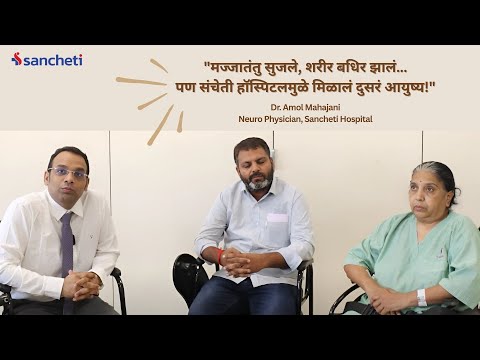
The nerves were swollen, and the body went numb. But thanks to Sancheti Hospital, I got a second life!
Parvati

I finally could walk again, a relief I've only felt after the hip pain surgery. I thank the doctors at Sancheti Hospital for their help.
Balaji Kharat

I'm a police officer, and I'm extremely thankful to Sancheti Hospital for treating my fracture without surgery.
Shantilal

My life has completely changed after the knee replacement surgery at Sancheti Hospital. It's like I can finally live again!
Kalpana Lepcha

The knee pain I've carried for years finally went away with the help of Sancheti Hospital.
Karuna

I can't believe that I get to finally live a normal and happy life, all thanks to the knee surgery I had at Sancheti Hospital.
Kishore Bhosle

Other Conditions
Frequently Asked Questions
Will I need surgery if I have joint instability?
Not necessarily. Many patients improve with non-surgical treatments like physical therapy, bracing, and prolotherapy. Surgery is typically considered only when conservative treatments fail or in cases of severe ligament tears.
Can I continue playing sports with joint instability?
This depends on the severity and which joint is affected. Some athletes can continue with proper bracing and conditioning, while others may need to modify activities or take a break during treatment. Your doctor will assess your specific situation.
Is joint instability hereditary?
While the condition itself isn’t directly inherited, some people are born with naturally loose ligaments or hypermobile joints, which increases their risk. Family history of joint problems may indicate a genetic predisposition.
Can weather changes affect my joint instability symptoms?
Yes, many patients notice increased pain and stiffness during weather changes, particularly before storms or in cold, damp conditions. This happens because barometric pressure changes can affect joint tissues and inflammation levels.
Home
Patient Login
International patients
Contact Us
Emergency
Download Reports