Dislocations

Pediatric Dislocation Treatment Experts Pune

Get expert pediatric dislocation treatment in Pune with orthopedic specialists providing advanced repositioning, stabilization, and rehabilitation therapy.

Overview

A dislocation happens when bones in a joint are pushed out of their normal position due to injury or trauma. This painful condition can affect any joint in your body, but commonly occurs in shoulders, fingers, and thumbs. When a joint dislocation occurs, it often damages surrounding tissues like ligaments, tendons, nerves, and blood vessels.

Dislocations can make simple daily activities extremely difficult, from gripping objects to participating in sports. Getting immediate medical help is essential because delayed treatment can lead to serious complications including chronic pain, joint instability, and permanent functional problems.

Symptoms

The symptoms of dislocation are usually obvious and quite painful. Here’s what to look for:

  • Visible deformity – The joint looks out of place, misshapen, or abnormal
  • Severe pain – Intense pain at the time of injury that worsens with movement
  • Swelling and bruising – Almost always present around the injured area
  • Loss of movement – You cannot move the dislocated joint normally or at all
  • Joint instability – The joint feels loose or like it might give out
  • Numbness or tingling – May occur if nerves are compressed by displaced bones

Causes

Dislocations result from significant force or trauma applied to a joint. 

Traumatic Incidents:

  • Direct blows to joints from accidents or falls
  • Car accidents that create sudden, forceful impact
  • Sports injuries from contact or high-impact activities

Sports-Related Causes:

  • Football, cricket, rugby collisions
  • Gymnastics falls and awkward landings
  • Skiing accidents and cycling crashes
  • Sudden twisting movements during play

Mechanical Forces:

  • Forceful twisting or jerking motions
  • Hyperextending joints beyond normal range
  • Falling on outstretched arms
  • Repetitive strain that weakens joint support over time

The force required to cause a dislocation is typically significant, which explains why these injuries often occur during high-energy activities or accidents.

Risk Factors

While anyone can experience a dislocation, certain factors increase your risk:

Age-Related Factors:

  • Children have more flexible ligaments, making them prone to injuries like nursemaid’s elbow
  • Older adults may have weaker bones and poorer balance, increasing fall risk

Previous Injury History:

  • Prior dislocations stretch and weaken supporting tissues
  • Shoulder dislocation and kneecap injuries commonly recur
  • Inadequate rehabilitation after previous injuries

Physical Characteristics:

  • Joint hypermobility – naturally loose or stretchy ligaments
  • Muscle weakness around joints
  • Poor physical conditioning

Medical Conditions:

  • Ehlers-Danlos syndrome affecting connective tissues
  • Marfan syndrome
  • Developmental hip problems in infants
  • Osteoporosis in older adults

Activity-Related Risks:

  • Participation in contact sports
  • Activities requiring sudden direction changes
  • Operating heavy machinery
  • High-risk recreational activities

Diagnosis

Healthcare professionals use several methods to diagnose dislocations accurately:

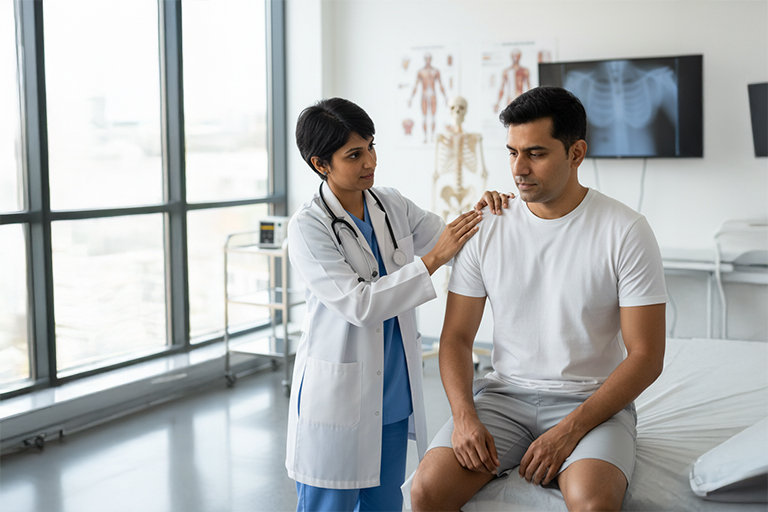
Physical Examination: Your doctor will examine the affected area, looking for visible deformity, swelling, tenderness, and limited movement. They’ll also check circulation and nerve function to ensure no serious complications exist.

Medical History: The doctor will ask detailed questions about how the injury occurred, any previous joint problems, and existing medical conditions that might affect healing.

Imaging Tests:

  • X-rays are most commonly used to confirm the dislocation and check for bone fractures
  • MRI scans may be needed for complex cases to examine soft tissues
  • CT scans provide detailed bone images when needed
  • Ultrasound might be used in specific situations

These tests help doctors understand the full extent of the injury and plan appropriate treatment.

Types

Dislocations are classified based on how completely the bones separate and which joints are affected:

By Separation Extent:

  • Complete dislocation – bones are entirely separated from their normal position
  • Partial dislocation (subluxation) – bones are partially displaced but maintain some contact

By Joint Location:

Shoulder Dislocation: The most common type, usually occurring when the upper arm bone pops out of the shoulder socket. Most are anterior (forward) dislocations.

Finger and Thumb Dislocations:

  • Finger injuries often affect the middle knuckle joint
  • Thumb dislocation may involve torn ligaments requiring surgical repair
  • Severe thumb injuries can develop Stener lesions needing surgery

Other Common Types:

  • Elbow dislocation – frequent in children and athletes
  • Knee dislocation – can involve the kneecap or entire knee joint
  • Hip dislocation – usually from high-energy trauma like car accidents
  • Jaw dislocation – from opening mouth too wide
  • Ankle and foot dislocations – often occur with fractures

Treatment

Effective treatment for dislocation involves immediate care followed by professional medical intervention:

Immediate First Aid (Never attempt to reset the joint yourself):

  1. Seek emergency medical care immediately
  2. Immobilize the joint with splints, slings, or soft padding
  3. Apply ice for 15-20 minutes at a time to reduce swelling
  4. Elevate the injured area above heart level when possible

Professional Medical Treatment:

Reduction Process: Healthcare providers perform closed reduction, gently maneuvering bones back into the correct position. Sedation or anesthesia may be used to manage pain and relax muscles during this procedure.

Immobilization: After reduction, the dislocated joint is immobilized with splints, slings, or casts for several weeks. This allows damaged tissues to heal and prevents re-injury.

Pain Management: Doctors prescribe appropriate pain medications and anti-inflammatory drugs to control discomfort during recovery.

Surgical Treatment: Surgery may be necessary for:

  • Complex or unstable dislocations
  • Severe ligament or tendon damage
  • Failed closed reduction attempts
  • Recurrent dislocations requiring joint stabilization

Rehabilitation

Rehabilitation after dislocation is essential for complete recovery and preventing future injuries:

Physical Therapy Program: A customized exercise program focuses on gradually strengthening muscles around the affected joint while restoring normal range of motion.

Key Rehabilitation Components:

  • Strength training for supporting muscles
  • Flexibility exercises to restore normal movement
  • Proprioception training to improve joint position awareness
  • Stability exercises to prevent re-injury

Recovery Timeline:

  • Finger dislocations may heal in a few weeks
  • Shoulder dislocations often require 3-6 months for full recovery
  • Hip dislocations may need several months of rehabilitation
  • Complex cases may require longer recovery periods

Patient Education: Physical therapists teach proper body mechanics, joint protection techniques, and home exercises to maintain joint health long-term.

Complications

While most dislocations heal well with proper treatment, potential complications include:

Immediate Complications:

  • Bone fractures accompanying the dislocation
  • Nerve damage causing numbness or weakness
  • Blood vessel injury affecting circulation
  • Soft tissue damage to ligaments and tendons

Long-term Complications:

  • Recurrent dislocations, especially in shoulders and kneecaps
  • Chronic joint instability and ongoing pain
  • Reduced range of motion and stiffness
  • Development of arthritis in the affected joint

Serious Complications:

  • Avascular necrosis (bone tissue death from poor blood supply)
  • Permanent nerve damage
  • Chronic disability affecting daily activities

Early treatment and proper rehabilitation significantly reduce the risk of these complications.

Prevention

While accidents happen, you can reduce your dislocation risk through preventive measures:

Strengthen Supporting Muscles: Regular exercise targeting muscles around your joints improves stability and support. Focus on strength training and flexibility exercises.

Use Protective Equipment:

  • Wear appropriate gear during sports activities
  • Use joint braces or supports when recommended
  • Ensure proper fitting of protective equipment

Practice Safe Techniques:

  • Learn correct techniques for sports and physical activities
  • Avoid overuse and allow adequate rest between activities
  • Maintain good balance and coordination through regular exercise

Health Maintenance:

  • Maintain healthy body weight to reduce joint stress
  • Eat a balanced diet supporting bone and joint health
  • Stay physically active to maintain muscle strength and flexibility

Living With Dislocation

Recovery from joint dislocation requires patience and commitment to your treatment plan:

Follow Your Treatment Plan: Stick diligently to prescribed rehabilitation after dislocation exercises and attend all physical therapy sessions. Consistency is key to successful recovery.

Use Joint Protection: Wear recommended braces, splints, or supports during activities. These devices help protect healing tissues and prevent re-injury.

Activity Modifications: Be mindful of activities that could stress the healing joint. Gradually return to normal activities as cleared by your healthcare provider.

Pain Management: Use prescribed pain relief methods and communicate with your healthcare team about any concerns during recovery.

Lifestyle Adjustments: Maintain overall health through proper nutrition, regular appropriate exercise, and adequate rest to support healing.

Regular Follow-up: Attend all scheduled appointments with your doctor to monitor progress and adjust treatment as needed.

Key Takeaways

  • Joint dislocation is a serious injury requiring immediate professional medical attention – never attempt self-treatment
  • Common symptoms of dislocation include severe pain, visible deformity, swelling, and inability to move the joint normally
  • Causes of dislocation typically involve significant trauma from accidents, falls, or sports injuries
  • Proper treatment for dislocation includes professional reduction, immobilization, and pain management
  • Rehabilitation after dislocation through physical therapy is crucial for complete recovery and preventing recurrence
  • Prevention strategies focus on muscle strengthening, protective equipment use, and safe activity practices
  • Early treatment and proper rehabilitation significantly reduce the risk of long-term complications

At Sancheti Hospital, we understand that joint dislocations can be frightening and painful experiences that significantly impact your daily life. Our experienced orthopedic specialists and rehabilitation team are dedicated to providing comprehensive care for all types of dislocations

From emergency treatment and surgical intervention when necessary to extensive rehabilitation after dislocation, we offer state-of-the-art facilities and personalized treatment plans. 

Our multidisciplinary approach ensures that patients receive not only expert medical care but also education on prevention strategies and long-term joint health maintenance. We are committed to helping you achieve complete recovery and return to your normal activities safely and confidently.

Patient Stories & Experiences

Vinita Singh
play circle svgrepo com 1 1

The pain in my left knee left me feeling helpless for years. After my treatment here, I can finally say I'm pain-free.

Vinita Singh
Parvati
play circle svgrepo com 1 1

The nerves were swollen, and the body went numb. But thanks to Sancheti Hospital, I got a second life!

Parvati
Balaji Kharat
play circle svgrepo com 1 1

I finally could walk again, a relief I've only felt after the hip pain surgery. I thank the doctors at Sancheti Hospital for their help.

Balaji Kharat
Shantilal
play circle svgrepo com 1 1

I'm a police officer, and I'm extremely thankful to Sancheti Hospital for treating my fracture without surgery.

Shantilal
Kalpana Lepcha
play circle svgrepo com 1 1

My life has completely changed after the knee replacement surgery at Sancheti Hospital. It's like I can finally live again!

Kalpana Lepcha
Karuna
play circle svgrepo com 1 1

The knee pain I've carried for years finally went away with the help of Sancheti Hospital.

Karuna
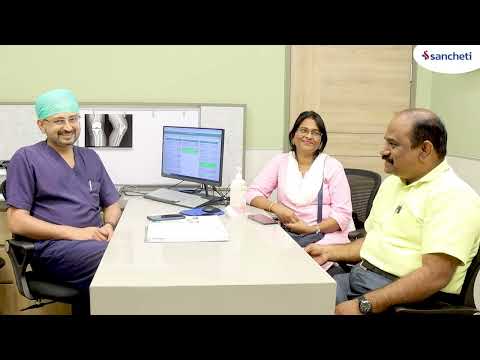
Kishore Bhosle
play circle svgrepo com 1 1

I can't believe that I get to finally live a normal and happy life, all thanks to the knee surgery I had at Sancheti Hospital.

Kishore Bhosle

Frequently Asked Questions

Will my joint be permanently weak after a dislocation?

Not necessarily. With proper treatment and rehabilitation, most joints regain normal strength. However, some people may experience mild instability, especially after shoulder dislocations. Following your physical therapy plan significantly improves long-term outcomes.

This depends on which arm is affected and your recovery stage. You shouldn’t drive while wearing a sling or if you can’t safely control the steering wheel. Most people can resume driving after 2-4 weeks, but check with your doctor first.

Some clicking or popping sounds are common during early recovery as tissues heal and the joint regains normal movement. However, if sounds are accompanied by pain or the joint feels like it’s slipping out of place, contact your doctor immediately.

Yes, many people report increased stiffness or mild discomfort in previously injured joints during cold or rainy weather. This is due to changes in barometric pressure affecting joint tissues. Gentle exercises and staying warm can help manage this discomfort.

Return to sports varies widely by joint and sport type. Contact sports typically require 3-6 months clearance after shoulder dislocations, while finger injuries may allow return in 4-6 weeks with proper taping. Your doctor will assess your specific situation and may require functional testing before clearance.

Contact Us

(24/7 Support Line)
10am-> 05 pm
Democracy Blvd.

Follow Us

Chat