Rheumatoid Arthritis

Hand Arthritis Treatment in Pune

Get specialized rheumatoid arthritis treatment in Pune with orthopaedic surgeons offering pain management and joint care.

Overview

Rheumatoid arthritis (RA) affects millions of people worldwide, making it one of the most common autoimmune diseases. Unlike regular wear-and-tear arthritis, RA occurs when your body’s immune system mistakenly attacks healthy joint tissue, causing painful inflammation and potential joint damage.

Rheumatoid arthritis is a chronic inflammatory disease that primarily targets the joints but can affect other parts of your body too. When you have RA, your immune system attacks the synovium—the thin membrane that lines your joints. This attack causes inflammation that can damage cartilage, bone, and surrounding tissues.

Unlike osteoarthritis, which develops from joint wear over time, rheumatoid arthritis is an autoimmune condition that can strike at any age, though it most commonly begins between ages 40 and 60. Women are more likely to develop RA than men.

Symptoms

Joint-Related Symptoms

The most recognizable signs of rheumatoid arthritis typically affect your joints:

  • Morning stiffness that lasts for hours—often the most telling early sign
  • Joint pain and tenderness that worsens with movement
  • Swelling in multiple joints, especially hands, wrists, and feet
  • Symmetrical involvement—the same joints affected on both sides of your body
  • Limited range of motion that may worsen over time
Beyond the Joints

Rheumatoid arthritis can also cause symptoms throughout your body:

  • Persistent fatigue that doesn’t improve with rest
  • Low-grade fever
  • Loss of appetite and unintended weight loss
  • Rheumatoid nodules—firm lumps under the skin, often near elbows
  • Anemia leading to weakness and shortness of breath

The condition can also affect your eyes, lungs, heart, and blood vessels, which is why working with healthcare professionals is essential for comprehensive care.

Causes and Risk Factors

What Triggers Rheumatoid Arthritis?

While the exact cause remains unclear, rheumatoid arthritis develops from a combination of genetic and environmental factors:

  • Certain genes, particularly HLA-DR1 and HLA-DRB1, increase your risk
  • Having these genes doesn’t guarantee you’ll develop RA, but it makes you more susceptible

Environmental Triggers:

  • Smoking significantly increases your risk, especially if you’re genetically predisposed
  • Silica exposure from certain occupations
  • Periodontal disease may trigger the autoimmune response
  • Various infections and environmental toxins
Who’s at Higher Risk?

Several factors can increase your likelihood of developing rheumatoid arthritis:

  • Being female (women are 2-3 times more likely to develop RA)
  • Age between 40-60 years
  • Family history of autoimmune diseases
  • Smoking history
  • Exposure to environmental toxins

Diagnosis

Diagnosing rheumatoid arthritis early is crucial for preventing joint damage and maintaining quality of life. Your doctor will use several approaches:

Medical Evaluation

Your healthcare provider will conduct a thorough physical examination, checking for joint swelling, tenderness, and range of motion. They’ll also review your symptoms, family history, and lifestyle factors.

Laboratory Tests

Blood tests play a vital role in RA diagnosis:

  • Rheumatoid Factor (RF) testing
  • Anti-CCP antibodies—more specific for RA
  • Inflammatory markers like ESR and CRP
  • Complete blood count to check for anemia
Imaging Studies

Modern imaging helps detect early joint changes:

  • X-rays show established joint damage
  • Ultrasound detects early inflammation
  • MRI provides detailed images of soft tissue inflammation

Early diagnosis allows for prompt treatment, which can significantly slow disease progression and prevent irreversible joint damage.

Treatment

Medication Management

Disease-Modifying Antirheumatic Drugs (DMARDs) form the cornerstone of RA treatment:

Conventional DMARDs:

  • Methotrexate—often the first-line treatment
  • Sulfasalazine and hydroxychloroquine
  • Usually combined with folic acid to reduce side effects

Biologic DMARDs:

  • Target specific inflammatory pathways
  • Include TNF inhibitors like adalimumab and etanercept
  • Rituximab and abatacept for different immune targets

Targeted Synthetic DMARDs:

  • JAK inhibitors that block specific inflammatory signals
  • Newer options for patients who don’t respond to conventional treatments

Additional Medications:

  • NSAIDs for pain and inflammation relief
  • Corticosteroids for flare management
  • Analgesics for pain control
Non-Drug Therapies

Medication works best when combined with other therapies:

Physical Therapy: 

  • Customized exercise programs to maintain joint function
  • Strength training to support joints
  • Aquatic therapy for gentle, low-impact movement

Occupational Therapy:

  • Joint protection techniques
  • Energy conservation strategies
  • Assistive devices to make daily tasks easier

Lifestyle Modifications:

  • Regular, appropriate exercise
  • Anti-inflammatory diet rich in omega-3 fatty acids
  • Stress management techniques
  • Adequate sleep and rest

Rehabilitation

Key components of RA rehabilitation include:

  • Physical Therapy: Physical therapists design tailored exercise programs to improve joint flexibility, strength, endurance, and overall physical function. Exercises can include range-of-motion exercises, strengthening exercises, and aerobic activities . Aquatic exercise may be particularly beneficial for painful joints .
  • Occupational Therapy: Occupational therapists help individuals adapt their environment and daily activities to minimize stress on affected joints. They provide strategies for joint protection, energy conservation, and using assistive devices .
  • Exercise Programs: Structured home exercise programs, particularly for the hands, have shown effectiveness in improving symptoms and function . Conditioning exercises can improve health status and reduce pain .
  • Assistive Devices: Providing or recommending assistive devices, orthoses, or splints can support painful or unstable joints, making daily tasks easier and reducing pain.
  • Thermotherapy: Using heat or cold modalities can provide temporary relief from pain and stiffness, making exercise or other activities more comfortable .

Complications

Rheumatoid arthritis can affect more than just your joints. 

Cardiovascular Health

People with RA have increased risk of heart disease due to chronic inflammation. Regular monitoring and heart-healthy lifestyle choices are essential.

Lung Complications

RA can cause lung inflammation and scarring. If you experience persistent cough or shortness of breath, inform your doctor immediately.

Bone Health

Chronic inflammation and certain medications can weaken bones. Your doctor may recommend bone density testing and calcium supplementation.

Eye Problems

Regular eye exams are important, as RA can cause dryness, inflammation, and vision problems.

Living Well with Rheumatoid Arthritis

Daily Management Strategies

Successfully managing rheumatoid arthritis involves consistent daily habits:

  • Take medications exactly as prescribed
  • Stay physically active with appropriate exercises
  • Use joint protection techniques during daily activities
  • Apply heat or cold therapy for symptom relief
  • Maintain a healthy weight to reduce joint stress
Building Your Support Network

Living with a chronic condition is easier with support:

  • Join RA support groups to connect with others who understand
  • Work closely with your healthcare team
  • Communicate openly with family and friends about your needs
  • Consider counseling if you’re struggling emotionally
Nutrition and Diet

While no specific diet cures RA, good nutrition supports overall health:

  • Follow an anti-inflammatory diet with plenty of fruits and vegetables
  • Include omega-3 rich foods like fish and walnuts
  • Limit processed foods and added sugars
  • Stay well-hydrated
  • Consider working with a nutritionist

Key Takeaways

  • Rheumatoid arthritis is a treatable autoimmune condition that requires comprehensive medical care
  • Early diagnosis and treatment can prevent joint damage and preserve function
  • Modern treatments, including biologics and targeted therapies, offer hope for remission
  • Combining medication with lifestyle changes provides the best outcomes
  • Regular exercise, proper nutrition, and stress management are essential components of care
  • RA can affect organs beyond joints, requiring vigilant monitoring

For individuals seeking specialized care for rheumatoid arthritis, Sancheti Hospital offers comprehensive rheumatology services with experienced specialists who understand the complexities of autoimmune conditions. Our hospital provides state-of-the-art diagnostic facilities, including advanced imaging and laboratory services, enabling accurate diagnosis and monitoring of RA

Our multidisciplinary team includes rheumatologists, physiotherapists, occupational therapists, and nutritionists who work together to create personalized treatment plans. Sancheti Hospital’s approach combines the latest medical treatments, including biologic therapies, with holistic care that addresses the physical, emotional, and social aspects of living with rheumatoid arthritis

Patients benefit from patient education programs, support groups, and ongoing monitoring that helps prevent complications and maintain optimal quality of life. Our  commitment to compassionate, evidence-based care makes it an excellent choice for those seeking expert management of rheumatoid arthritis and related autoimmune conditions.

Patient Stories & Experiences

Vinita Singh
play circle svgrepo com 1 1

The pain in my left knee left me feeling helpless for years. After my treatment here, I can finally say I'm pain-free.

Vinita Singh
Parvati
play circle svgrepo com 1 1

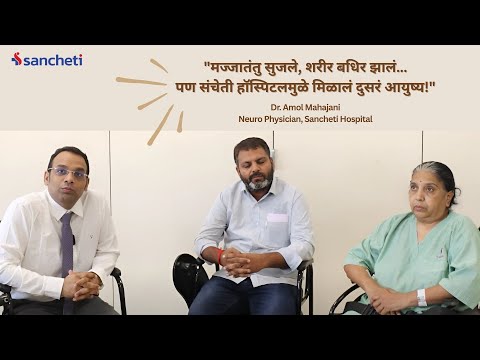
The nerves were swollen, and the body went numb. But thanks to Sancheti Hospital, I got a second life!

Parvati

Balaji Kharat
play circle svgrepo com 1 1

I finally could walk again, a relief I've only felt after the hip pain surgery. I thank the doctors at Sancheti Hospital for their help.

Balaji Kharat

Shantilal
play circle svgrepo com 1 1

I'm a police officer, and I'm extremely thankful to Sancheti Hospital for treating my fracture without surgery.

Shantilal

Kalpana Lepcha
play circle svgrepo com 1 1

My life has completely changed after the knee replacement surgery at Sancheti Hospital. It's like I can finally live again!

Kalpana Lepcha
Karuna
play circle svgrepo com 1 1

The knee pain I've carried for years finally went away with the help of Sancheti Hospital.

Karuna
Kishore Bhosle
play circle svgrepo com 1 1

I can't believe that I get to finally live a normal and happy life, all thanks to the knee surgery I had at Sancheti Hospital.

Kishore Bhosle

Frequently Asked Questions

Can I still have children if I have rheumatoid arthritis?

Yes, many women with RA have healthy pregnancies. However, you’ll need to work closely with your doctor to adjust medications before conception, as some RA drugs aren’t safe during pregnancy. Many women actually experience symptom improvement during pregnancy due to hormonal changes.

Most people with RA don’t become wheelchair-bound, especially with today’s advanced treatments. Early diagnosis and proper medication can prevent severe joint damage. Many patients live active, independent lives for decades after diagnosis.

While stress doesn’t cause RA, it can trigger flares in people who already have the condition. High stress levels can worsen inflammation and make symptoms more intense. Learning stress management techniques often helps reduce flare frequency.

Most vaccines are safe and recommended for RA patients, but timing matters. Live vaccines should be avoided while on certain medications like biologics. Your doctor will create a vaccination schedule that works with your treatment plan to keep you protected from infections.

Contact Us

(24/7 Support Line)
10am-> 05 pm
Democracy Blvd.

Follow Us

Chat