De Quervain’s Tenosynovitis

De Quervain’s Treatment in Pune

Get expert De Quervain’s tenosynovitis treatment in Pune with hand specialists providing pain relief, tendon care, and functional recovery therapies.

Overview

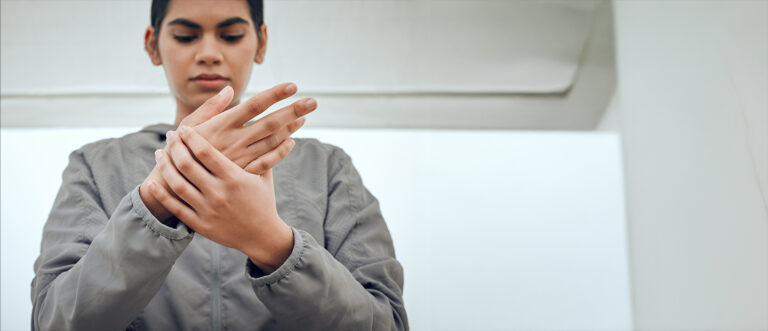
De Quervain’s tenosynovitis is a painful condition that affects the thumb side of your wrist. This condition involves inflammation and irritation of specific tendons that control thumb movement – the abductor pollicis longus and extensor pollicis brevis. These tendons pass through a narrow tunnel along the bony bump on your wrist’s thumb side.

When the tunnel or sheath around these tendons becomes thick and swollen, it squeezes the tendons, making thumb movement painful and difficult. You might feel a catching or jerky sensation when moving your thumb. 

Unlike simple inflammation, this condition often involves tissue changes and deposits that make the tendons stick and catch as they try to move through their pathway.

Symptoms

The main sign of De Quervain’s tenosynovitis is pain near the base of your thumb and along the thumb side of your wrist. This pain typically gets worse when you use your thumb and wrist for activities like gripping, pinching, or twisting motions.

Common tenosynovitis symptoms include:

  • Swelling in palm near thumb and wrist area
  • Difficulty moving your thumb during everyday activities
  • A catching, snapping, or popping feeling when moving your thumb
  • Stiffness that makes thumb movement feel rough or jerky
  • Numbness in the thumb or wrist region
  • Pain that may spread up your forearm or down into your thumb

The tendinitis of wrist symptoms typically worsen with activities that require thumb use, such as turning door knobs, opening jars, or lifting objects. Many people notice the pain is worse in the morning or after periods of rest.

Causes

While the exact De Quervain’s tenosynovitis causes aren’t always clear, the condition typically develops when the tendons and their surrounding sheath become irritated and thickened. This creates a narrow space that restricts normal tendon movement.

Several factors contribute to tenosynovitis causes:

  • Repetitive thumb and wrist movements, especially those involving forceful gripping or pinching
  • Sudden injury or trauma to the wrist area
  • Activities that require repetitive thumb extension and wrist bending
  • Increased friction from forceful thumb movements
  • Certain inflammatory conditions like arthritis

Structural differences in the tendon pathway that some people are born with

Risk Factors

Several factors can increase your chances of developing this condition:

Gender and Life Stages:

  • Women are much more likely to develop this condition than men
  • Pregnancy, especially in later stages
  • New mothers, particularly those who are breastfeeding
  • The postpartum period when repeatedly lifting and caring for a newborn

Activity-Related Factors:

  • Jobs requiring frequent wrist and thumb movements
  • Hobbies involving repetitive hand motions like gardening or crafts
  • Sports that stress the thumb and wrist
  • Extensive computer use with mouse or trackball

Other Risk Factors:

  • Middle age (most common time for development)
  • Certain medical conditions like hypothyroidism
  • Anatomical variations in tendon pathways
  • Previous wrist injuries

Diagnosis

Diagnosing De Quervain’s tenosynovitis primarily relies on your symptoms and a physical examination. Your doctor will ask about when your symptoms started, what makes them worse, and your daily activities.

During the physical exam, your doctor will:

  • Check for tenderness and swelling along the thumb side of your wrist
  • Test your tendon movement and function
  • Perform specific tests to confirm the diagnosis

Key Diagnostic Tests:

Finkelstein Test: You’ll place your thumb across your palm while your doctor moves your wrist toward your pinky finger. Sharp pain along the thumb side of your wrist indicates a positive test.

Eichhoff Test: You’ll make a fist with your thumb tucked inside your fingers, then bend your wrist toward your pinky. Pain in the same area suggests De Quervain’s tenosynovitis.

Most cases don’t require imaging tests like X-rays or MRIs. However, your doctor might order them to rule out other conditions like arthritis or fractures that can cause similar pain.

Treatment

Treatment for De Quervain’s tenosynovitis focuses on reducing pain and swelling while restoring normal thumb movement. Most people improve with non-surgical treatments.

Non-Surgical Treatment Options

Rest and Activity Changes:

  • Avoid activities that trigger your symptoms
  • Take frequent breaks from repetitive tasks
  • Modify how you perform daily activities to reduce thumb stress

Immobilization:

  • Wearing a thumb splint helps rest the affected tendons
  • Splints are typically worn during activities and sometimes at night
  • This reduces strain and allows healing

Medications:

  • Over-the-counter pain relievers like ibuprofen or acetaminophen
  • Anti-inflammatory medications to reduce swelling
  • Topical creams may provide additional relief

Corticosteroid Injections:

  • Steroid medicine injected directly into the tendon sheath
  • Often provides significant pain relief
  • May be guided by ultrasound for better accuracy
  • Second injection may be considered if the first provides incomplete relief
Surgical Treatment

If non-surgical treatments don’t provide adequate relief after several months, surgery may be recommended. The procedure, called tendon sheath release, is typically done as an outpatient procedure.

During surgery: 

  • A small incision is made over the affected area
  • The tight tendon sheath is carefully cut to create more space
  • Any additional barriers blocking tendon movement are removed
  • Nearby nerves are protected during the procedure

Most people experience significant improvement after surgery, with high success rates reported.

Rehabilitation

Recovery involves gradually returning to normal activities while maintaining tendon flexibility and strength.

Non-Surgical Rehabilitation:

  • Gentle finger and thumb exercises to maintain flexibility
  • Gradual return to activities as symptoms improve
  • Physical or occupational therapy if recommended

Post-Surgical Rehabilitation:

  • Early, gentle movement encouraged after surgery
  • Basic wound care with simple dressings
  • Progressive return to normal activities over 2-6 weeks
  • Specific exercises to restore full function and strength

Working with a therapist can help ensure proper healing and prevent future problems.

Complications

While treatments are generally safe and effective, some complications can occur.

Injection-Related Complications:

  • Skin changes at the injection site, including thinning or color changes
  • Tendon weakening if multiple injections are given too close together
  • Temporary increase in pain immediately after injection

Surgical Complications:

  • Nerve injury causing numbness or extreme sensitivity
  • Incomplete relief if all tendon restrictions aren’t released
  • Tendon displacement if too much of the sheath is removed
  • Infection or wound healing problems
  • Excessive scarring at the surgical site
  • Rare but serious conditions like complex regional pain syndrome

Most complications are manageable, and serious problems are uncommon when treatment is performed by experienced healthcare providers.

Prevention

While De Quervain’s tenosynovitis isn’t always preventable, you can reduce your risk by:

  • Avoiding repetitive thumb and wrist movements when possible
  • Taking regular breaks during activities that stress your thumbs
  • Using proper techniques for lifting and gripping objects
  • Maintaining good wrist and thumb positioning during computer work
  • Strengthening exercises for your hands and wrists
  • Being mindful of activities that cause thumb-side wrist pain

For new mothers, finding supportive ways to lift and hold your baby can help prevent this condition.

Living With Trigger Finger

Managing this condition successfully involves working closely with your healthcare team and making appropriate lifestyle adjustments.

Daily Management Tips: 

  • Follow your treatment plan consistently
  • Keep track of activities that worsen your symptoms
  • Use ice packs as recommended to reduce swelling
  • Perform prescribed exercises regularly
  • Communicate openly with your healthcare providers about your progress

Activity Modifications:

  • Learn new ways to perform tasks that reduce thumb stress
  • Use ergonomic tools when possible
  • Ask for help with activities that cause pain
  • Plan your day to include rest periods for your hands

Most people with De Quervain’s tenosynovitis can expect good outcomes with appropriate treatment. The key is early intervention and following your treatment plan consistently.

Key Takeaways

  • De Quervain’s tenosynovitis causes pain and stiffness on the thumb side of the wrist due to tendon irritation
  • Tenosynovitis symptoms include swelling in palm near thumb, catching sensations, and pain with thumb movements
  • Tenosynovitis causes often involve repetitive activities, though the exact cause isn’t always clear
  • Women, especially during pregnancy and postpartum periods, are at higher risk
  • Diagnosis relies on physical examination and specific tests like the Finkelstein test
  • Most cases improve with rest, splinting, and anti-inflammatory treatments
  • Corticosteroid injections provide effective relief for many patients
  • Surgery is reserved for cases that don’t respond to conservative treatment
  • Early treatment generally leads to better outcomes

At Sancheti Hospital, we understand how De Quervain’s tenosynovitis can significantly impact your daily life and work activities. Our experienced Hand & Microvascular Specialists provide comprehensive care for this condition, from accurate diagnosis using the latest techniques to personalized treatment plans that may include conservative management, expert injection procedures, or minimally invasive surgical options when needed. 

We work closely with our rehabilitation team to ensure you regain full function and return to your activities as quickly and safely as possible. Our patient-centered approach means we’ll take the time to explain your condition, discuss all treatment options, and support you throughout your recovery journey.

  •  

Patient Stories & Experiences

Vinita Singh
play circle svgrepo com 1 1

The pain in my left knee left me feeling helpless for years. After my treatment here, I can finally say I'm pain-free.

Vinita Singh
Parvati
play circle svgrepo com 1 1

The nerves were swollen, and the body went numb. But thanks to Sancheti Hospital, I got a second life!

Parvati

Balaji Kharat
play circle svgrepo com 1 1

I finally could walk again, a relief I've only felt after the hip pain surgery. I thank the doctors at Sancheti Hospital for their help.

Balaji Kharat

Shantilal
play circle svgrepo com 1 1

I'm a police officer, and I'm extremely thankful to Sancheti Hospital for treating my fracture without surgery.

Shantilal

Kalpana Lepcha
play circle svgrepo com 1 1

My life has completely changed after the knee replacement surgery at Sancheti Hospital. It's like I can finally live again!

Kalpana Lepcha
Karuna
play circle svgrepo com 1 1

The knee pain I've carried for years finally went away with the help of Sancheti Hospital.

Karuna
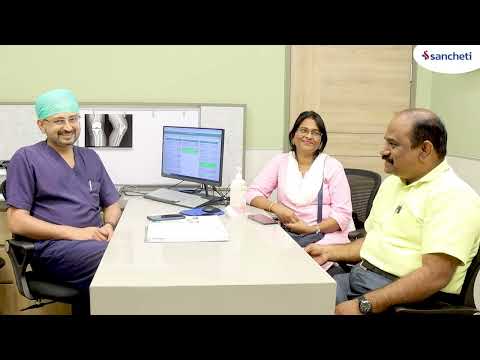
Kishore Bhosle
play circle svgrepo com 1 1

I can't believe that I get to finally live a normal and happy life, all thanks to the knee surgery I had at Sancheti Hospital.

Kishore Bhosle

Frequently Asked Questions

Can I still work with De Quervain's tenosynovitis?

Yes, but you may need to modify your work activities. Avoid repetitive typing, gripping, or lifting tasks. Use voice recognition software, ergonomic tools, and take frequent breaks. Many people continue working with proper accommodations.

Light exercise is usually fine, but avoid activities that stress your thumb and wrist like tennis, golf, or weightlifting. Swimming and walking are generally safe. Always consult your doctor before returning to sports activities.

Yes, pregnancy hormones can cause increased swelling and make symptoms worse. The condition often improves after delivery, but breastfeeding mothers may continue experiencing symptoms due to repetitive baby-holding positions.

Most people regain full grip strength with proper treatment and rehabilitation. It may take 2-3 months after successful treatment to reach pre-injury strength levels. Following prescribed exercises is crucial for complete recovery.

Contact Us

(24/7 Support Line)
10am-> 05 pm
Democracy Blvd.

Follow Us

Chat