Home
Home PG College
 Patient Login
 Sancheti Clinic
 Contact Us
 Download Reports
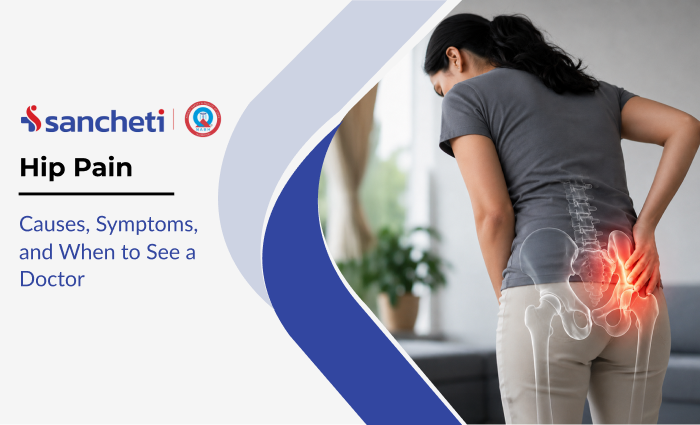

Hip Pain: Causes, Symptoms, and When to See a Doctor
Hip pain is one of the most common musculoskeletal complaints we see at Sancheti Hospital, Pune — and for good reason. The hip joint bears your entire body weight with every step you take.
Whether you’re experiencing a dull ache after a long day or sharp hip pain when walking, understanding the root cause is the first step toward effective treatment. In this blog, we’ll walk you through the most common causes of hip pain, warning symptoms to watch for, and when it’s time to visit an orthopedic specialist.
What Causes Hip Pain?
Hip pain can originate from the joint itself, the surrounding muscles, tendons, or even referred pain from the lower back. Here are the most frequent causes we encounter:
1. Osteoarthritis of the Hip
Hip osteoarthritis is the leading cause of chronic hip pain, especially in adults over 50. It occurs when the cartilage cushioning the joint gradually wears away, causing bones to rub against each other. Patients typically describe a deep, aching pain in the groin, thigh, or buttock area that worsens with activity.
Common signs include:
- Stiffness after sitting or lying down
- Reduced range of motion
- A grinding or clicking sensation in the joint
- Hip pain when walking or climbing stairs
2. Hip Labral Tear
The labrum is a ring of cartilage that lines the socket of the hip joint. A hip labral tear can result from repetitive motions, sports injuries, or structural abnormalities. It’s particularly common in athletes and active individuals.
Symptoms include a catching or locking sensation in the hip, along with groin pain that may radiate down the thigh.
3. Bursitis
Hip bursitis occurs when the small fluid-filled sacs (bursae) that cushion the hip joint become inflamed. The most common type — trochanteric bursitis — causes pain on the outer side of the hip that often worsens when lying on the affected side or climbing stairs.
4. Tendinitis and Muscle Strains
Overuse injuries, sudden movements, or poor posture can inflame the tendons around the hip. Hip tendinitis is especially common among runners and older adults. Muscle strains — particularly of the hip flexors — are also frequent causes of acute hip pain.
5. Hip Fractures
Hip fractures are a serious concern, particularly in older adults with osteoporosis. A fall or significant trauma can fracture the femoral neck. This requires immediate medical attention. Symptoms include severe pain, inability to bear weight, and visible deformity in some cases.
6. Referred Pain from the Lower Back or Knee
Not all hip pain originates in the hip. Conditions like sciatica, herniated discs, or even knee problems can cause pain that radiates into the hip region. This is why a thorough orthopedic evaluation is essential before beginning any treatment.
Recognising Hip Pain Symptoms
Understanding your symptoms can help you describe them accurately to your doctor. Common hip pain symptoms include:
- Groin pain or inner thigh discomfort
- Pain in the buttock, outer hip, or upper thigh
- Stiffness that limits your ability to bend or rotate the hip
- A limping gait to compensate for discomfort
- Swelling or tenderness around the joint
- Hip pain at night that disrupts sleep
- Pain that worsens after prolonged sitting or physical activity
At Sancheti Hospital, our orthopedic specialists use a combination of clinical assessment, X-rays, MRI, and gait analysis to pinpoint the exact source of your hip pain — ensuring you receive targeted, effective care.
Hip Pain in Specific Groups
Hip Pain in Older Adults
In older patients, hip pain in the elderly is most frequently caused by osteoarthritis or fractures due to reduced bone density. Early intervention is key — delaying treatment can accelerate joint degeneration and significantly reduce quality of life.
Hip Pain in Younger Adults and Athletes
Younger patients are more likely to experience labral tears, hip impingement (FAI), or bursitis from repetitive physical activity. Hip pain in athletes often develops gradually and may be mistakenly attributed to general muscle soreness.
Hip Pain During Pregnancy
Hormonal changes and increased body weight during pregnancy loosen pelvic ligaments, which can cause significant hip pain during pregnancy. While often managed conservatively, persistent or severe pain should always be evaluated by a specialist.
When to See a Doctor for Hip Pain
Mild hip discomfort from overexertion often resolves with rest. However, you should consult an orthopedic doctor if:
- Pain persists for more than two weeks despite rest and home care
- You experience hip pain when walking that limits your daily activities
- There is noticeable swelling, redness, or warmth around the joint
- You heard a “pop” and felt sudden severe pain after an injury
- You are unable to bear weight on the affected leg
- Hip pain at night is disturbing your sleep regularly
- You have a history of osteoporosis and experienced a fall
Do not ignore sudden, severe hip pain following trauma — this may indicate a fracture requiring emergency care.
How is Hip Pain Diagnosed?
At Sancheti Hospital, our approach to diagnosing hip pain is thorough and systematic:
- Medical History Review — Understanding the onset, location, and nature of your pain
- Physical Examination — Assessing range of motion, gait, and areas of tenderness
- Imaging Studies — X-rays to check for fractures or arthritis; MRI for soft tissue evaluation
- Blood Tests (if inflammatory conditions like rheumatoid arthritis or gout are suspected)
An accurate diagnosis is the foundation of effective treatment, which is why we never adopt a one-size-fits-all approach.
Treatment Options for Hip Pain
Treatment depends on the underlying cause and severity of symptoms:
Non-Surgical Options:
- Rest, ice, and anti-inflammatory medications (NSAIDs)
- Physiotherapy to strengthen hip muscles and improve flexibility
- Corticosteroid injections for bursitis or arthritis-related inflammation
- Activity modification and weight management
Surgical Options:
- Hip arthroscopy for labral tears or impingement
- Total hip replacement (THR) for advanced osteoarthritis — a procedure in which Sancheti Hospital has extensive expertise and strong outcomes
Key Takeaways
- Hip pain can stem from multiple causes including osteoarthritis, bursitis, labral tears, fractures, and referred pain from the spine.
- Symptoms like groin pain, stiffness, and difficulty walking are important signals your body is sending.
- Certain groups — older adults, athletes, and pregnant women — face higher risk and may need earlier evaluation.
- Seek medical attention if hip pain persists beyond two weeks, follows an injury, or limits daily function.
- Early diagnosis and targeted treatment significantly improve outcomes and can prevent the need for surgery.
- At Sancheti Hospital, Pune, our orthopedic specialists offer comprehensive, patient-centred care for all hip conditions.
Frequently Asked Questions (FAQs)
Q1. Can hip pain go away on its own? Mild hip pain from muscle strain or overuse may resolve within a few days with rest and ice. However, pain caused by structural issues like labral tears, arthritis, or fractures will not resolve without medical treatment. If symptoms persist beyond two weeks or worsen, consult a specialist.
Q2. Is hip pain always felt directly in the hip?
Not necessarily. Hip problems can cause pain in the groin, thigh, buttock, or even the knee. Similarly, back problems like sciatica can mimic hip pain. This is why a proper orthopedic evaluation is important to identify the true source.
Q3. What exercises are safe when you have hip pain?
Low-impact activities like swimming, gentle walking, and specific physiotherapy exercises are generally safe. However, you should avoid high-impact activities, deep squats, or any movement that aggravates your pain until you have a confirmed diagnosis. Always consult your doctor before starting an exercise programme.
Q4. Can sitting for long hours cause hip pain?
Yes. Prolonged sitting can tighten the hip flexor muscles and place pressure on the hip joint, leading to discomfort over time. This is particularly common in people with desk jobs. Regular movement breaks, ergonomic seating, and hip-strengthening exercises can help.
Q5. At what point is hip replacement surgery considered?
Hip replacement is typically recommended when pain is severe, significantly limits daily activities, and has not responded to at least several months of conservative treatment. At Sancheti Hospital, our surgeons conduct a detailed assessment before recommending surgery, ensuring it is the right choice for each patient’s unique situation.