Home
Home PG College
 Patient Login
 Sancheti Clinic
 Contact Us
 Download Reports

Hand Weakness Without Pain: Possible Nerve-Related Causes
Hand weakness without accompanying pain can be surprisingly common and often points to underlying nerve-related issues rather than muscle or bone problems. If you’re experiencing sudden loss of hand strength, finding yourself losing grip and dropping things, or noticing weakness specifically in your right or left hand, nerve compression or damage may be the culprit. At Sancheti Hospital, Pune’s leading orthopaedic centre, we frequently evaluate patients experiencing these symptoms and help identify the root neurological causes affecting their hand function.
Understanding Painless Hand Weakness
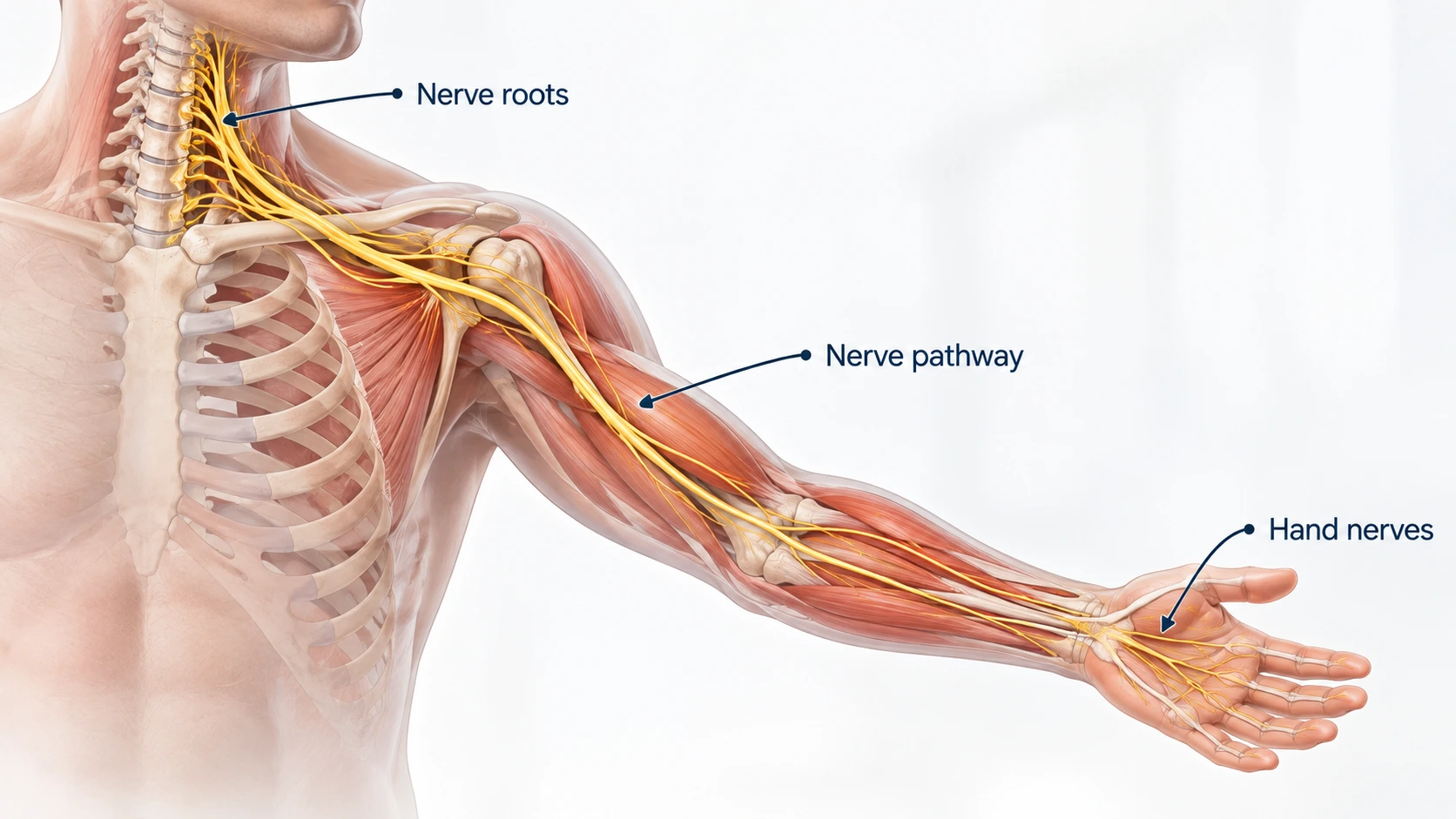
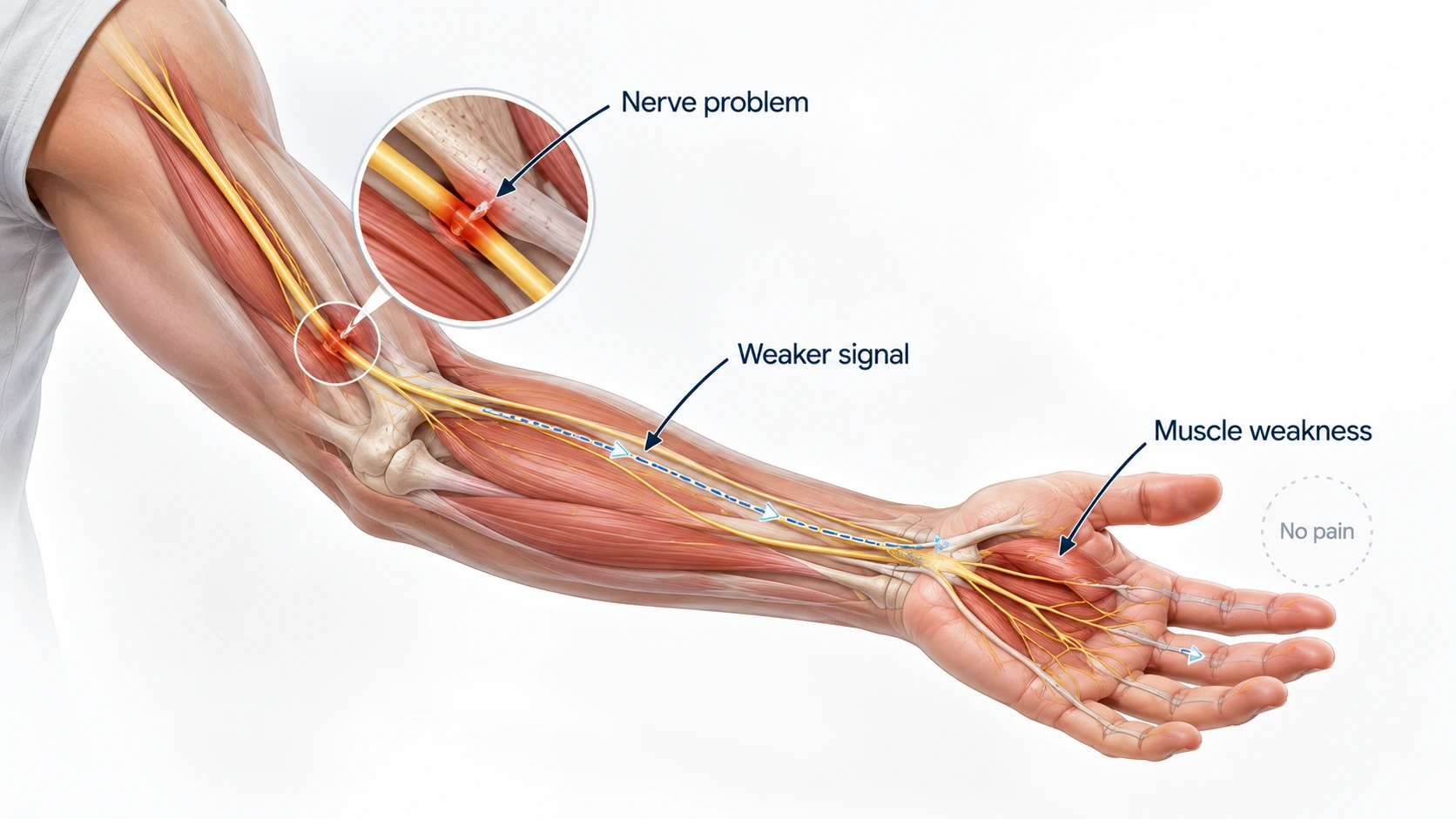
When weakness in hands develops without pain, many people initially dismiss it as fatigue or aging. However, this symptom often signals nerve involvement that requires proper medical evaluation. Unlike painful conditions where inflammation or injury is obvious, painless weakness typically indicates that nerves responsible for muscle control are affected while pain-sensing nerves remain intact.
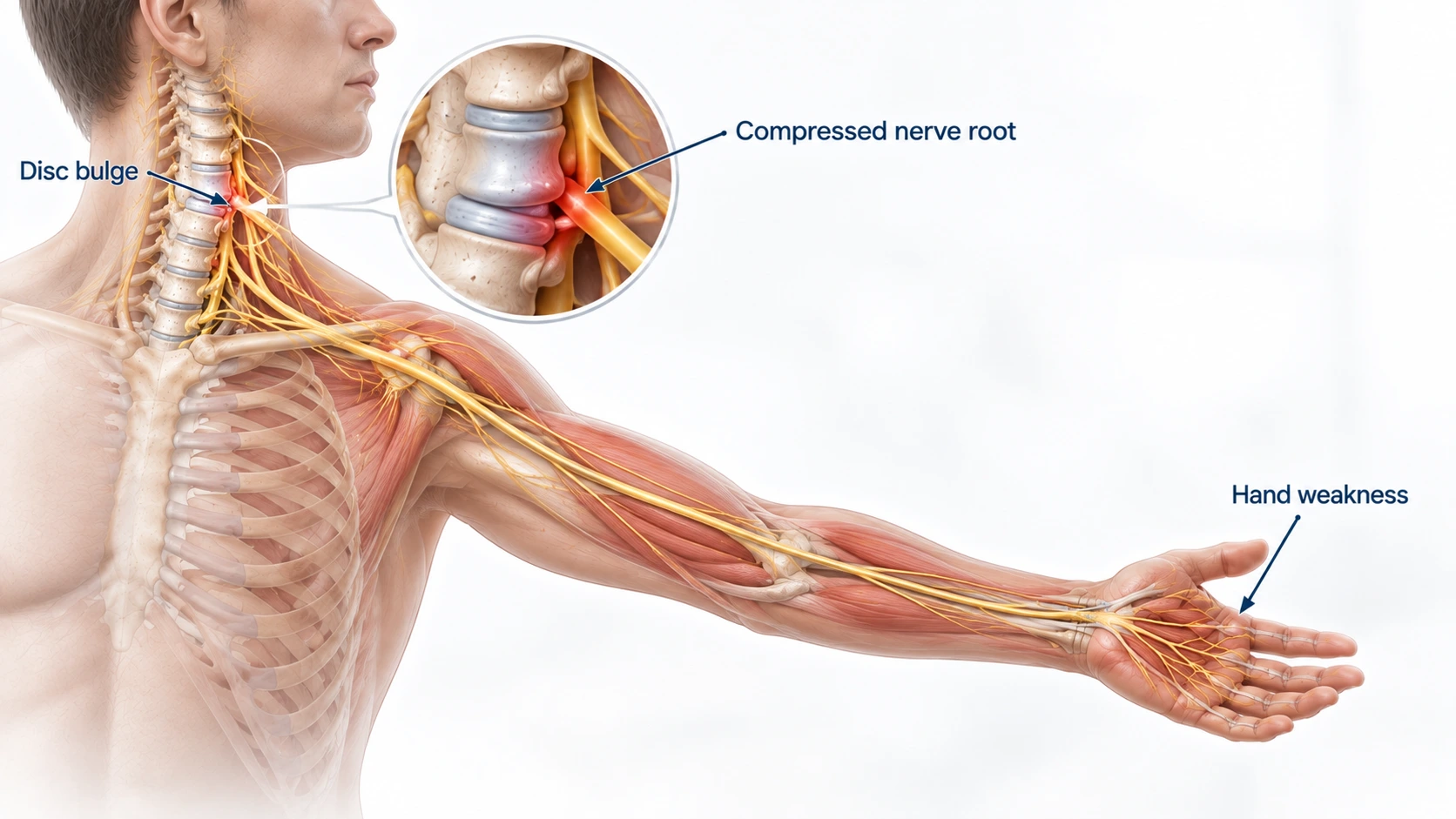
The hand’s complex network of nerves originates from the cervical spine and travels through various anatomical pathways before reaching your fingers. Any compression, irritation, or damage along these routes can result in weakness while sparing the pain pathways.
Common Nerve-Related Causes of Hand Weakness
Carpal Tunnel Syndrome
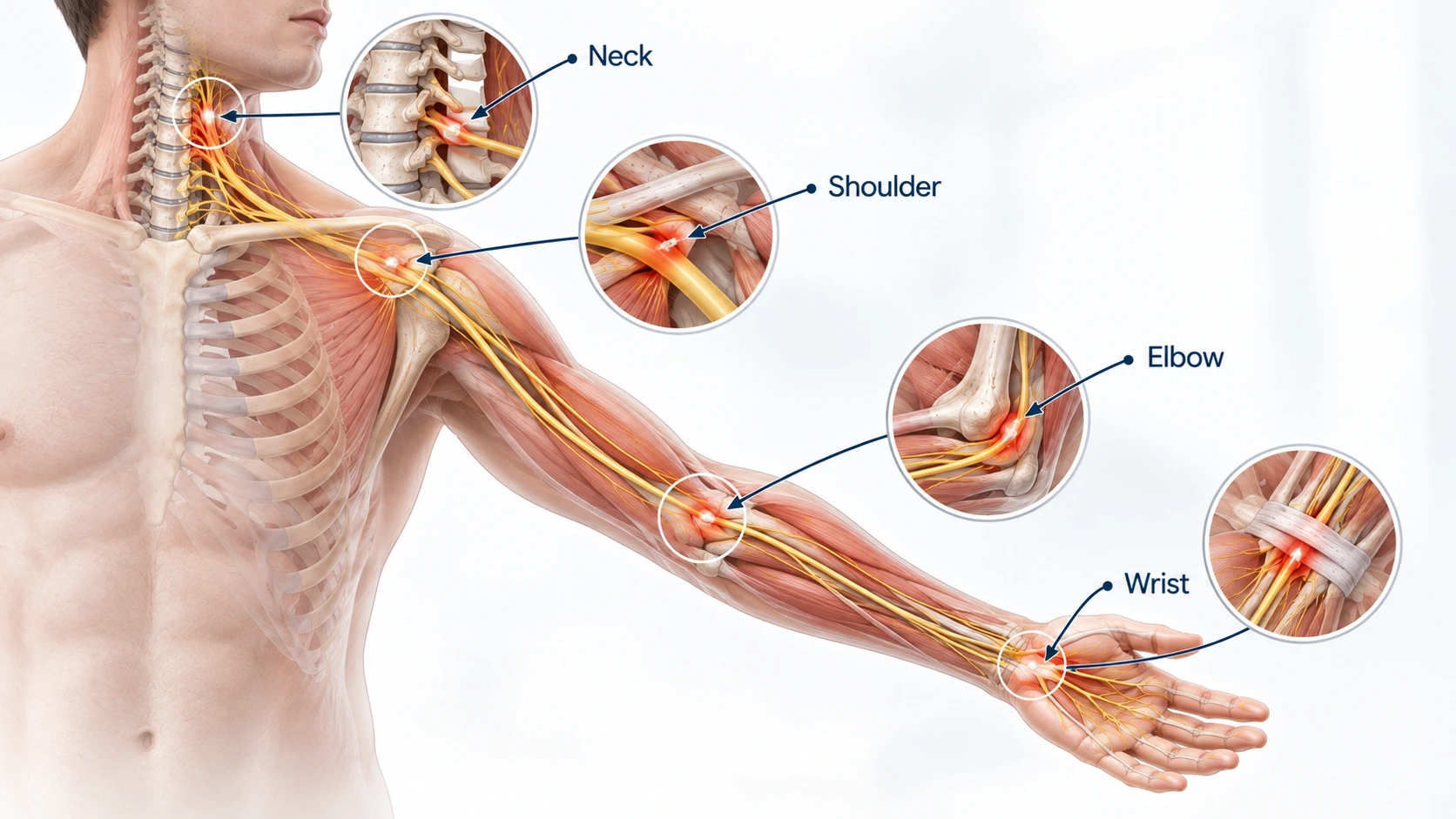
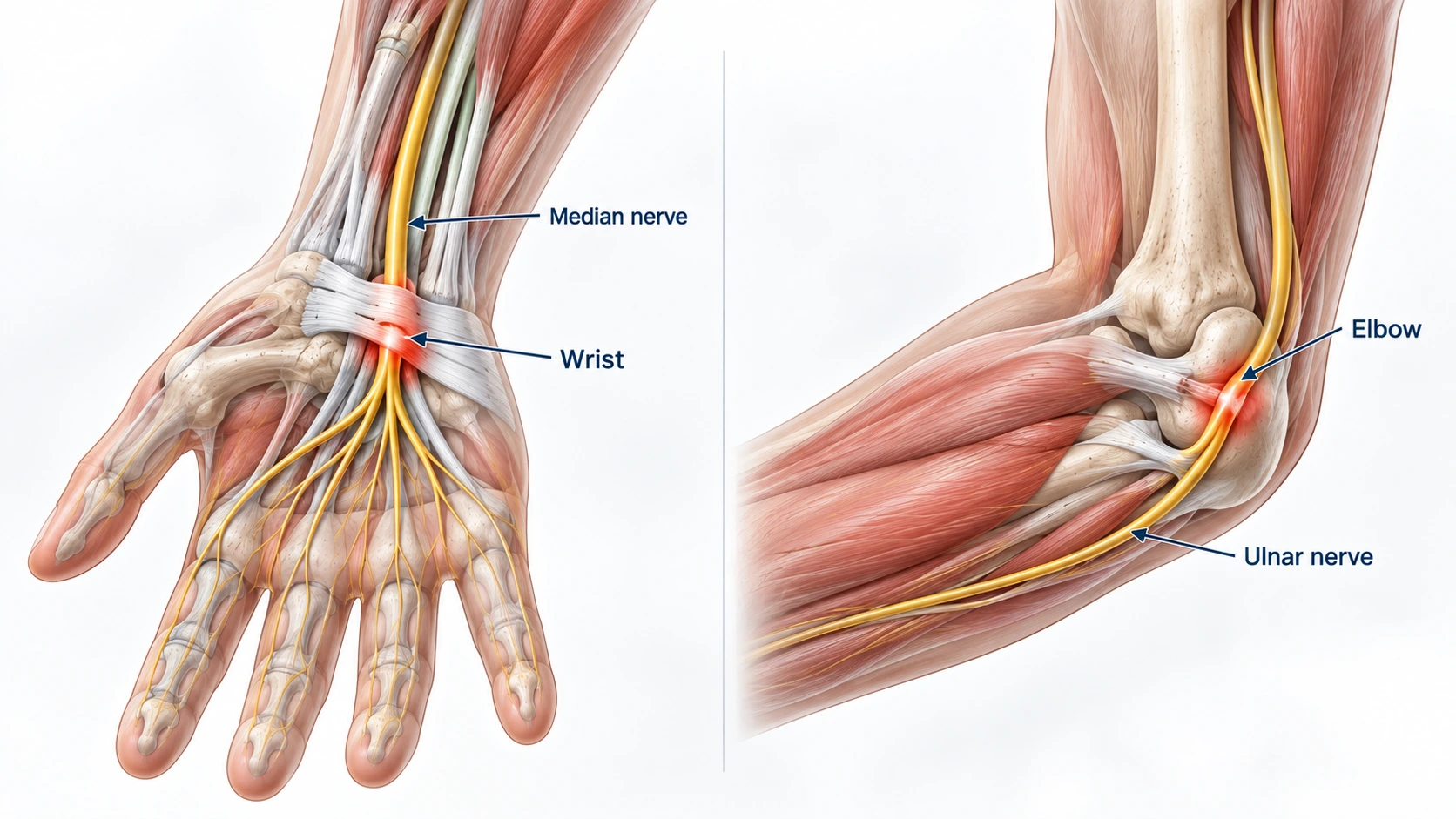
Carpal tunnel syndrome remains one of the most frequent causes of hand weakness, particularly affecting those who perform repetitive hand movements. The median nerve becomes compressed as it passes through the narrow carpal tunnel at the wrist.
Key symptoms include:
- Gradual weakness in grip strength
- Difficulty holding objects or buttoning clothes
- Weakness typically affecting the thumb, index, and middle fingers
- Symptoms often worse at night or upon waking
Many patients notice they’re dropping things more frequently before experiencing any pain or numbness.
Cubital Tunnel Syndrome
This condition involves compression of the ulnar nerve at the elbow, affecting the ring and little fingers primarily. Unlike carpal tunnel syndrome, cubital tunnel syndrome can cause weakness in the left hand or right hand depending on which elbow is affected.
Common manifestations:
- Reduced hand strength when gripping
- Difficulty with fine motor tasks like typing or playing instruments
- Weakness when pinching or spreading fingers
- Feeling of clumsiness in the affected hand
Cervical Radiculopathy
Nerve root compression in the neck can produce weakness that radiates down into the hand. A herniated disc or bone spurs in the cervical spine may pinch nerve roots, leading to sudden loss of hand strength without significant pain.
Distinguishing features:
- Weakness may affect specific muscle groups depending on which nerve root is compressed
- Symptoms can occur in one or both hands
- Weakness patterns help identify the specific spinal level involved
- May be accompanied by neck stiffness but not always hand pain
Thoracic Outlet Syndrome
This less common condition occurs when nerves or blood vessels become compressed in the space between your collarbone and first rib. It can cause weakness in hands along with heaviness and fatigue in the arm.
Characteristic signs:
- Weakness that worsens with overhead activities
- Feeling of arm and hand heaviness
- May affect grip strength bilaterally or unilaterally
- Often related to postural issues or anatomical variations
Peripheral Neuropathy
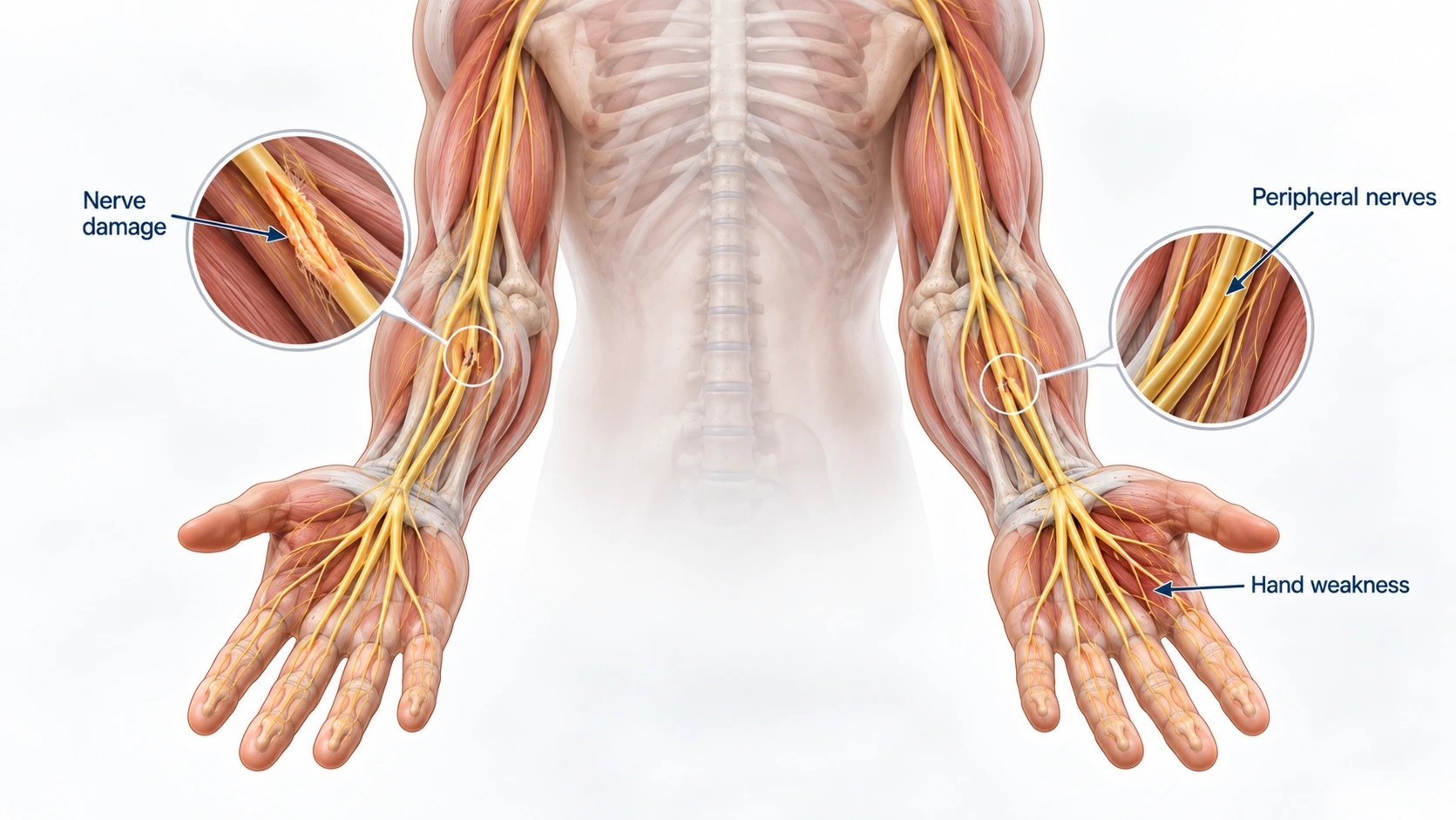
Damage to peripheral nerves from conditions like diabetes, vitamin deficiencies, or other systemic diseases can cause progressive hand weakness. This typically affects both hands symmetrically.
Typical presentation:
- Gradual onset of weakness
- Usually affects both hands similarly
- May start in the feet and progress upward
- Often accompanied by altered sensation even without pain
When Weakness Affects One Hand Specifically
Weakness in Right Hand
Dominant hand weakness often becomes more noticeable because we rely on it for most daily activities. Right-handed individuals experiencing weakness in their right hand may notice difficulty writing, using utensils, or performing work tasks. This could indicate:
- Carpal tunnel syndrome from repetitive use
- Nerve compression related to dominant-side activities
- Cervical radiculopathy on the right side
- Local nerve injury or entrapment
Weakness in Left Hand
When the non-dominant hand shows weakness, it might go unnoticed initially. However, losing grip in your left hand can significantly impact bilateral tasks like opening jars, carrying groceries, or using tools. Left-sided weakness may result from:
- Sleeping posture compressing nerves on the left
- Left-sided cervical spine issues
- Ulnar nerve problems at the left elbow
- Repetitive strain from supporting activities
Diagnostic Approach at Sancheti Hospital
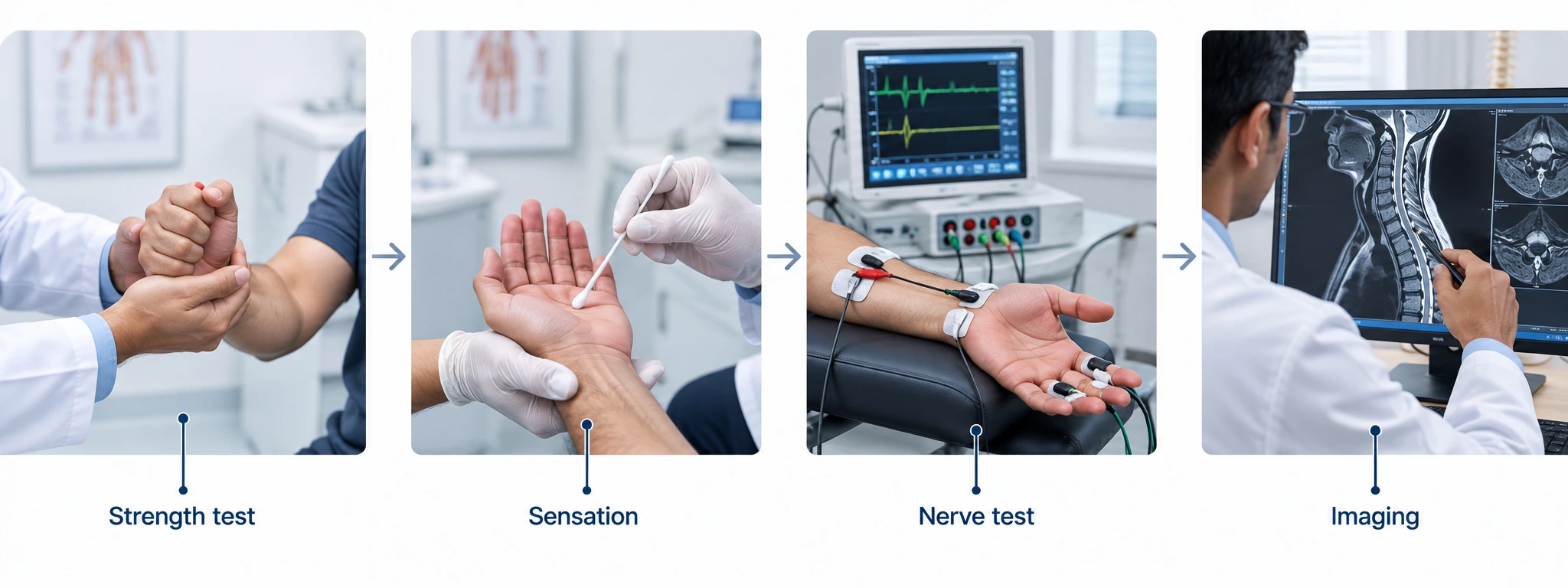
Our orthopaedic specialists employ comprehensive evaluation methods to identify the source of hand weakness:
Clinical examination includes:
- Detailed neurological assessment testing individual muscle strength
- Provocative tests to identify specific nerve compression sites
- Range of motion evaluation
- Sensory testing to map affected nerve distributions
Advanced diagnostic tools:
- Nerve conduction studies to measure electrical signals
- Electromyography (EMG) to assess muscle response
- MRI imaging of the cervical spine, shoulder, or hand
- X-rays to rule out structural abnormalities
Treatment Options for Nerve-Related Hand Weakness
Conservative Management
Most nerve-related weakness responds well to non-surgical interventions:
- Activity modification – Adjusting movements that compress nerves
- Splinting – Keeping joints in neutral positions, especially at night
- Physical therapy – Strengthening exercises and nerve gliding techniques
- Ergonomic adjustments – Workplace or home modifications
- Anti-inflammatory medications – When subtle inflammation contributes to compression
Advanced Interventions
When conservative treatment doesn’t provide adequate relief:
- Corticosteroid injections – Reducing inflammation around compressed nerves
- Surgical decompression – Releasing pressure on affected nerves
- Nerve transfer procedures – For severe or irreversible nerve damage
- Rehabilitation programs – Comprehensive therapy following surgery
Prevention Strategies
Protecting your nerves from compression or damage helps prevent weakness:
- Maintain neutral wrist positions during repetitive activities
- Take frequent breaks from activities requiring sustained grip
- Practice proper posture to prevent cervical and thoracic outlet problems
- Stay physically active to promote circulation and nerve health
- Manage underlying conditions like diabetes that affect nerve function
- Use ergonomic tools and equipment designed to reduce strain
When to Seek Medical Attention
While some hand weakness may seem minor, certain situations warrant prompt evaluation at an orthopaedic centre like Sancheti Hospital:
- Sudden loss of hand strength developing over hours or days
- Progressive weakness not improving with rest
- Weakness affecting your ability to perform daily activities
- Accompanying symptoms like visual changes, speech difficulties, or coordination problems
- History of trauma preceding the weakness
- Weakness in both hands developing simultaneously
Key Takeaways
Essential points to remember about hand weakness without pain:
- Painless hand weakness often indicates nerve compression or damage rather than muscle or bone injury
- Common causes include carpal tunnel syndrome, cubital tunnel syndrome, cervical radiculopathy, and peripheral neuropathy
- Weakness may affect one hand specifically or both hands symmetrically depending on the underlying cause
- Dropping objects and losing grip strength are typical early signs requiring medical evaluation
- Comprehensive neurological examination and diagnostic testing identify the specific nerve involvement
- Most nerve-related weakness responds well to conservative treatment when addressed early
- Ergonomic modifications and preventive strategies reduce risk of nerve compression
- Prompt evaluation prevents progression and improves treatment outcomes
At Sancheti Hospital, our experienced orthopaedic and neurology teams provide specialized care for patients experiencing hand weakness. If you’re noticing changes in your hand strength or finding yourself dropping things more frequently, schedule an evaluation to identify the cause and receive appropriate treatment. Early intervention often prevents permanent nerve damage and restores full hand function.