Home
Home PG College
 Patient Login
 Sancheti Clinic
 Contact Us
 Download Reports
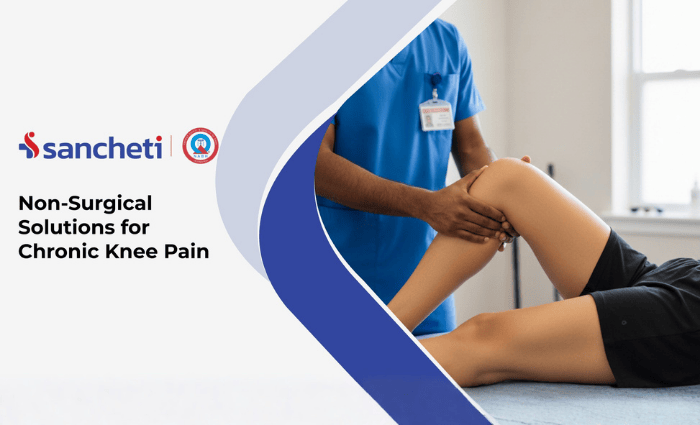

Non-Surgical Solutions for Chronic Knee Pain
Chronic knee pain affects millions of people, limiting movement, daily comfort, and long-term quality of life. While knee surgery is sometimes necessary, many individuals can manage symptoms effectively without surgery. Non-invasive strategies are often the first line of care, especially for osteoarthritis, meniscal irritation, patellofemoral pain, or chronic overuse injuries. With the right combination of strengthening, lifestyle adjustments, and targeted therapies, patients can reduce pain, improve stability, and return to normal activities.
This guide explains the most effective knee pain treatment without surgery, outlines evidence-based therapies, and helps you understand when conservative care may be enough. Whether you’re dealing with arthritis, long-standing injury, or mechanical knee strain, these scientifically supported methods offer meaningful, lasting relief.
Understanding Chronic Knee Pain
Chronic knee pain usually develops gradually due to repetitive stress, cartilage wear, inflammation, or muscular imbalance. Conditions like osteoarthritis, tendinitis, ligament strain, or patellofemoral pain syndrome make everyday tasks difficult – climbing stairs, standing up from a chair, or walking long distances.
Non-surgical pathways aim to reduce inflammation, strengthen support structures, improve mobility, and optimize alignment. For most people, these options form the core of effective arthritis knee treatment and help delay or avoid surgery altogether. Early intervention produces the best results by preventing worsening symptoms and preserving knee function.
1. Targeted Physical Therapy and Strengthening
Physical therapy is widely considered the best treatment for knee pain without surgery. Strengthening key muscle groups reduces stress on the knee joint and improves stability.
How It Works
Therapists focus on:
- Quadriceps strengthening (sit-to-stand, mini squats, leg raises)
- Glute and hip muscle activation (bridges, clamshells, side-step exercises)
- Stretching of calves, quadriceps, hamstrings, and IT band
- Low-impact aerobic exercise such as cycling, walking, or swimming
Strengthening improves alignment, reduces joint load, and enhances shock absorption. For conditions like osteoarthritis, it is as effective as arthroscopy when performed consistently.
2. Weight Management and Lifestyle Adjustments
Excess weight increases the load on the knee with each step. Even losing a few kilograms significantly reduces pain and slows joint degeneration.
Key Lifestyle Changes
- Adopting a Mediterranean-style diet rich in whole grains, fruits, vegetables, and healthy fats
- Switching from high-impact workouts to low-impact options like water aerobics, elliptical training, or cycling
- Avoiding deep squats, prolonged kneeling, and heavy lifting that aggravate symptoms
Improving lifestyle habits supports long-term knee arthritis treatment without surgery and reduces the inflammatory burden on the joints.
3. Medications and Topical Treatments
Medication can help control pain and inflammation while you build long-term strength.
Options Include
- Paracetamol for mild pain
- NSAIDs such as ibuprofen or naproxen (oral or topical) under medical supervision
- Topical creams and gels, including menthol-based rubs, capsaicin, or diclofenac
Topical treatments can be effective for patients who want milder symptom control with fewer systemic side effects. They often function as an accessible knee joint pain remedy during flare-ups.
4. Bracing, Supports, and Footwear
Supportive devices can significantly improve knee alignment and reduce joint load.
Useful Options
- Hinged braces for added stability
- Unloader braces for osteoarthritis in a specific knee compartment
- Neoprene sleeves for warmth and proprioception
- Orthotic inserts for flat feet or over-pronation
- Supportive footwear to improve shock absorption
These tools enhance the effectiveness of knee treatment without surgery, especially when combined with strengthening.
5. Injections That Avoid Major Surgery
Several minimally invasive injections can reduce pain and inflammation.
Common Options
- Corticosteroid injections: Provide short-term relief during inflammatory flare-ups
- Hyaluronic acid injections: Improve joint lubrication; may help selected patients delay surgery
- PRP or regenerative therapies: Used in some cases with variable results; best considered with a specialist
Injections are not cures, but they can support mobility and function, making them valuable alternative therapies for osteoarthritis.
6. Physiotherapy Modalities and Adjunct Therapies
These therapies support active rehabilitation but should not replace strengthening programs.
Examples
- TENS (electrical stimulation) for pain relief
- Therapeutic ultrasound
- Low-level laser therapy
- Moist heat or cold therapy during flare-ups
These modalities help manage symptoms and improve the effectiveness of exercise-based knee arthritis treatment without surgery.
7. Activity Pacing and Pain Management Strategies
Many people fall into the “boom-and-bust” cycle – overdoing activity on good days and crashing on painful days. Learning to pace activities helps prevent flare-ups and supports steady progress.
Effective Strategies
- Break large tasks into smaller activities
- Take scheduled rest breaks
- Maintain good sleep habits
- Use relaxation techniques to lower pain sensitivity
Pain science education empowers patients to stay active without worsening chronic pain.
8. Preventing Worsening Symptoms
Ignoring swelling, repeated locking, giving way, or severe night pain can lead to more damage.
Key Prevention Tips
- Monitor changes in pain patterns
- Address flare-ups early
- Stay consistent with strength and mobility exercises
- Maintain routine checkups
When conservative care is followed correctly, many people experience significant long-term improvement in knee function without surgery.
When Surgery Becomes Necessary
Non-surgical care is highly effective for most patients, but surgery may be needed when:
- Pain persists despite structured therapy
- There is clear structural damage on imaging
- Daily activities become severely limited
- Knee instability continues despite strengthening
Even then, non-surgical preparation improves overall surgical outcomes.
Sancheti Hospital: Expert Non-Surgical Knee Care
At Sancheti Hospital, we believe surgery is not the first step – it is the last resort. Our specialists design personalized plans focused on knee pain treatment without surgery, blending physiotherapy, lifestyle changes, targeted exercises, and supportive therapies to reduce pain and improve long-term mobility.
Whether you’re seeking the best treatment for knee pain, guidance on alternative therapies for osteoarthritis, or structured knee arthritis treatment without surgery, our team assesses your needs carefully and provides a clear, effective path to recovery. From strengthening programs to advanced physiotherapy techniques, we help you restore comfort and confidence without invasive procedures.
If chronic knee pain is affecting your daily life, Sancheti Hospital offers comprehensive, evidence-based care to help you move freely and live pain-free.