Paralytic Hand Conditions

Paralytic Hand Treatment in Pune

Get expert paralytic hand treatment in Pune with microsurgeons offering nerve repair, muscle reconstruction, and movement restoration.

Overview

Hand paralysis is the loss of movement or feeling in the hand that can significantly impact daily life. This condition happens when the nerves that control hand function become damaged or compressed. While it typically means a complete inability to move the hand, some forms may cause uncontrollable movements or tremors.

The human hand relies on three main nerves – the ulnar, radial, and median nerves. Each nerve controls different areas and functions of the hand. When even one of these nerves gets damaged, it can cause varying degrees of hand paralysis.

For people recovering from stroke or brain injury, hand paralysis usually affects one side of the body, specifically the hand opposite to where the brain damage occurred. The severity can range from mild weakness to complete paralysis, depending on how much damage occurred and where it’s located.

Symptoms

The symptoms of hand paralysis depend on which nerve is affected. Understanding these different signs helps doctors diagnose the condition accurately:

Ulnar Nerve Problems:

  • Tingling and weakness in the hand
  • Muscle wasting
  • “Claw hand” where fingers bend permanently
  • Difficulty with fine movements and grip

Radial Nerve Issues:

  • Weakness in fingers and wrist
  • Trouble extending the wrist and fingers
  • Difficulty opening or grasping objects

Median Nerve Damage:

  • Numbness or tingling in thumb, index, and middle fingers
  • Burning sensation in affected fingers
  • Problems using the thumb for pinching

Other common symptoms include:

  • Spasticity (involuntary muscle tightness)
  • Contractures (permanent stiffness of joints)
  • Loss of fine motor skills
  • Difficulty with daily activities

Causes

Hand paralysis typically results from damage to the nerves that control the hand. Several conditions can cause this nerve damage:

Neurological Causes:

  • Stroke – Most common cause, occurs when blood flow to the brain is interrupted
  • Brain injury – Traumatic injuries that affect motor control centers
  • Brain tumors
  • Brain hemorrhage
  • Multiple sclerosis

Nerve Compression:

  • Carpal tunnel syndrome
  • Cubital tunnel syndrome
  • Radial tunnel syndrome

Direct Injuries:

  • Nerve lacerations
  • Brachial plexus injuries

Medical Conditions:

  • Diabetes
  • Blood vessel inflammation
  • Infections affecting nerves

Risk Factors

Several factors increase the risk of developing hand paralysis:

  • Uncontrolled diabetes
  • High blood pressure
  • Cardiovascular disease
  • History of stroke
  • Previous nerve injuries
  • Repetitive hand motions
  • Age (risk increases with age)
  • Smoking
  • Obesity

Diagnosis

Diagnosing hand paralysis involves several steps to identify the cause and extent of damage:

Initial Assessment:

  • Detailed medical history
  • Physical examination of the affected hand and arm
  • Tests of arm and finger movement

Specialist Consultations:

  • Neurologist – Tests electrical activity in nerves and muscles
  • Orthopedic surgeon – Evaluates structural issues and surgical options

Diagnostic Tests:

  • Nerve conduction studies
  • Electromyography (EMG)
  • MRI or CT scans
  • Blood tests to check for underlying conditions

Types

Hand paralysis can be classified in several ways:

By Severity:

  • Hemiplegia – Complete paralysis on one side of the body
  • Hemiparesis – Weakness on one side of the body

By Affected Nerve:

  • Ulnar nerve paralysis
  • Radial nerve paralysis
  • Median nerve paralysis

By Cause:

  • Spasticity-related paralysis – Caused by severe muscle tightness
  • Flaccid paralysis – Complete loss of muscle tone

Treatment

While there’s no single cure for hand paralysis, combining different treatments can significantly improve function:

Surgical Options:

  • Nerve transfer surgery – Connects healthy nerves to damaged ones
  • Nerve grafts – Bridge damaged nerve pathways
  • Tendon transfer surgery – Redirects working tendons to paralyzed muscles
  • Neurolysis procedures – Releases trapped nerves

Medications:

  • Muscle relaxants to reduce spasticity
  • Antispasmodic drugs
  • Medications that enhance neural plasticity

Alternative Therapies:

  • Acupuncture – Can stimulate brain activity and boost recovery
  • Massage therapy
  • Biofeedback

Rehabilitation

Rehabilitation is the cornerstone of recovery from hand paralysis. Success depends on neuroplasticity – the brain’s ability to create new pathways and relearn lost skills.

Key Rehabilitation Approaches:

Physical Therapy:

  • Structured exercises to restore motion and strength
  • Passive range of motion exercises
  • Resistance training
  • Activities that simulate daily tasks

Occupational Therapy:

  • Focus on practical daily living skills
  • Training with adaptive equipment
  • Home environment modifications
  • Return to work preparation

Specialized Techniques:

  • Task-oriented training – Integrates affected hand into daily activities
  • Mirror therapy – Uses visual feedback to stimulate brain pathways
  • Constraint-induced movement therapy – Forces use of affected hand
  • Mental practice – Visualizing movements to activate neuroplasticity

Technology-Assisted Therapy:

  • Robotic devices for guided movements
  • Virtual reality systems
  • Electrical stimulation to activate muscles
  • Gaming-based therapy devices
Hand Therapy Exercises:

For Severely Affected Hands:

  • Gentle stretching exercises
  • Passive movements with assistance
  • Joint mobility exercises

Intermediate Exercises:

  • Household item activities (stacking coins, clothespins)
  • Board games and puzzles
  • Simple grasping exercises

Advanced Exercises:

  • Therapy ball exercises for strength
  • Therapy putty for dexterity
  • Complex manipulation tasks
  • Fine motor skill training

Complications

Without proper treatment, hand paralysis can lead to:

  • Muscle wasting (atrophy)
  • Permanent contractures
  • Chronic spasticity
  • Ongoing pain
  • Loss of independence
  • Depression and anxiety
  • Reduced quality of life

Prevention

While preventing the initial cause isn’t always possible, you can prevent worsening:

Preventing Progression:

  • Consistent rehabilitation and exercises
  • Use of splints and braces (hand orthosis)
  • Early treatment of spasticity
  • Regular medical follow-ups

Preventing Underlying Causes:

  • Control diabetes and blood pressure
  • Maintain healthy lifestyle
  • Avoid repetitive strain
  • Use proper ergonomics
  • Don’t smoke

Living With Nail Bed Injury

Living with hand paralysis is challenging, but recovery is possible with the right approach:

Keys to Success:

  • Stay persistent and motivated
  • Find engaging rehabilitation activities
  • Work with experienced therapists
  • Use adaptive equipment when needed
  • Connect with support groups
  • Focus on what you can do, not limitations

Daily Life Adaptations:

  • Learn new ways to perform tasks
  • Modify your home environment
  • Use assistive technology
  • Maintain social connections
  • Stay physically active

Remember that recovery only stops when you stop. The brain’s neuroplasticity means improvement is possible even years after the initial injury with consistent effort.

Key Takeaways

  • Hand paralysis affects millions of people and can result from various causes including stroke, brain injury, and nerve damage
  • Symptoms vary depending on which nerve is affected, ranging from weakness to complete loss of function
  • Early diagnosis and treatment are crucial for the best outcomes
  • Rehabilitation using neuroplasticity principles offers the most hope for recovery
  • Consistent hand therapy exercises and modern technology can significantly improve function
  • Prevention of complications through proper care is essential
  • With persistence and proper treatment, many people can regain significant hand function

At Sancheti Hospital, we’ve witnessed countless patients overcome the challenges of hand paralysis through our comprehensive rehabilitation programs. Our multidisciplinary team of neurologists, occupational therapists, physiotherapists, and rehabilitation specialists work together to create personalized treatment plans for each patient. 

We utilize cutting-edge technology including robotic therapy devices, electrical stimulation, and advanced hand therapy techniques to maximize recovery potential. Our patients benefit from our holistic approach that combines traditional rehabilitation methods with innovative treatments, ensuring they receive the most effective care possible. 

At Sancheti Hospital, we believe that every patient deserves the opportunity to regain their independence and quality of life, and we’re committed to supporting them throughout their recovery journey.

Patient Stories & Experiences

Vinita Singh
play circle svgrepo com 1 1

The pain in my left knee left me feeling helpless for years. After my treatment here, I can finally say I'm pain-free.

Vinita Singh

Parvati
play circle svgrepo com 1 1

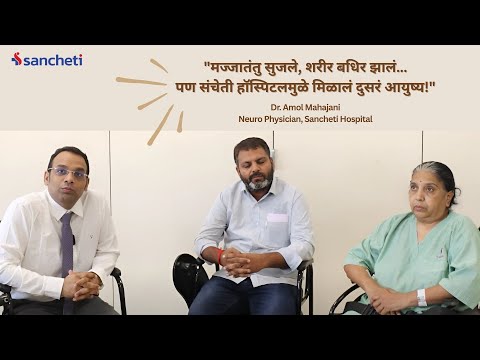
The nerves were swollen, and the body went numb. But thanks to Sancheti Hospital, I got a second life!

Parvati

Balaji Kharat
play circle svgrepo com 1 1

I finally could walk again, a relief I've only felt after the hip pain surgery. I thank the doctors at Sancheti Hospital for their help.

Balaji Kharat

Shantilal
play circle svgrepo com 1 1

I'm a police officer, and I'm extremely thankful to Sancheti Hospital for treating my fracture without surgery.

Shantilal

Kalpana Lepcha
play circle svgrepo com 1 1

My life has completely changed after the knee replacement surgery at Sancheti Hospital. It's like I can finally live again!

Kalpana Lepcha

Karuna
play circle svgrepo com 1 1

The knee pain I've carried for years finally went away with the help of Sancheti Hospital.

Karuna

Kishore Bhosle
play circle svgrepo com 1 1

I can't believe that I get to finally live a normal and happy life, all thanks to the knee surgery I had at Sancheti Hospital.

Kishore Bhosle

Frequently Asked Questions

Can a paralyzed hand recover completely?

Recovery is possible, especially with consistent rehabilitation. While complete recovery isn’t guaranteed, many people regain significant function through dedicated therapy and neuroplasticity-based treatments.

Recovery time varies greatly depending on the cause and severity. Some people see improvements within weeks, while others may take months or years. Consistent therapy is key to maximizing recovery.

The best exercises depend on your ability level. They range from passive stretching for completely paralyzed hands to advanced fine motor skill exercises using therapy balls and therapy putty.

No, surgery isn’t always needed. Many people recover function through rehabilitation alone. Surgery is considered when conservative treatments aren’t sufficient or for specific nerve injuries.

While you can’t always prevent the underlying causes, you can reduce risk by managing diabetes, controlling blood pressure, avoiding repetitive strain, and maintaining a healthy lifestyle.

Contact Us

(24/7 Support Line)
10am-> 05 pm
Democracy Blvd.

Follow Us

Chat