Finger Pain

Finger Pain Treatment in Pune

Get advanced finger pain treatment in Pune with orthopaedic experts offering diagnosis, therapy, and mobility recovery.

Overview

Finger pain affects millions of people worldwide and can make simple daily tasks incredibly difficult. Whether you’re typing, writing, or holding objects, hand pain can significantly impact your quality of life. This discomfort can range from a dull ache to sharp, throbbing sensations and may affect any finger, including the thumb.

Finger joint pain can develop suddenly from an injury or gradually from underlying medical conditions.

Symptoms

Finger pain presents differently depending on its cause, but common signs include:

  • Tenderness and sensitivity to touch
  • Burning or tingling sensations
  • Stiffness, especially in the morning
  • Numbness in the affected fingers
  • Swelling around joints or finger tissues
  • Color changes (purple, blue, or red discoloration)
  • Difficulty bending or straightening fingers
  • Catching or popping sounds when moving fingers
  • Tender lumps at the base of fingers
  • Weakness or reduced grip strength
  • Hand tremors
  • Visible deformity or displaced bones

Early symptoms often occur only during activity and may improve with rest. However, as conditions progress, pain can persist even when hands are not in use. The affected joints may feel warm and enlarged due to inflammation.

Causes

Finger pain stems from various sources, which can be grouped into several main categories:

Acute Injuries

Sudden trauma to the hands and fingers commonly causes immediate pain:

  • Finger fractures from falls, sports, or crushing accidents
  • Dislocation when bones are forced out of their normal position
  • Sprains involving overstretched or torn ligaments
  • Strains affecting muscles and tendons
  • Mallet finger from sports-related injuries
  • Cuts, puncture wounds, and smashed fingers
Overuse Injuries

Repetitive motions can gradually damage soft tissues:

  • Tendonitis from inflamed tendons
  • De Quervain’s tenosynovitis affecting thumb tendons
  • Carpal tunnel syndrome from compressed nerves
  • Bursitis involving inflamed fluid-filled sacs
Arthritis Conditions

Several types of arthritis commonly affect finger joints:

  • Osteoarthritis – wear-and-tear damage to joint cartilage
  • Rheumatoid arthritis – autoimmune attack on healthy tissues
  • Gout – crystal formation from high uric acid levels
Other Medical Conditions

Various health issues can cause finger pain:

  • Trigger finger with catching or locking movements
  • Dupuytren’s contracture causing permanent finger bending
  • Cysts and tissue growths
  • Infections (bacterial or viral)
  • Autoimmune diseases like lupus
  • Peripheral neuropathy from nerve damage
  • Raynaud’s syndrome affecting blood circulation
  • Tumors (rare but possible)

Risk Factors

Certain factors increase your likelihood of developing finger pain:

  • Age – osteoarthritis becomes more common with aging
  • Repetitive hand movements from work or hobbies
  • Contact sports and physically demanding jobs
  • Diabetes – increases risk for multiple hand conditions
  • Family history of arthritis or Dupuytren’s contracture
  • Gender – women face higher rates of rheumatoid arthritis
  • Existing autoimmune conditions
  • High uric acid levels leading to gout

Diagnosis

Proper diagnosis requires a comprehensive approach:

Your doctor will start with a detailed medical history, asking about your pain patterns, recent injuries, medications, and occupation. A physical examination follows, checking for swelling, tenderness, range of motion, and deformities.

Diagnostic tests may include:

  • X-rays to reveal fractures, dislocations, and joint damage
  • Additional imaging studies if needed
  • Nerve studies for suspected carpal tunnel syndrome or neuropathy
  • Blood tests to detect inflammatory markers or infections

For simple cuts or obvious growths, physical examination alone may be sufficient. However, persistent or unexplained pain requires thorough investigation.

Treatment

Treatment approaches vary based on the underlying cause but generally aim to reduce pain, control inflammation, and restore normal hand function.

Non-Surgical Treatment

Most finger pain cases respond well to conservative management:

  • Rest from aggravating activities
  • Splinting or bracing for support and protection
  • RICE therapy (Rest, Ice, Compression, Elevation) for acute injuries
  • Over-the-counter pain relievers like ibuprofen or acetaminophen
  • Topical pain creams with menthol or capsaicin
  • Activity modification to reduce repetitive strain
  • Heat therapy for muscle relaxation and improved circulation
  • Cortisone injections for severe inflammation
Prescription Medications

For specific conditions, doctors may prescribe:

  • Disease-modifying drugs for rheumatoid arthritis
  • Stronger anti-inflammatory medications
  • Colchicine for gout attacks
  • Antibiotics for bacterial infections
  • Nerve pain medications for neuropathy
  • Immunosuppressive drugs for autoimmune conditions
Surgical Treatment

Surgery becomes necessary when conservative treatments fail:

  • Tendon and ligament repair
  • Release procedures for carpal tunnel syndrome or trigger finger
  • Cyst removal through aspiration or surgical excision
  • Fasciotomy for Dupuytren’s contracture
  • Joint replacement for severe arthritis
  • Joint fusion to eliminate pain
  • Tumor removal when required

Rehabilitation

Rehabilitation plays a crucial role in recovery, whether after surgery or as part of conservative treatment:

  • Activity modifications to reduce finger strain
  • Gentle stretching exercises to improve flexibility
  • Strengthening exercises for hand and arm muscles
  • Fine motor skill training to restore dexterity
  • Splint or brace use as recommended
  • Self-management techniques for pain control

Physical therapy sessions may continue for several weeks, focusing on pain control, swelling reduction, and gradual return to normal activities.

Complications

Untreated or poorly managed finger pain can lead to serious complications:

  • Decreased hand function and finger mobility
  • Reduced range of motion in affected joints
  • Loss of grip strength affecting daily activities
  • Impaired fine motor skills for writing and detailed tasks
  • Difficulty with work, sports, or hobbies
  • Psychological impact from chronic pain
  • Progressive deformities, especially with arthritis
  • Development of secondary conditions

Early intervention and proper treatment help prevent these complications and preserve hand function.

Prevention

While not all causes of finger pain are preventable, these strategies can reduce your risk:

  • Take regular breaks during repetitive hand activities
  • Use proper protective gear during sports and work
  • Manage chronic conditions like diabetes effectively
  • Maintain a healthy weight to reduce joint stress
  • Make ergonomic adjustments to your workspace
  • Practice good hand hygiene to prevent infections
  • Stay physically active to maintain joint flexibility

Living With Finger Pain

Managing chronic finger pain requires ongoing attention and lifestyle adjustments:

  • Follow prescribed exercise routines consistently
  • Protect your hands from extreme temperatures
  • Stay informed about your condition and treatment options
  • Work closely with your healthcare team
  • Maintain gentle movement to prevent stiffness

Pain management becomes a daily priority, but with proper care, most people can maintain good hand function and quality of life.

Key Takeaways

  • Finger pain has numerous causes, from simple injuries to complex arthritis conditions
  • Early diagnosis and treatment prevent complications and preserve hand function
  • Conservative treatments work well for most cases, with surgery reserved for severe situations
  • Rehabilitation and ongoing self-care are essential for optimal recovery
  • Prevention strategies can significantly reduce your risk of developing finger pain

At Sancheti Hospital, we have witnessed firsthand how debilitating finger pain can be for patients. Our comprehensive orthopedic and hand surgery department specializes in diagnosing and treating all types of finger and hand conditions

We offer advanced diagnostic imaging, minimally invasive surgical techniques, and comprehensive rehabilitation programs. Our experienced hand surgeons and physical therapists work together to create personalized treatment plans that address each patient’s specific needs. 

Whether you’re dealing with arthritis, carpal tunnel syndrome, trigger finger, or complex hand injuries, our multidisciplinary team is equipped to help you regain hand function and return to your daily activities pain-free.

Patient Stories & Experiences

Vinita Singh
play circle svgrepo com 1 1

The pain in my left knee left me feeling helpless for years. After my treatment here, I can finally say I'm pain-free.

Vinita Singh
Parvati
play circle svgrepo com 1 1

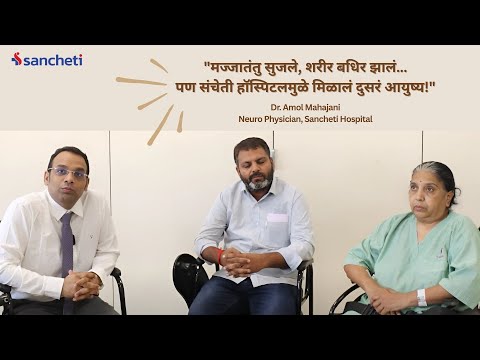
The nerves were swollen, and the body went numb. But thanks to Sancheti Hospital, I got a second life!

Parvati

Balaji Kharat
play circle svgrepo com 1 1

I finally could walk again, a relief I've only felt after the hip pain surgery. I thank the doctors at Sancheti Hospital for their help.

Balaji Kharat

Shantilal
play circle svgrepo com 1 1

I'm a police officer, and I'm extremely thankful to Sancheti Hospital for treating my fracture without surgery.

Shantilal

Kalpana Lepcha
play circle svgrepo com 1 1

My life has completely changed after the knee replacement surgery at Sancheti Hospital. It's like I can finally live again!

Kalpana Lepcha

Karuna
play circle svgrepo com 1 1

The knee pain I've carried for years finally went away with the help of Sancheti Hospital.

Karuna

Kishore Bhosle
play circle svgrepo com 1 1

I can't believe that I get to finally live a normal and happy life, all thanks to the knee surgery I had at Sancheti Hospital.

Kishore Bhosle

Frequently Asked Questions

Why does my finger pain get worse at night or when I wake up?

Morning stiffness and nighttime pain are common with arthritis and inflammatory conditions. During sleep, joints become stiff from inactivity, and inflammatory substances build up. Carpal tunnel syndrome also worsens at night due to wrist positioning during sleep.

Yes, cold temperatures can increase joint stiffness and reduce blood flow to your hands. People with arthritis or Raynaud’s syndrome often experience more pain during winter months. Keeping hands warm with gloves can help reduce symptoms.

Healing time varies greatly – minor injuries may heal in 1-2 weeks, while fractures take 6-8 weeks. Chronic conditions like arthritis require ongoing management. Tendonitis usually improves in 2-6 weeks with proper treatment.

Yes, pain can radiate due to connected nerves and tissues. Carpal tunnel syndrome often causes pain from fingers to forearm. Arthritis in finger joints can also affect the wrist. However, spreading pain should be evaluated by a doctor.

Not necessarily. Many conditions respond well to physical therapy, injections, or splinting before considering surgery. Surgery is typically reserved for severe cases, complete tendon tears, or when conservative treatments fail after several months.

Contact Us

(24/7 Support Line)
10am-> 05 pm
Democracy Blvd.

Follow Us

Chat