Fractures

Hand Fracture Treatment in Pune

Get specialized hand fracture treatment in Pune with orthopaedic surgeons providing bone fixation and functional restoration.

Overview

A broken wrist is one of the most common bone injuries, affecting millions of people each year. Your wrist consists of 10 bones – the larger radius and smaller ulna bones in your forearm, plus eight small carpal bones at the base of your hand. When any of these bones break, it’s called a wrist fracture.

The radius bone is most commonly injured, especially the lower end near the wrist joint. While broken wrist injuries often result from falls onto an outstretched hand, they can also occur during car accidents, sports activities, or even minor falls in older adults.

Symptoms

Recognizing fractured wrist symptoms is important for getting prompt medical care. The signs can vary based on how severe the break is and which bone is affected. 

Common symptoms include:

  • Severe and persistent pain that worsens when moving your wrist or gripping objects
  • Swelling around the injured area
  • Tenderness when touching the wrist
  • Bruising and discoloration of the skin
  • Stiffness and limited range of motion
  • Visible deformity where the wrist appears bent or misshapen
  • Numbness or tingling in your fingertips
  • Warmth and redness around the injury site

Causes

The most common cause is falling onto an outstretched hand, whether your wrist bends backward or forward during the fall.

The reasons for broken wrist injuries differ by age group:

Younger People:

  • High-energy accidents like car crashes
  • Falls from significant heights
  • Sports-related injuries
  • These fractures can happen even in healthy, strong bones if the impact is severe enough

People Over 60:

  • Simple falls from standing position
  • Minor trips or slips
  • Weakened bones make older adults more vulnerable to fractures from low-impact incidents

Risk Factors

Several factors can increase your chances of experiencing a wrist fracture:

  • Osteoporosis – significantly weakens bones, making them more likely to break
  • Decreased bone density (osteopenia) – a condition that comes before osteoporosis
  • Being female – women over 60 have higher fracture rates
  • Family history of osteoporosis or fractures
  • Early menopause in women
  • Age over 60 – bone changes and increased fall risk
  • High-energy activities – sports with fall risks like skiing or skateboarding

Diagnosis

Getting an accurate diagnosis involves both physical examination and imaging tests. Here’s what to expect:

Physical Examination: Your doctor will carefully examine your wrist, gently moving it in different directions to check for pain, tenderness, swelling, and deformity. They’ll ask about your symptoms and how the injury happened.

Imaging Tests: 

  • X-rays – Usually the first test to confirm a fracture and see how the bones are positioned
  • CT scan – Provides detailed 3D images, especially helpful for complex fractures
  • MRI scan – Used to check for soft tissue damage and hidden fractures that don’t show up on X-rays
  • Bone scan – Sometimes used to detect fractures that aren’t visible on initial X-rays

Some fractures might not be immediately visible on the first X-ray but become more obvious over time, so follow-up imaging may be necessary.

Types

Wrist fracture types vary based on which bone breaks and how the fracture occurs:

Most Common Types:

  • Distal radius fracture – Break in the radius bone near the wrist joint (most frequent type)
  • Colles fracture – Occurs when falling on outstretched hand with wrist bent backward
  • Smith fracture – Happens when falling with hand bent forward
  • Scaphoid fracture – Break in one of the small carpal bones, common in young men

Fracture Classifications:

  • Displaced vs. non-displaced – Whether bone pieces have moved out of position
  • Stable vs. unstable – Whether bone pieces stay in place or tend to shift
  • Open vs. closed – Whether bone breaks through the skin
  • Simple vs. comminuted – Whether bone breaks into two pieces or multiple fragments

Treatment

Treatment for a broken wrist depends on the severity of the fracture, your age, activity level, and which hand is affected. The goal is to ensure proper bone alignment and stability during healing.

Non-Surgical Treatment: When bones are in good position or can be realigned without surgery:

  • Reduction – Realigning displaced bones without surgery
  • Immobilization – Using splints or casts to keep bones in proper position
  • Monitoring – Regular X-rays to ensure bones stay aligned during healing

Surgical Treatment: Wrist surgery may be necessary when:

  • Bones cannot be properly aligned without surgery
  • Fracture is unstable and likely to move
  • Bone breaks through the skin (open fracture)

Surgical Options:

  • Plates and screws – Most common method for securing bones
  • Metal pins – Often used in children
  • External fixator – Frame outside the body holding bones in place
  • Bone grafts – Added when bone is severely damaged

Rehabilitation

Recovery doesn’t end when your cast comes off. Rehabilitation is crucial for regaining full function of your wrist.

Early Recovery:

  • Keep fingers, elbow, and shoulder moving while in cast
  • Follow healthcare provider’s guidance on when to start wrist movement
  • Use removable splints between therapy sessions

Physical Therapy: Once your cast is removed or after wrist surgery, physical therapy typically includes:

  • Range of motion exercises
  • Strengthening activities
  • Grip improvement exercises
  • Gradual return to daily activities

Activity Timeline:

  • Light activities like swimming: 1-2 months after cast removal
  • More vigorous activities: 3-6 months post-injury
  • Full wrist fracture healing time: 6-12 months for complete recovery

Complications

While most people recover fully, potential complications include:

  • Nerve and blood vessel damage – Can cause numbness, tingling, or circulation problems
  • Tendon rupture – Tendons in the arm may tear
  • Carpal tunnel syndrome – Numbness and tingling in the hand
  • Arthritis – May develop years later, especially with joint fractures
  • Chronic pain or stiffness – Can last up to two years or become permanent
  • Poor healing – Bones may not heal properly or take longer than expected
  • Infection – Risk with open fractures or after surgery

Prevention

While many wrist fracture injuries are unpredictable, you can reduce your risk:

Bone Health:

  • Maintain good nutrition with adequate calcium and vitamin D
  • Get regular exercise to strengthen bones
  • Talk to your doctor about osteoporosis screening and treatment
  • Follow medication recommendations for bone health

Fall Prevention:

  • Keep your home well-lit and free of tripping hazards
  • Use handrails on stairs
  • Wear appropriate footwear
  • Consider balance training if you’re at higher risk of falls

Living With Dupuytren's Contracture

Adjusting to life with a broken wrist requires patience and following your medical team’s instructions.

Daily Management:

  • Take pain medications as prescribed
  • Elevate your arm above heart level to reduce swelling
  • Apply ice for 5-10 minutes at a time
  • Keep your cast clean and dry
  • Don’t insert anything into your cast

Activity Modifications:

  • Avoid lifting anything heavier than a teacup with the injured hand
  • Don’t smoke, as it slows healing
  • Avoid driving 
  • Stay active with approved exercises

Warning Signs: Contact your healthcare provider immediately if you experience:

  • Increased pain or swelling
  • Numbness or tingling lasting more than six hours
  • Fingers turning blue or white
  • Signs of infection like fever or foul odor from cast

Key Takeaways

  • Wrist fractures are common injuries that most often affect the radius bone
  • Fractured wrist symptoms include severe pain, swelling, tenderness, and sometimes visible deformity
  • Treatment ranges from casting to wrist surgery depending on fracture severity
  • Wrist fracture healing time typically takes 6-12 months for full recovery
  • Physical therapy is essential for regaining strength and function
  • Prevention focuses on maintaining bone health and avoiding falls

At Sancheti Hospital, a trusted name in orthopedic care, we have helped countless patients recover successfully from wrist fractures with the right combination of treatment and rehabilitation. 

We understand that a broken wrist can disrupt your daily routine and limit your ability to perform essential tasks. Our team is dedicated to providing expert care, personalized support, and advanced rehabilitation to ensure you regain full function and return to your normal activities as quickly and safely as possible.

Our experienced team of orthopedic surgeons and rehabilitation specialists work together to provide comprehensive care from diagnosis through complete recovery. We use the latest surgical techniques when wrist surgery is needed and have state-of-the-art facilities for both surgical and non-surgical treatment options. 

Our physical therapy department helps patients regain full function through personalized rehabilitation programs. Whether you’re dealing with a simple fracture that needs casting or a complex injury requiring surgery, we’re committed to helping you achieve the best possible outcome and return to your normal activities as quickly and safely as possible.

Patient Stories & Experiences

Vinita Singh
play circle svgrepo com 1 1

The pain in my left knee left me feeling helpless for years. After my treatment here, I can finally say I'm pain-free.

Vinita Singh
Parvati
play circle svgrepo com 1 1

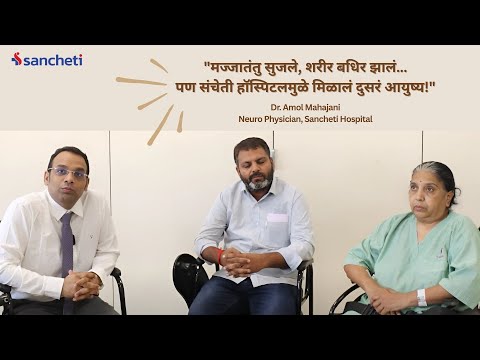
The nerves were swollen, and the body went numb. But thanks to Sancheti Hospital, I got a second life!

Parvati

Balaji Kharat
play circle svgrepo com 1 1

I finally could walk again, a relief I've only felt after the hip pain surgery. I thank the doctors at Sancheti Hospital for their help.

Balaji Kharat

Shantilal
play circle svgrepo com 1 1

I'm a police officer, and I'm extremely thankful to Sancheti Hospital for treating my fracture without surgery.

Shantilal

Kalpana Lepcha
play circle svgrepo com 1 1

My life has completely changed after the knee replacement surgery at Sancheti Hospital. It's like I can finally live again!

Kalpana Lepcha
Karuna
play circle svgrepo com 1 1

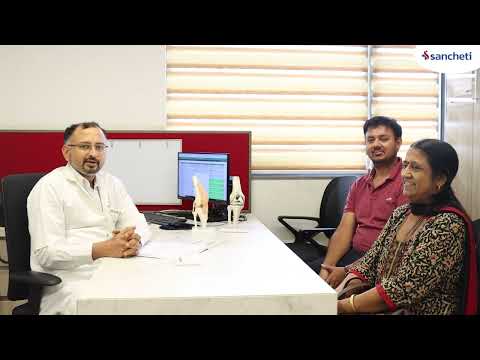
The knee pain I've carried for years finally went away with the help of Sancheti Hospital.

Karuna

Kishore Bhosle
play circle svgrepo com 1 1

I can't believe that I get to finally live a normal and happy life, all thanks to the knee surgery I had at Sancheti Hospital.

Kishore Bhosle

Frequently Asked Questions

Will my wrist ever feel completely normal again after a fracture?

Most people regain 80-90% of their original wrist function. Some mild stiffness or occasional aching during weather changes is normal and may persist for 1-2 years or longer.

Never let your cast get wet as it can weaken and cause skin problems. Use a plastic bag sealed with tape around your cast while showering, or consider waterproof cast covers available at pharmacies.

Office workers can often return in 1-2 weeks with accommodations, while manual laborers may need 2-3 months. It depends on your job requirements and whether it’s your dominant hand.

Yes, finger stiffness and mild swelling are completely normal after weeks in a cast. Gentle finger exercises and elevation help, but full flexibility may take several weeks to return.

Nighttime pain is common because lying flat increases blood flow to the injury. Keep your wrist elevated on pillows above heart level and take pain medication before bedtime.

Contact Us

(24/7 Support Line)
10am-> 05 pm
Democracy Blvd.

Follow Us

Chat