Osteoarthritis

Hand Osteoarthritis Treatment in Pune

Get expert hand osteoarthritis treatment in Pune with specialists providing pain relief, joint therapy, and surgical solutions.

Overview

Osteoarthritis is the most common form of arthritis, affecting millions of people around the world. Often called wear and tear arthritis, this condition goes beyond simple cartilage damage and affects the entire joint structure. 

Osteoarthritis (OA) is a degenerative joint disease that involves progressive changes throughout the joint. Unlike what many people think, it’s not just about cartilage wearing away. This degenerative disease affects multiple joint components including cartilage, bones underneath the cartilage, ligaments, and the joint lining.

The condition commonly affects weight-bearing joints like the hips and knees, but can also occur in the spine, hands, and wrists.

Symptoms

The primary osteoarthritis signs and symptoms include:

  • Joint pain that may be constant or come and go
  • Joint stiffness, especially after periods of rest or in the morning
  • Swelling around the affected joint
  • Tenderness when touching the joint
  • A grating sensation when moving the joint
  • Loss of flexibility and range of motion

Joint pain is often the first sign people notice. The pain can worsen with activity and improve with rest. Early signs of arthritis may be subtle, but recognizing them early can help with better treatment outcomes.

Osteoarthritis vs Arthritis: Understanding the Difference

Many people wonder about the difference between arthritis and osteoarthritis. Arthritis is a general term for joint inflammation and includes over 100 different conditions. Osteoarthritis is just one type of arthritis – specifically, the degenerative type caused by wear and tear on joints over time.

Other types of arthritis, like rheumatoid arthritis, are autoimmune conditions where the body’s immune system attacks the joints.

Causes & Risk factors

Osteoarthritis causes can be divided into two main categories:

Primary Osteoarthritis: 

  • Age-related changes in joints
  • Genetic factors that make some people more susceptible

Secondary Osteoarthritis:

  • Previous joint injuries or trauma
  • Obesity putting extra stress on weight-bearing joints
  • Repetitive stress from certain jobs or activities
  • Other medical conditions like diabetes
  • Joint problems present from birth

Risk factors that increase your chances of developing this degenerative bone disease include: 

  • Getting older
  • Family history of arthritis
  • Previous joint injuries or surgeries
  • Being overweight or obese
  • Jobs or sports that stress joints repeatedly
  • Muscle weakness, particularly around the knees

Types of Osteoarthritis

Osteoarthritis can affect different joints, leading to various types:

  • Knee Osteoarthritis: The most common type, often showing osteoarthritic changes in knee on X-rays
  • Hip Osteoarthritis: Affects the hip joint and can significantly impact mobility
  • Osteoarthritis wrist: Less common but can affect daily activities
  • Spine Osteoarthritis: Involves narrowing of discs and bone spur formation
  • Hand Osteoarthritis: Can make gripping and fine motor tasks difficult

Diagnosis

Healthcare providers use several methods to diagnose this condition:

Medical History and Physical Exam: Your doctor will ask about your symptoms, family history, and examine the affected joints for tenderness, swelling, and range of motion.

Imaging Tests: 

  • X-rays: Show joint space narrowing and osteophytes and osteoarthritis changes
  • MRI scans: Provide detailed images of cartilage, ligaments, and bone changes

Laboratory Tests: Sometimes joint fluid analysis is performed to rule out other types of arthritis or infections.

Treatment

Treatment of osteoarthritis involves both non-surgical and surgical approaches aimed at reducing pain and improving joint function.

Non-Surgical Osteoarthritis Treatment

Lifestyle Changes:

  • Weight management to reduce stress on joints
  • Regular osteoarthritis physical exercise to maintain joint flexibility
  • Hot and cold therapy for pain relief
  • Using supportive devices like braces when needed

Medications:

  • Pain relievers like acetaminophen for mild to moderate pain
  • Anti-inflammatory drugs (NSAIDs) to reduce pain and swelling
  • Topical arthritis cream applied directly to the skin
  • Osteoarthritis medications prescribed based on individual needs

Injectable Treatments:

  • Corticosteroid injections for short-term pain relief
  • Hyaluronic acid injections to improve joint lubrication
  • PRP for osteoarthritis (Platelet-Rich Plasma) as an emerging treatment option

Physical Therapy: Regular osteoarthritis therapy with a trained therapist can help maintain joint function and reduce pain through targeted exercises and techniques.

Surgical Osteoarthritis Treatment

When non-surgical methods are no longer effective, surgical options may be considered:

  • Joint replacement surgery for severely damaged joints
  • Osteotomy to realign bones and redistribute weight
  • Arthroscopy for minor repairs, though its effectiveness for degenerative osteoarthritis is debated

Joint fusion for smaller joints when other options aren’t suitable

Prevention

While you can’t prevent all cases, you can reduce your risk:

  • Maintain a healthy weight to reduce joint stress
  • Exercise regularly to keep joints flexible and muscles strong
  • Protect joints from injury during sports and work activities
  • Strengthen muscles around joints, especially the knees
  • Use proper techniques and protective equipment during physical activities

Treat Osteoarthritis at Home

Osteoarthritis treatment at home can complement professional medical care:

  • Apply heat or cold packs to painful joints
  • Do gentle exercises and stretches daily
  • Maintain a healthy diet to support joint health
  • Get adequate rest and sleep
  • Use assistive devices to reduce joint stress during daily activities

Living with Osteoarthritis

Management of osteoarthritis is an ongoing process that requires patience and commitment. Many osteoarthritis patients successfully manage their condition for years without surgery by:

  • Following their treatment plan consistently
  • Staying active with appropriate exercises
  • Managing their weight effectively
  • Working closely with their healthcare team
  • Learning about their condition and treatment options

Key Takeaways

  • Osteoarthritis is a progressive degenerative joint disease affecting millions worldwide
  • Early signs of arthritis include joint pain, stiffness, and reduced range of motion
  • The condition affects the entire joint structure, not just cartilage
  • Risk factors include age, genetics, previous injuries, obesity, and repetitive joint stress
  • Diagnosis involves medical history, physical examination, and imaging tests
  • Treatment options range from lifestyle changes and medications to surgical interventions
  • While there’s no cure, effective management of osteoarthritis can significantly improve quality of life
  • Prevention strategies focus on maintaining healthy weight, regular exercise, and joint protection
  • Early diagnosis and treatment lead to better long-term outcomes

Sancheti Hospital stands as a leading institution in orthopedic care and arthritis treatment, offering comprehensive services for osteoarthritis patients. With a team of experienced orthopedic specialists, the hospital provides advanced diagnostic facilities, cutting-edge treatment options, and personalized care plans for individuals suffering from degenerative joint disease

From conservative management approaches including physical therapy and injection treatments to advanced surgical procedures like joint replacement, Sancheti Hospital combines medical expertise with compassionate care. 

Our multidisciplinary approach includes pain management specialists, physiotherapists, and rehabilitation experts who work together to help patients achieve optimal outcomes. Whether you’re dealing with early osteoarthritis or advanced degenerative changes, Sancheti Hospital’s commitment to excellence in orthopedic care ensures that each patient receives the most appropriate and effective treatment for their specific condition, helping them return to an active, pain-free lifestyle.

Patient Stories & Experiences

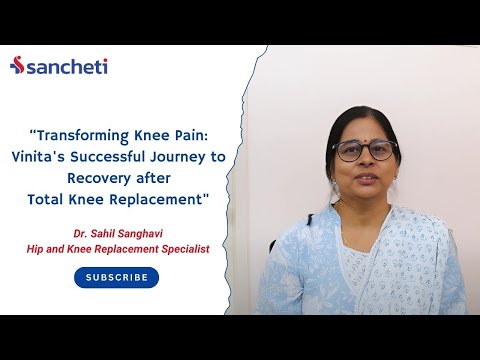
Vinita Singh
play circle svgrepo com 1 1

The pain in my left knee left me feeling helpless for years. After my treatment here, I can finally say I'm pain-free.

Vinita Singh
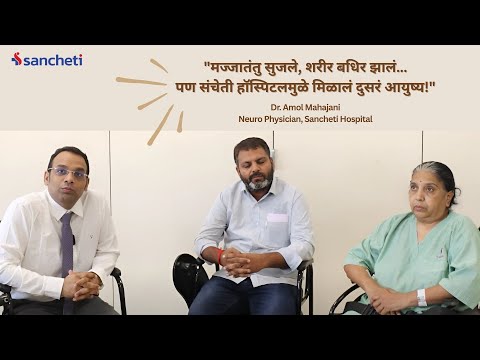
Parvati
play circle svgrepo com 1 1

The nerves were swollen, and the body went numb. But thanks to Sancheti Hospital, I got a second life!

Parvati
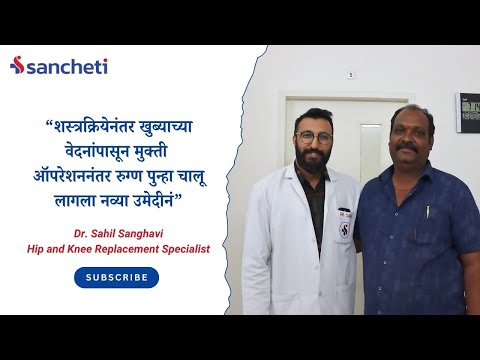
Balaji Kharat
play circle svgrepo com 1 1

I finally could walk again, a relief I've only felt after the hip pain surgery. I thank the doctors at Sancheti Hospital for their help.

Balaji Kharat
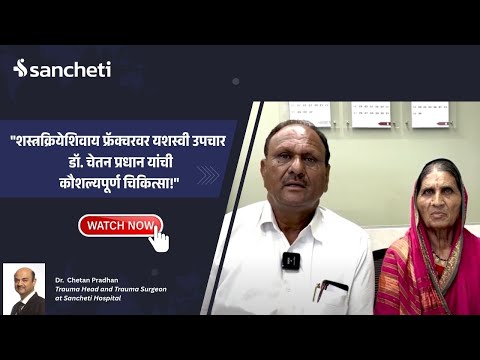
Shantilal
play circle svgrepo com 1 1

I'm a police officer, and I'm extremely thankful to Sancheti Hospital for treating my fracture without surgery.

Shantilal

Kalpana Lepcha
play circle svgrepo com 1 1

My life has completely changed after the knee replacement surgery at Sancheti Hospital. It's like I can finally live again!

Kalpana Lepcha
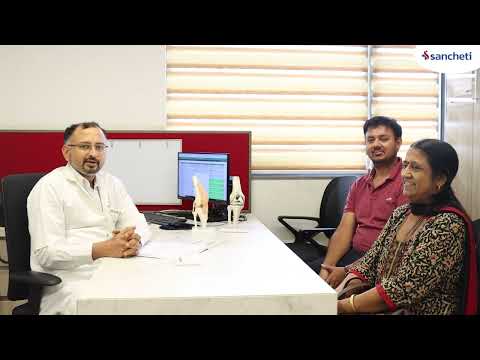
Karuna
play circle svgrepo com 1 1

The knee pain I've carried for years finally went away with the help of Sancheti Hospital.

Karuna

Kishore Bhosle
play circle svgrepo com 1 1

I can't believe that I get to finally live a normal and happy life, all thanks to the knee surgery I had at Sancheti Hospital.

Kishore Bhosle

Frequently Asked Questions

Will my osteoarthritis pain get worse during monsoon or cold weather?

Yes, many people with osteoarthritis notice increased joint pain and stiffness during humid or cold weather. Changes in barometric pressure can affect joint fluid and make symptoms more noticeable. Keeping joints warm and staying active can help reduce weather-related discomfort.

There’s no specific timeline, but surgery is typically considered when pain severely limits daily activities, sleep is disrupted regularly, and non-surgical treatments no longer provide adequate relief. Most doctors recommend trying conservative treatments for at least 3-6 months before discussing surgical options.

You can often continue sports, but may need to modify activities. Low-impact sports like swimming, cycling, or walking are generally better than high-impact activities like running or contact sports. Consult your doctor about which activities are safe for your specific condition and joint involvement.

Yes, it’s common for osteoarthritis to develop in several joints, especially as you age. If you have it in one knee, the other knee has a higher risk of developing it too. However, the severity and timing can vary significantly between different joints.

While no specific diet cures osteoarthritis, reducing processed foods, excess sugar, and maintaining a healthy weight can help. Anti-inflammatory foods like fish, leafy greens, and berries may provide some benefit. However, dietary changes should complement, not replace, medical treatment.

Contact Us

(24/7 Support Line)
10am-> 05 pm
Democracy Blvd.

Follow Us

Chat