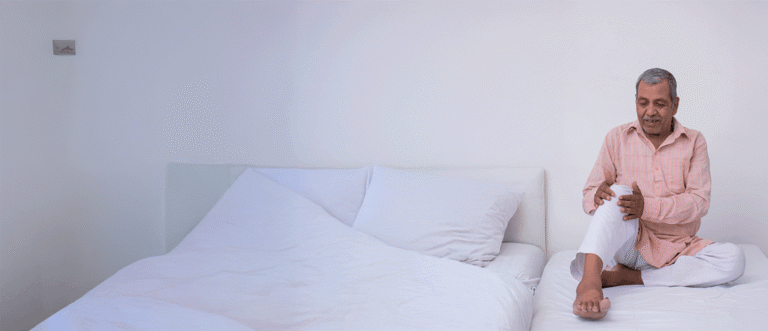
Rheumatoid Arthritis

Rheumatoid Arthritis Treatment Pune

Get advanced rheumatoid arthritis treatment in Pune with orthopedic specialists providing pain management, joint reconstruction, and long-term care.

Overview

Rheumatoid arthritis is a chronic autoimmune condition that primarily targets the joints, causing pain, swelling, and stiffness that can significantly impact daily life. Unlike regular wear-and-tear arthritis, this condition occurs when your immune system mistakenly attacks healthy joint tissue, particularly the synovium (joint lining). This attack leads to inflammation that thickens the joint lining and can eventually destroy cartilage and bone.

What makes rheumatoid arthritis unique is its symmetrical pattern—if it affects your right wrist, it typically affects your left wrist too. The condition commonly involves joints in the hands, wrists, feet, knees, and elbows, but it can also affect other body systems including the heart, lungs, and eyes. Early recognition and proper management are crucial for preventing permanent joint damage and maintaining quality of life.

Symptoms

Rheumatoid arthritis symptoms develop gradually, though some people experience rapid onset. The condition follows a pattern of flare-ups (active symptoms) and remission periods (reduced symptoms).

Joint-Related Symptoms
  • Morning stiffness: Lasting more than 30 minutes, particularly noticeable upon waking
  • Joint pain: Often described as throbbing or aching, worse after periods of inactivity
  • Swelling and warmth: Affected joints appear puffy and feel warm to touch
  • Symmetrical involvement: Both sides of the body are typically affected equally
  • Rheumatoid nodules: Firm lumps that may develop under the skin near joints

Early signs of rheumatoid arthritis include subtle joint stiffness, mild pain in small joints of hands and feet, and general fatigue that seems disproportionate to activity levels.

Whole-Body Symptoms
  • Persistent fatigue and low energy
  • Low-grade fever
  • Loss of appetite and unintended weight loss
  • Dry eyes or mouth
  • General feeling of being unwell

Causes

While the exact rheumatoid arthritis causes remain unclear, researchers have identified several contributing factors that work together to trigger this autoimmune response.

Genetics play a significant role, with certain gene variations (particularly HLA genes) increasing susceptibility. However, having these genes doesn’t guarantee you’ll develop the condition—environmental factors are equally important.

Environmental triggers include smoking, which is the most significant modifiable risk factor. Smoking promotes inflammation in the lungs and gums that can trigger the autoimmune response. Other potential triggers include exposure to occupational dust, air pollution, and certain infections that may confuse the immune system.

Hormonal factors also contribute, as evidenced by the higher prevalence in women and the condition’s tendency to fluctuate during pregnancy and menopause.

Risk Factors

Several factors increase your likelihood of developing rheumatoid arthritis:

  • Gender: Women are two to three times more likely to develop the condition
  • Age: While it can occur at any age, risk increases with age
  • Family history: Having relatives with the condition increases your risk
  • Smoking: The strongest modifiable risk factor
  • Obesity: Excess weight may increase risk and reduce treatment effectiveness
  • Periodontal disease: Poor gum health is linked to higher RA risk
  • Previous lung infections: May trigger autoimmune responses

Diagnosis

Rheumatoid arthritis diagnosis requires a comprehensive approach since no single test can definitively confirm the condition. A rheumatoid arthritis doctor or rheumatoid arthritis specialist will use multiple assessment methods.

The diagnostic process includes a thorough physical examination to check for joint swelling, tenderness, and range of motion. Your doctor will also review your medical history and family history of autoimmune conditions.

Rheumatoid arthritis test options include:

  • Blood tests: Rheumatoid factor (RF), anti-CCP antibodies, ESR, and CRP levels
  • Imaging studies: X-rays to detect joint damage, ultrasound for inflammation, MRI for detailed tissue assessment
  • Joint fluid analysis: In some cases, fluid may be extracted from swollen joints for examination

Early diagnosis is crucial because treatment is most effective when started promptly, before significant joint damage occurs.

Types

Understanding the different types of rheumatoid arthritis helps guide treatment decisions:

  • Seropositive RA occurs when blood tests show positive results for rheumatoid factor or anti-CCP antibodies. This type tends to be more aggressive, with greater risk of joint deformities and involvement of other organs like the lungs.
  • Seronegative RA presents with typical symptoms but without detectable antibodies in blood tests. While generally less severe, it still requires proper treatment and monitoring.
  • Juvenile Idiopathic Arthritis (JIA) affects children and shares many characteristics with adult RA, though it has distinct features and treatment considerations.

Stages

The stages of rheumatoid arthritis help doctors assess disease progression and adjust treatment accordingly:

  • Stage 1 (Early): Synovial inflammation begins with joint swelling and stiffness, but no visible joint damage on X-rays.
  • Stage 2 (Moderate): Continued inflammation leads to cartilage thinning and early bone changes visible on imaging studies.
  • Stage 3 (Severe): Significant joint destruction occurs with visible deformities and substantial loss of function.
  • Stage 4 (End-stage): Joints may fuse together or become completely non-functional, requiring surgical intervention.

Treatment

Rheumatoid arthritis treatment aims to control inflammation, relieve symptoms, prevent joint damage, and maintain function. Modern treatment approaches are highly effective when started early.

Medications
  • NSAIDs: Provide pain relief and reduce inflammation
  • Corticosteroids: Offer rapid inflammation control during flares
  • Disease-modifying antirheumatic drugs (DMARDs): Slow disease progression; methotrexate is commonly prescribed
  • Biologic DMARDs: Target specific immune system components when conventional treatments aren’t sufficient
Non-Medication Approaches
  • Physical therapy: Maintains joint mobility and muscle strength
  • Occupational therapy: Teaches joint protection techniques
  • Regular exercise: Low-impact activities like swimming and walking
  • Heat and cold therapy: Reduces pain and stiffness
Surgical Options

When conservative treatments aren’t sufficient, surgical procedures may include joint repair, replacement, or fusion to restore function and reduce pain.

Rehabilitation

Rehabilitation focuses on maintaining independence and quality of life through:

  • Occupational therapy: Learning to use adaptive equipment and energy conservation techniques
  • Physical therapy: Customized exercise programs to improve strength and flexibility
  • Patient education: Understanding the condition and treatment options
  • Psychosocial support: Addressing the emotional challenges of chronic illness

Complications

Complications of rheumatoid arthritis can affect joints and other body systems:

Joint-Related Complications
  • Permanent deformities that interfere with function
  • Complete loss of joint mobility
  • Increased fracture risk due to bone thinning
System-Wide Complications
  • Cardiovascular disease: Increased risk of heart attack and stroke
  • Lung problems: Including scarring and inflammation
  • Eye complications: Dry eyes and inflammation
  • Osteoporosis: Bone thinning from inflammation and medications
  • Increased infection risk: Due to immune system suppression from treatments

Prevention

While rheumatoid arthritis cannot be completely prevented, you can reduce your risk:

  • Avoid smoking: The most important modifiable risk factor
  • Maintain healthy weight: Reduces stress on joints and inflammation
  • Practice good dental hygiene: Prevents periodontal disease
  • Stay physically active: Regular exercise supports joint health
  • Manage stress: Chronic stress may trigger autoimmune responses

Living With Osteoarthritis

Successfully managing rheumatoid arthritis requires ongoing commitment and lifestyle adjustments:

  • Medical management involves taking medications as prescribed, attending regular check-ups, and monitoring for side effects. Blood tests may be needed periodically to assess treatment effectiveness and safety.
  • Lifestyle modifications include maintaining a balanced diet rich in anti-inflammatory foods, getting adequate sleep, and managing stress through relaxation techniques or counseling.
  • Exercise and activity should be regular but gentle. Low-impact activities like swimming and walking can improve flexibility and strength without stressing joints.

Key Takeaways

Rheumatoid arthritis is a complex autoimmune condition that requires comprehensive, individualized care. Early recognition of rheumatoid arthritis symptoms, particularly morning stiffness lasting more than 30 minutes and symmetrical joint involvement, is crucial for prompt rheumatoid arthritis diagnosis. While the exact rheumatoid arthritis causes involve genetic and environmental factors, understanding your risk factors can help with prevention strategies. The condition progresses through distinct stages of rheumatoid arthritis, from early inflammation to potential joint destruction, making early intervention essential.

Modern rheumatoid arthritis treatment approaches are highly effective when properly managed by a qualified rheumatoid arthritis specialist. The various types of rheumatoid arthritis require different treatment strategies, and understanding potential complications of rheumatoid arthritis helps patients and families prepare for comprehensive care. Regular rheumatoid arthritis test monitoring ensures treatment effectiveness and early detection of any complications.

At Sancheti Hospital, our experienced team of rheumatoid arthritis doctors and specialists provide comprehensive care using the latest diagnostic tools and treatment options. We understand that each patient’s journey with rheumatoid arthritis is unique, and we’re committed to providing personalized treatment plans that address both the physical and emotional aspects of living with this condition. Our multidisciplinary approach includes rheumatology, orthopedics, rehabilitation to ensure you receive the complete care you need for optimal management of rheumatoid arthritis.

Meet Our Joint & Knee Replacement Specialists

No doctors found.

Patient Stories & Experiences

Vinita Singh
play circle svgrepo com 1 1

The pain in my left knee left me feeling helpless for years. After my treatment here, I can finally say I'm pain-free.

Vinita Singh
Parvati
play circle svgrepo com 1 1

The nerves were swollen, and the body went numb. But thanks to Sancheti Hospital, I got a second life!

Parvati

Balaji Kharat
play circle svgrepo com 1 1

I finally could walk again, a relief I've only felt after the hip pain surgery. I thank the doctors at Sancheti Hospital for their help.

Balaji Kharat

Shantilal
play circle svgrepo com 1 1

I'm a police officer, and I'm extremely thankful to Sancheti Hospital for treating my fracture without surgery.

Shantilal

Kalpana Lepcha
play circle svgrepo com 1 1

My life has completely changed after the knee replacement surgery at Sancheti Hospital. It's like I can finally live again!

Kalpana Lepcha
Karuna
play circle svgrepo com 1 1

The knee pain I've carried for years finally went away with the help of Sancheti Hospital.

Karuna

Kishore Bhosle
play circle svgrepo com 1 1

I can't believe that I get to finally live a normal and happy life, all thanks to the knee surgery I had at Sancheti Hospital.

Kishore Bhosle

Frequently Asked Questions

How is rheumatoid arthritis different from osteoarthritis?

Rheumatoid arthritis is an autoimmune condition causing symmetrical joint inflammation with systemic symptoms, while osteoarthritis results from joint wear and tear, typically affecting individual joints asymmetrically.

Children can develop juvenile idiopathic arthritis (JIA), which shares features with adult rheumatoid arthritis but has distinct characteristics requiring specialized pediatric care.

Key changes include quitting smoking, maintaining a healthy weight, regular gentle exercise, eating anti-inflammatory foods, and managing stress effectively.

Consult a rheumatoid arthritis doctor if you experience persistent joint pain, morning stiffness lasting more than 30 minutes, symmetrical joint swelling, or early signs of rheumatoid arthritis affecting multiple joints.

Contact Us

(24/7 Support Line)
10am-> 05 pm
Democracy Blvd.

Follow Us

Chat