Hip Avascular Necrosis Pune
Get advanced avascular necrosis treatment in Pune with orthopedic surgeons providing joint preservation, decompression, and replacement procedures.
Overview
Avascular necrosis (AVN), also called osteonecrosis, is a serious medical condition where bone tissue dies due to lack of blood supply. When bones don’t receive enough blood, the bone cells die, eventually causing the bone to collapse. This condition most commonly affects the hip joint, particularly the femoral head, but can occur in any bone.
AVN is a progressive disease that can become severely disabling without proper treatment. The condition often affects the ends of long bones and can cause significant joint damage if left untreated. Early diagnosis and prompt treatment are essential for preventing complications and maintaining joint function.
Symptoms
In the early stages, avascular necrosis may not cause any noticeable symptoms. However, as the condition progresses, patients typically experience increasing joint pain.
Common symptoms include:
- Gradual pain onset – The discomfort usually develops slowly over time
- Pressure-related pain – Initially, pain may only occur when weight is placed on the affected area
- Constant pain – As the condition worsens, pain can become persistent, even during rest
- Location-specific pain – In hip AVN, pain often centers in the groin area but may spread to the thigh or buttock
- Limited movement – Affected joints may become stiff, reducing range of motion
- Limping – When the hip or knee is involved, patients may develop a noticeable limp
The timeframe from first symptoms to potential bone collapse varies significantly, ranging from several months to over a year.
Causes
Avascular necrosis develops when blood supply to bone tissue is interrupted or reduced. This lack of nutrients and oxygen causes bone cells to die. The causes can be divided into two main categories:
Traumatic Causes
Physical injuries that damage blood vessels near the bone:
- Bone fractures – Particularly fractures of the femoral head or neck
- Joint dislocations – Hip dislocations can damage surrounding blood vessels, with about 20% of cases leading to AVN
Non-Traumatic Causes
Medical conditions and lifestyle factors that reduce blood flow:
- Steroid use – Long-term, high-dose corticosteroids account for up to 35% of non-traumatic cases
- Excessive alcohol consumption – Heavy drinking can cause fatty deposits in blood vessels
- Blood disorders – Conditions like sickle cell anemia can block small blood vessels
- Medical conditions including:
- Systemic lupus erythematosus
- Diabetes
- HIV infection
- Leukemia and lymphoma
- Gaucher disease
- Medical treatments such as radiation therapy and chemotherapy
- Organ transplants – Especially kidney transplants due to anti-rejection medications
- High cholesterol levels leading to fatty blockages
- Bisphosphonate medications used long-term
- Unknown causes – About 15-30% of cases have no identifiable cause
Risk Factors
Several factors increase the likelihood of developing avascular necrosis:
- Age – Most common between ages 30-50
- Previous injuries – History of hip dislocation or fractures
- Medication use – Long-term steroid therapy
- Lifestyle factors – Heavy alcohol use and smoking
- Medical conditions – Sickle cell anemia, lupus, diabetes
- Medical treatments – Chemotherapy, radiation therapy, organ transplants
- Occupational hazards – Decompression sickness in divers
- High cholesterol levels
Diagnosis
Accurate diagnosis of avascular necrosis requires thorough evaluation by healthcare professionals. The process typically involves:
Physical Examination
Doctors check for joint tenderness and assess range of motion in potentially affected areas.
Imaging Tests
- X-rays – Often normal in early stages but can show bone changes later
- MRI scans – The gold standard for early detection, most sensitive for identifying AVN
- CT scans – Provide detailed cross-sectional images showing bone changes
- Bone scans – Use radioactive material to highlight areas of bone injury
Additional Tests
Laboratory tests may be performed to identify underlying conditions or rule out other causes of joint pain.
Types
Avascular necrosis can be categorized based on its origin:
- Traumatic AVN – Results from physical injury like fractures or dislocations
- Non-traumatic AVN – Develops without clear injury, often linked to medical conditions or medications
Specific types based on location include:
- Legg-Calve-Perthes disease – Affects children’s femoral head
- Preiser disease – Involves the wrist’s scaphoid bone
- Köhler disease – Affects the foot’s navicular bone
- Kienböck’s disease – Involves the wrist’s lunate bone
Stages
Avascular necrosis progresses through distinct stages, helping guide treatment decisions:
- Stage 0 – No symptoms, normal X-rays, but MRI may show early changes
- Stage I – May have symptoms, X-rays typically normal, MRI shows abnormalities
- Stage II – Symptoms present, X-rays show bone density changes without collapse
- Stage III – More pronounced pain, “crescent sign” visible on X-rays indicating early collapse
- Stage IV – Significant bone flattening or collapse
- Stage V – Evidence of arthritis with joint space narrowing
- Stage VI – Extensive joint destruction
Early intervention during Stages 0-II offers the best chance for successful treatment.
Treatment
Treatment for avascular necrosis depends on the disease stage, location, patient age, and overall health. The primary goals are pain relief, improved joint function, and prevention of further damage.
Non-Surgical Treatment
For early-stage AVN, conservative approaches may help slow progression:
- Activity modification – Limiting weight-bearing activities using crutches or other aids
- Physical therapy – Exercises to maintain joint mobility and strength
- Medications:
- NSAIDs for pain management
- Bisphosphonates to potentially prevent bone collapse
- Cholesterol-lowering drugs to reduce fatty blockages
- Blood thinners if clotting is involved
- Advanced therapies:
- Extracorporeal shockwave therapy
- Hyperbaric oxygen therapy
- Electrical stimulation
Surgical Treatment
Most patients eventually require surgery, especially in advanced stages:
Joint Preservation Procedures
- Core decompression – Drilling holes to relieve pressure and improve blood flow
- Bone grafts – Transplanting healthy bone to strengthen damaged areas
- Osteotomy – Reshaping bone to shift weight away from damaged areas
- Regenerative medicine treatments:
- Stem cell therapy
- Platelet-rich plasma therapy
- Prolotherapy
Joint Replacement
- Total hip replacement – Replacing damaged joint components with artificial parts when other treatments fail
Rehabilitation
Rehabilitation is crucial for recovery, especially after surgery. Physical therapy focuses on:
- Restoring range of motion in affected joints
- Strengthening surrounding muscles
- Gradually returning to weight-bearing activities
- Pain management techniques
Following major surgery like total hip replacement, rehabilitation may take several weeks to months. Adherence to prescribed therapy programs is essential for optimal outcomes.
Complications
Without proper treatment, avascular necrosis can lead to serious complications:
- Bone collapse – The most significant risk, potentially occurring within months to over a year
- Joint surface damage – Leading to irregular joint surfaces
- Severe arthritis – Chronic pain and stiffness from joint deterioration
- Limited mobility – Restricted movement affecting daily activities
- Long-term disability – Combination of pain and functional limitations
- Bilateral involvement – AVN may develop in the opposite joint
These complications emphasize the importance of early diagnosis and treatment.
Prevention
While not all cases are preventable, several steps can reduce risk:
- Limit alcohol consumption – Avoid heavy drinking
- Monitor steroid use – Use lowest effective doses for shortest duration
- Maintain healthy cholesterol – Through diet and medication when needed
- Quit smoking – Improves blood circulation
- Manage chronic conditions – Control diabetes, lupus, and other diseases
- Seek prompt medical care – For fractures and joint injuries
- Stay informed – High-risk individuals should recognize early symptoms
Living With Avascular Necrosis
Managing avascular necrosis requires ongoing attention and lifestyle adjustments:
- Follow treatment plans consistently
- Monitor symptoms and report changes to healthcare providers
- Maintain healthy lifestyle habits including proper nutrition and exercise
- Manage weight to reduce stress on joints
- Build support systems with healthcare teams and support groups
- Stay active within recommended limitations
- Plan for adaptive equipment if mobility becomes limited
Working with a comprehensive healthcare team ensures coordinated care and better outcomes.
Key Takeaways
- Avascular necrosis is a serious condition where bone tissue dies due to interrupted blood supply
- Early stages may be symptom-free, but the condition typically progresses to cause significant joint pain and stiffness
- Major risk factors include trauma, long-term steroid use, excessive alcohol consumption, and various medical conditions
- MRI is the most sensitive test for early diagnosis
- Treatment ranges from non-surgical management to surgical procedures including joint replacement
- Early diagnosis and treatment are crucial for preventing complications like joint collapse
- Prevention focuses on lifestyle modifications and careful management of risk factors
At Sancheti Hospital, we understand the challenges that avascular necrosis presents to patients and their families. As a leading orthopedic institution, we provide comprehensive care for individuals dealing with this complex condition. Our experienced team of orthopedic surgeons, pain management specialists, and rehabilitation experts work together to offer personalized treatment plans tailored to each patient’s specific needs and disease stage. We utilize advanced diagnostic imaging, including state-of-the-art MRI technology, to ensure accurate early detection. Our treatment options range from conservative management and innovative regenerative medicine therapies to advanced surgical procedures including joint preservation techniques and total joint replacement. We believe in a patient-centered approach that emphasizes not just treating the condition, but also educating patients about their options and supporting them throughout their recovery journey. Our comprehensive rehabilitation services help patients regain mobility and return to their daily activities with improved quality of life.
Patient Stories & Experiences
The pain in my left knee left me feeling helpless for years. After my treatment here, I can finally say I'm pain-free.
Vinita Singh
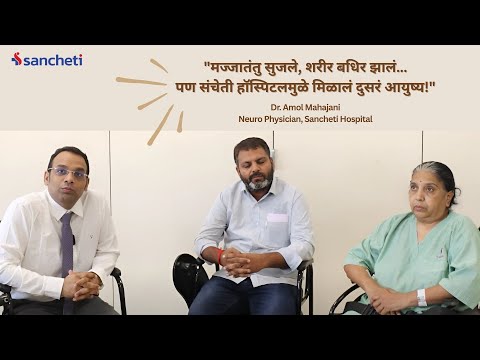
The nerves were swollen, and the body went numb. But thanks to Sancheti Hospital, I got a second life!
Parvati

I finally could walk again, a relief I've only felt after the hip pain surgery. I thank the doctors at Sancheti Hospital for their help.
Balaji Kharat

I'm a police officer, and I'm extremely thankful to Sancheti Hospital for treating my fracture without surgery.
Shantilal

My life has completely changed after the knee replacement surgery at Sancheti Hospital. It's like I can finally live again!
Kalpana Lepcha

The knee pain I've carried for years finally went away with the help of Sancheti Hospital.
Karuna

I can't believe that I get to finally live a normal and happy life, all thanks to the knee surgery I had at Sancheti Hospital.
Kishore Bhosle
Frequently Asked Questions
What is avascular necrosis (AVN)?
Avascular necrosis is a condition where bone tissue dies because it loses its blood supply. This can cause tiny breaks in the bone and eventually lead to bone collapse.
How quickly does avascular necrosis progress?
The progression varies greatly among individuals. Some cases develop over several months, while others may take 12-18 months or longer before significant damage occurs. Early diagnosis and treatment can help slow progression.
What are the most common causes of AVN?
The most common causes include traumatic injuries like bone fractures and joint dislocations, long-term use of high-dose corticosteroids, and excessive alcohol consumption.
Can AVN be treated without surgery?
While there’s no cure that fully restores bone to its original state, non-surgical treatments can help manage symptoms and slow progression in early stages. However, most patients eventually require some form of surgical treatment.
Which test is best for diagnosing AVN early?
MRI is considered the most sensitive and specific test for early diagnosis of avascular necrosis, often detecting changes not yet visible on X-rays.
Home
Patient Login
International patients
Contact Us
Emergency
Download Reports